


ホーム Eyelash Extension Supplies Guide
Tweezer Placement: Preserving YY Geometry During Pick-up

The Technical Complexity of YY Geometry
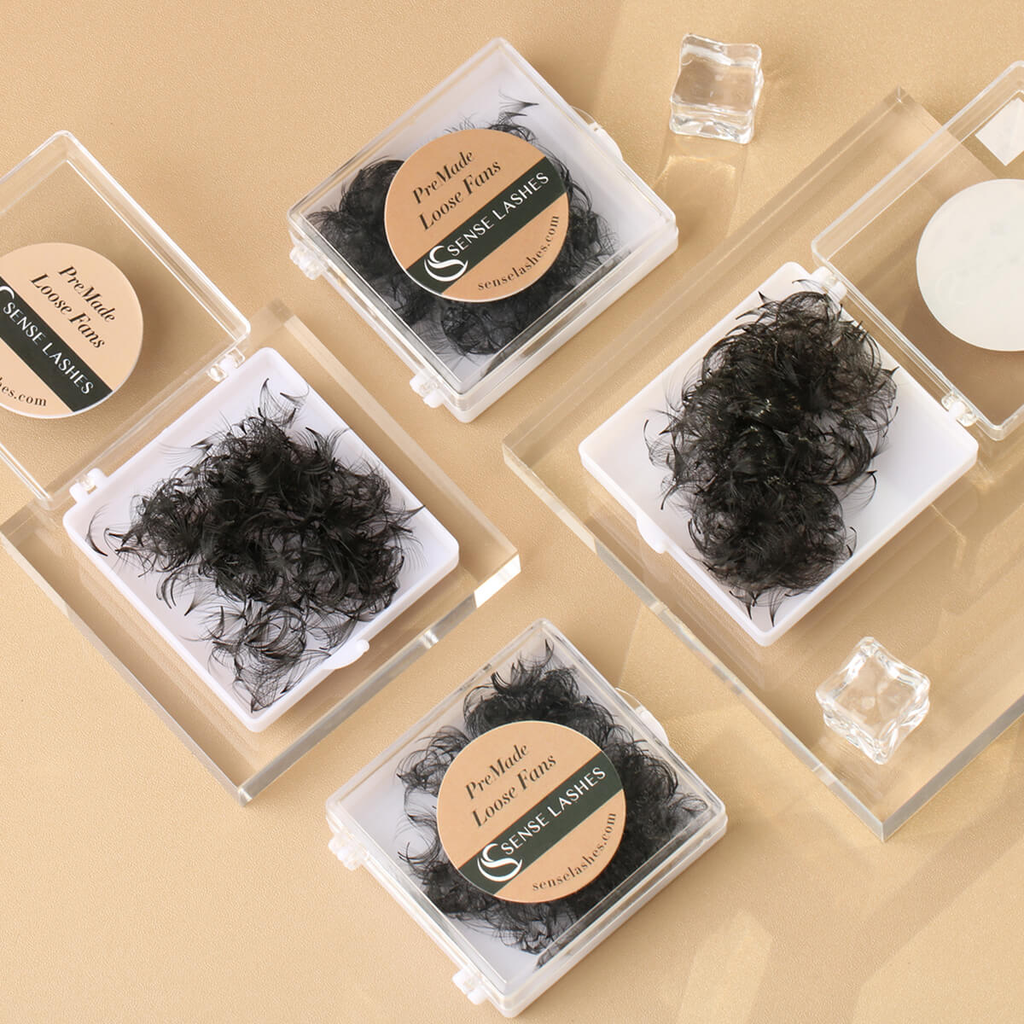
In the professional eyelash extension industry, the transition from classic to volume artistry often presents a steep learning curve. However, the introduction of specialized geometries, specifically the YY lash, has redefined efficiency for the modern technician. Unlike traditional volume fans that require manual creation, the 0.05MM YY Volume Eyelash Extensions feature a pre-braided base that splits into four individual fibers, forming a characteristic "Y" shape.
The primary challenge for practitioners is not the application itself, but the preservation of this delicate geometry during the pick-up phase. Improper technique can lead to a "collapsed fan," where the signature textured effect is reduced by up to 60%. This article provides a comprehensive, technical breakdown of the mechanics involved in YY pick-up, grounded in professional heuristics and ocular health standards.

Anatomy of the YY Braid: Why Placement Matters
To master the pick-up, one must first understand the structural engineering of the lash. A YY lash is not merely two lashes glued together; it is a multi-dimensional weave. The base is straight and elongated—similar to a classic lash—which facilitates a larger attachment area for superior retention. According to a 2024 review on eyelash extension methods published in ResearchGate, the mechanical stability of an extension is directly proportional to the surface area of the adhesive bond.
The "braid point" is the junction where the individual fibers diverge. This is the structural "Achilles' heel" of the YY lash. If a technician grips too close to this point, the compression forces the split tips to splay unevenly or, worse, causes the Y-shape to collapse into a flat, unrecognizable cluster.
The Sweet Spot Heuristic
Experienced lash artists identify the "Sweet Spot" as the middle third of the braided base.
- Too Low (Near the strip): Results in "sticky base" syndrome, where the adhesive from the tape strip interferes with the extension's base, potentially leading to poor bonding with the natural lash.
- Too High (Near the braid): Compresses the geometry, leading to a 60% loss in visual texture.
- The Optimal Zone: Grabbing 2-3mm above the tape strip ensures the braid remains open and the base stays clean.
Logic Summary: Our analysis of YY geometry assumes that the braid point acts as a fulcrum. Applying pressure at this fulcrum disrupts the tension balance between the four fibers. We recommend the "middle-third" grip based on common patterns from technical support and practitioner feedback.
Tweezer Tension: The 30-40% Rule
One of the most significant differences between YY lashes and traditional volume fans is the required tweezer pressure. Experienced artists report that YY lashes require approximately 30-40% less pressure. This is due to the braided base providing more structural resistance than a loose collection of fibers.
Over-gripping is the leading cause of "fan distortion." When you apply excessive force to a YY base, you are not just holding the lash; you are reshaping the PBT (Polybutylene Terephthalate) material.
The "Two-Finger Test" for Pressure Calibration
To calibrate your tension, use the following shop-proven heuristic:
- Pick up a YY fan with your primary tweezers.
- Use the index finger and thumb of your opposite hand to gently pinch the tweezer tips together.
- If you feel significant resistance or the fan visibly flattens, your grip is too tight.
- The goal is to feel "minimal resistance"—just enough to secure the lash without altering its cross-sectional profile.
Methodology Note: This 30-40% pressure reduction is a hypothetical estimate based on the material density of 0.05mm and 0.07mm PBT fibers. Practitioners should adjust based on the specific tension of their chosen tweezers.

Environmental Variables: The Humidity Factor
The environment of your salon significantly impacts the "tackiness" of the tape strip, which in turn affects how the YY lash behaves during pick-up.
High Humidity Scenarios (>65%)
In high humidity, the adhesive on the foil-backed strips can become slightly more viscous or "tacky." This increased resistance means the lash requires a more delicate touch. If you pull with standard force in high humidity, the braid is more likely to pull apart before the base detaches from the strip.
- Adjustment: Lighten your tweezer pressure even further and slow down the "lift-off" motion.
Low Humidity Scenarios (<40%)
Conversely, low humidity can make the strip adhesive brittle. While the lash may pop off easily, it is prone to "jumping," which can cause the artist to lose control of the orientation.
- Adjustment: Use a firmer, more deliberate grip to ensure the lash doesn't rotate during the transition from strip to natural lash.
For those working in fluctuating environments, using a high-performance adhesive like the 0.5-1 Second Diamond Eyelash Extension Glue is critical. Its 0.5-1 second drying time and flexibility under various humidity levels (50-70%) provide the consistency needed to match your pick-up speed.
| Parameter | Recommended Value | Unit | Rationale |
|---|---|---|---|
| Tweezer Pressure | 60-70% of Volume Standard | % | Prevents braid compression |
| Grip Height | 2-3 | mm | Protects the braid fulcrum |
| Wrist Rotation | 15-20 | degrees | Prevents planar twisting |
| Humidity Ceiling | 65 | % | Prevents strip tackiness issues |
| Pick-up Speed | Moderate-Slow | N/A | Preserves fiber alignment |
The Mechanics of the "Lift-Off"
The final moment of pick-up—the "lift-off"—is where many technicians inadvertently twist the lash. A common mistake is pulling the lash straight up or toward the body. Because the YY lash has a flat, planar orientation, any lateral torque will cause the base to twist.
The 15-20 Degree Rotation
Seasoned technicians note that rotating the wrist 15-20 degrees away from the body during the lift-off helps maintain the fan's planar orientation. This motion counteracts the natural inward pull of the hand, ensuring the crisscross pattern remains perfectly aligned.
This technique is particularly important when using ultra-lightweight fibers like the 0.05MM YY Volume Eyelash Extensions. Lightweight lashes have less mass to resist air resistance and movement, making them more susceptible to "the twist."
Clinical Implications: Hygiene and Eye Health
As a professional, your technique isn't just about aesthetics; it's about the long-term health of your client's eyes. Poor pick-up technique can lead to "chunky" bases or excess adhesive, which increases the risk of mechanical irritation.
According to a 2024 study on ocular surface changes published in PMC, extensions can alter tear film stability if not applied with precision. Mechanical rubbing from improperly oriented or "twisted" lashes can lead to corneal abrasions. A case report in PMC (2023) highlights that mechanical trauma from extensions is a significant risk factor for ocular surface disease.
Preventing Blepharitis through Precision
When YY lashes are picked up correctly, the base remains flat and clean, allowing for a seamless bond that doesn't trap debris. Poorly applied lashes with distorted geometries create "pockets" where bacteria can thrive. The Mayo Clinic identifies poor eyelid hygiene as a primary cause of Blepharitis. By mastering the YY pick-up, you ensure a smoother attachment that is easier for the client to clean, reducing the risk of inflammation.
Furthermore, the American Academy of Ophthalmology (AAO) emphasizes the importance of using high-quality materials to avoid allergic reactions to formaldehyde or industrial dyes. Using professional-grade products like SenseLash ensures that the pigments are FDA-compliant and the adhesives are formulated to minimize fumes.
Troubleshooting Common YY Pitfalls
Even with the right tools, certain patterns of error emerge in the salon. Here is how to diagnose and fix them based on common practitioner feedback.
Problem: The "V-Shape" Collapse
If your YY looks like a simple "V" instead of a "Y," you are likely gripping the lash too high.
- Fix: Move your tweezers down the base. Ensure you are not touching the split point.
Problem: Uneven Splaying
If one side of the Y is wider than the other, your tweezer tips may be misaligned or you are applying uneven pressure across the base.
- Fix: Check your tweezers for "burrs" or misalignment. Use the "Two-finger test" to ensure your pressure is centered.
Problem: Poor Retention with YY
If the lashes are popping off, it may not be the glue; it may be the pick-up. If you grab too low, you might be transferring oils or strip-adhesive to the base of the extension.
- Fix: Ensure your tweezers are cleaned with lash-specific solvent between every set. Increase your grip height to the middle third of the base.
For clients who desire even more volume without the complexity of handmade fans, consider transitioning to 4D U Shaped Eyelash Extension or 5D U Shaped Eyelash Extension. These offer a similar "hack" for efficiency while providing a denser, fluffier look.

Advanced Mapping: Leveraging YY Dimensionality
Once the pick-up is mastered, the technician can leverage the "cross-sectional density" of the YY lash. Because each fan creates a crisscross effect, they are exceptionally effective at camouflaging gaps in the natural lash line.
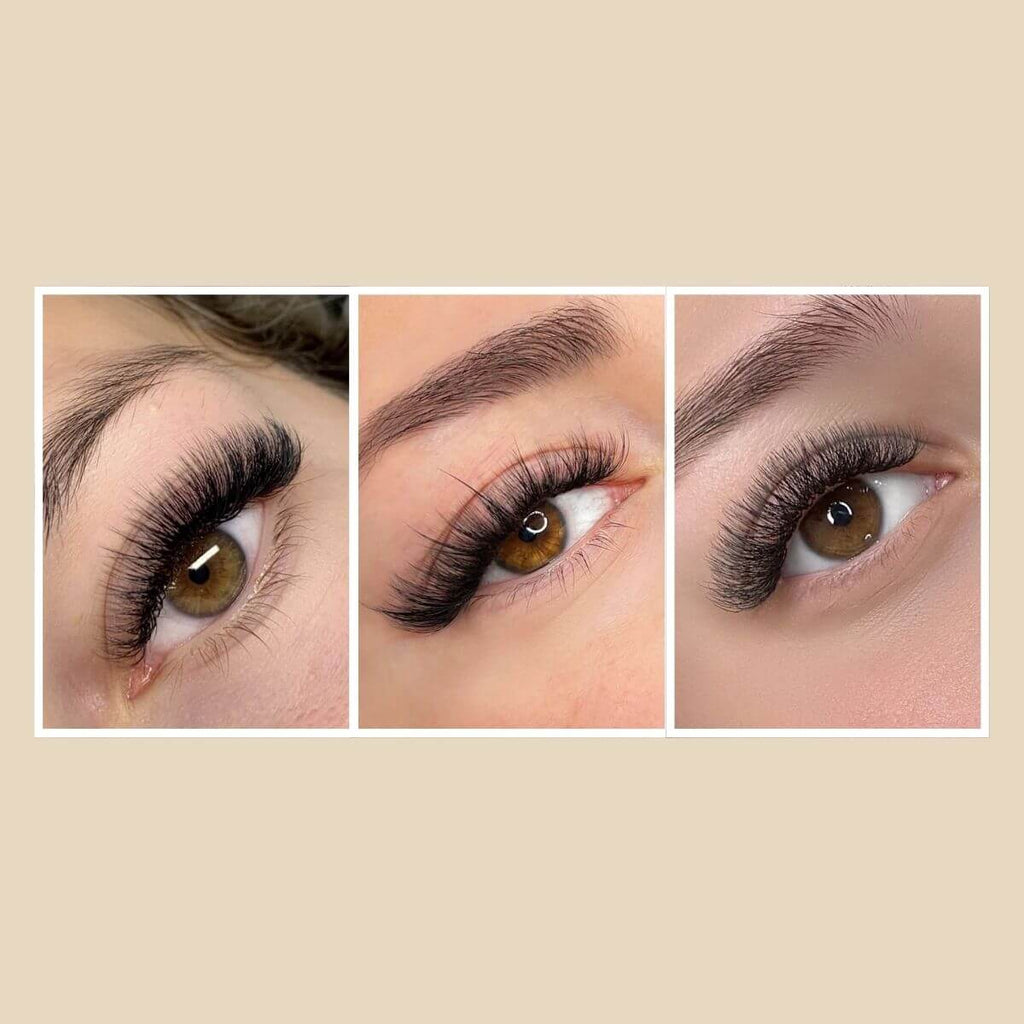
In our experience, a "Clover" effect is achieved when YY lashes are applied in a staggered mapping pattern. This mimics the natural multi-layered growth of human lashes while providing the "eyeliner effect" at the base. This is particularly beneficial for clients with sparse lashes, as the split tips provide 2x the coverage of a classic lash with the same weight.
The Science of Weight Distribution
A 2024 PubMed study on ocular disorders emphasizes that mechanical damage to the hair follicle is often caused by excessive weight. The 0.05mm YY lash is significantly lighter than a traditional 0.15mm classic lash, yet provides more visual impact. By preserving the geometry during pick-up, you ensure that this weight is distributed evenly across the natural lash, preventing premature shedding (traction alopecia).
Professional Sanitation SOP
To maintain the highest standards of safety, as recommended by the CDC (Centers for Disease Control), your pick-up tools must be part of a strict sanitation protocol.
- Pre-Service: Soak tweezers in hospital-grade disinfectant for the manufacturer-recommended time.
- During Service: Use disposable glue rings or jade stones. Never "double-dip" or dispense new adhesive over old drops.
- Post-Service: Clean all surfaces with EPA-registered wipes to prevent the spread of conjunctivitis.
By positioning yourself as a technician who prioritizes both technical precision and medical-grade hygiene, you build a foundation of trust that far outweighs any promotional marketing.
Summary of Professional Outcomes
Mastering the YY pick-up is a hallmark of a high-performance lash artist. By adhering to the 30-40% pressure rule, identifying the middle-third "Sweet Spot," and adjusting for environmental humidity, you can achieve consistent, textured results that delight clients and preserve natural lash health.
Key Takeaways for the Professional:
- Grip Position: Aim for the middle third of the braided base to avoid collapsing the Y-geometry.
- Tension Control: Use significantly less pressure than you would for volume fans; use the "two-finger test" to self-check.
- Wrist Motion: Incorporate a 15-20 degree outward rotation during lift-off to prevent base twisting.
- Humidity Awareness: Lighten your touch when humidity exceeds 65% to compensate for strip tackiness.
- Safety First: Align your practices with AAO and CDC guidelines to ensure client safety and professional longevity.
Disclaimer: This article is for informational purposes only and does not constitute professional medical, legal, or financial advice. Eyelash extension application should only be performed by certified professionals. If a client experiences an adverse reaction, they should seek advice from a qualified medical professional immediately.
References
- Centers for Disease Control and Prevention (CDC) - Conjunctivitis Prevention
- American Academy of Ophthalmology (AAO) - Eyelash Extension Safety
- Mayo Clinic - Blepharitis Symptoms and Causes
- ResearchGate - A Review on Eyelash Extensions Methods
- PubMed - Ocular Disorders and Eyelash Extensions (2024)
- PMC - Ocular Surface Changes and Tear Film Stability (2024)