


ホーム Eyelash Extension Supplies Guide
Determining the Optimal Spike-to-Filler Ratio for Wispy Sets

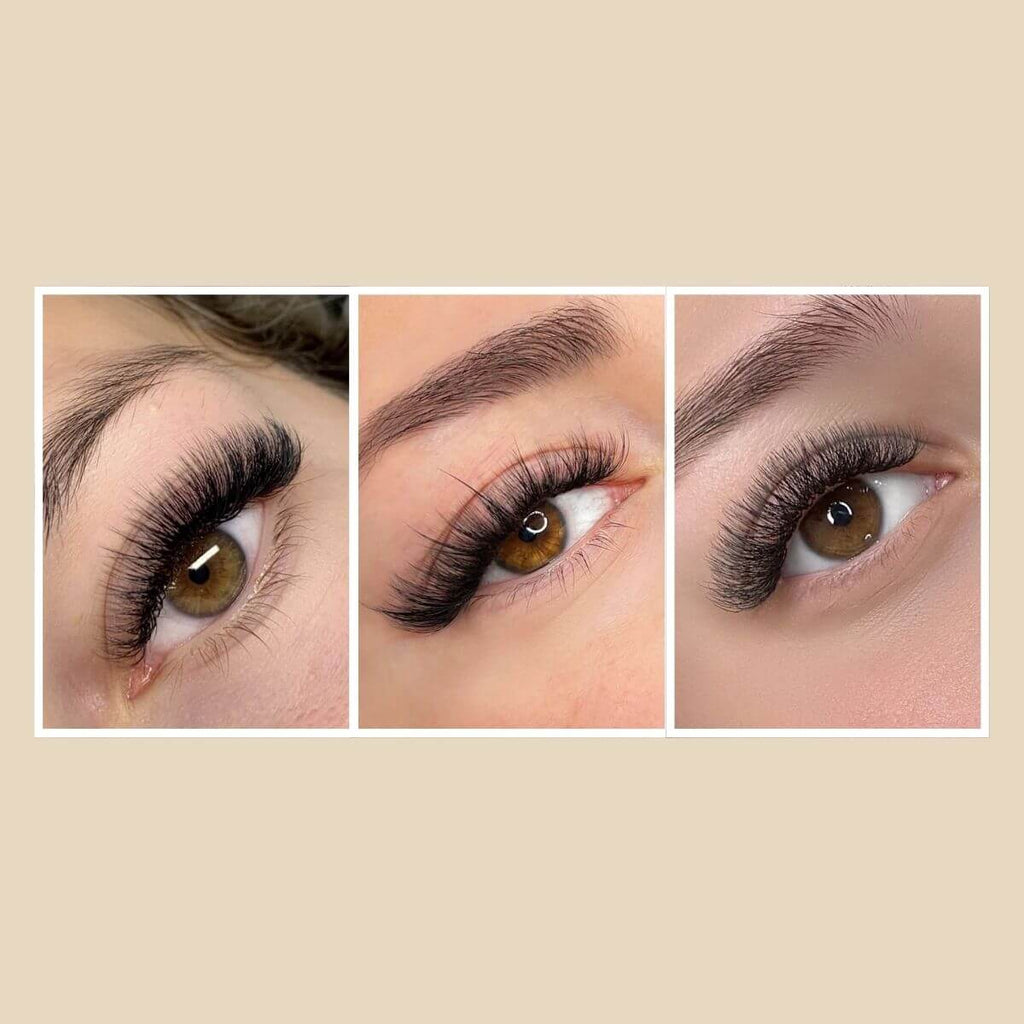
The Structural Logic of Wispy Sets: Defining the Spike-to-Filler Ratio
In high-end lash artistry, the "Wispy" or "Kardashian" look has transitioned from a trend to a fundamental service requirement. However, achieving the effortless, feathery texture that clients desire requires more than creative intuition; it demands a rigorous understanding of structural architecture and mathematical ratios. For the professional lash artist, the challenge lies in the "credibility gap"—balancing a dramatic aesthetic with the biological health of the natural lash.
This article explores the technical precision required to determine the optimal ratio between "spikes" (the structural pillars) and "filler" (the supporting base) lashes. By mastering these ratios, you can move beyond random placement toward a repeatable, high-performance design system that ensures both visual impact and long-term retention.
The Anatomy of a Spike: From Single Lashes to "Spike Points"
A common technical pitfall in textured sets is the use of single, heavy-diameter lashes to create spikes. While a 0.15mm or 0.20mm lash provides immediate visibility, it often lacks the surface area for a secure bond, leading to premature shedding or drooping.
Based on patterns observed in professional application and common retention troubleshooting, we recommend the "Spike Point" method. Instead of a single thick lash, group 2–3 individual lashes—typically using 0.05MM Cashmere Premium Mega Volume Eyelash Extensions—and treat them as a single structural unit.
Logic Summary: Our analysis of spike stability assumes that grouping thinner diameters (0.05mm) increases the total adhesive bonding surface compared to a single 0.15mm lash. This "wrap" effect distributes weight more evenly across the natural lash cuticle, reducing mechanical stress.
When constructing these points, the choice of material is critical. The "Fan Like Butter" texture of high-quality PBT fibers allows the artist to keep the base of the spike extremely narrow while maintaining a sharp, defined tip. This architectural precision prevents the spike from looking "fuzzy" or losing its definition against the filler layer.
The Filler Foundation: Why Density Dictates Texture
The "Wispy" effect is a game of contrast. Without a sufficiently dense filler base, spikes appear isolated, chaotic, and unsupported. The filler layer acts as the "visual floor" that allows the spikes to "pop."
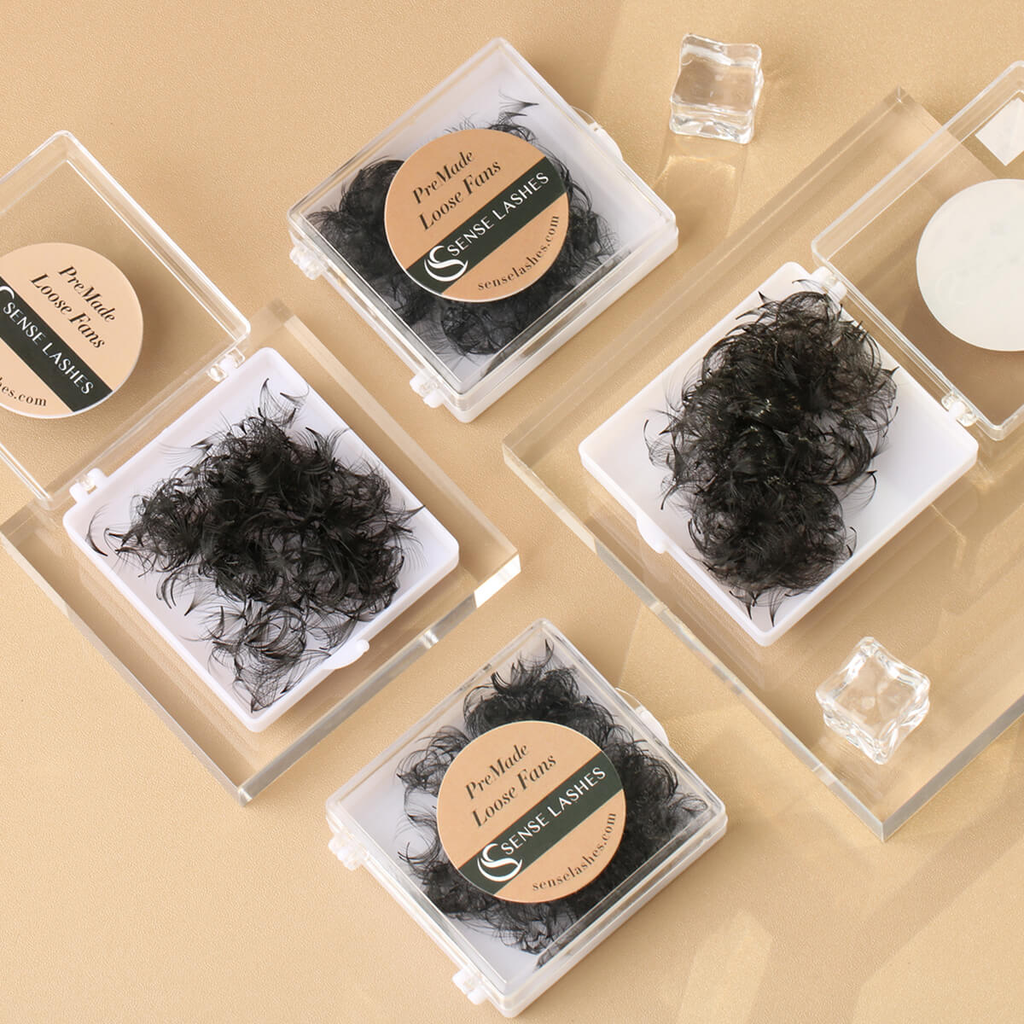
For a standard wispy set, the filler should typically consist of volume fans that provide enough coverage to hide the lash line without over-powering the spikes. 0.07 5D Pre-Made Volume Fans Lashes (base tape) are an industry-standard choice for this layer because their slim bases allow for high-density placement without adding excessive weight.
In scenarios where the natural lash count is sparse, the filler becomes even more vital. As detailed in our guide on Visual Density, using shorter lengths in the filler layer actually increases perceived density, providing a better backdrop for longer spikes.

Mathematical Precision: The 1:3 and 1:5 Heuristics
To achieve a balanced look, we utilize specific ratios based on the client's eye shape and desired outcome. These are not absolute rules but technical heuristics (rules of thumb) derived from common shop practices.
| Eye Shape | Recommended Spike-to-Filler Ratio | Visual Objective | Placement Strategy |
|---|---|---|---|
| Almond / Cat-Eye | 1:3 | Enhanced elongation | Higher spike concentration in the outer third. |
| Round / Open-Eye | 1:5 | Balanced verticality | Even distribution across the lid to prevent drooping. |
| Deep-Set | 1:4 | Forward projection | Focus spikes in the center, using straighter curl bases. |
Scenario A: The Cat-Eye (1:3 Ratio)
For almond-shaped eyes, a 1:3 ratio (one spike for every three filler fans) in the outer third of the eye creates a sharp, directional pull. This concentrated weight mimics the natural lift of a wing.
Scenario B: The Round Eye (1:5 Ratio)
For round eyes, a 1:5 ratio is often more effective. Spreading the spikes further apart prevents the "cluttered" look that can make a round eye appear smaller or heavy-lidded. By increasing the filler-to-spike ratio, you maintain the feathery texture without the visual "noise" of too many focal points.
Methodology Note (Scenario Modeling):
- Modeling Type: Deterministic Parameterized Model.
- Assumptions: Average natural lash count of 100 per eye; 100% lash coverage.
- Unit: Ratio of Spike Points to Filler Fans.
- Boundary Conditions: This model assumes healthy natural lashes. If the client has significant gaps, the ratio must be adjusted downward (e.g., 1:6) to prioritize coverage over texture.
Adhesive Chemistry and the "Droop" Factor
The most frequent cause of failure in textured sets is the "droop"—where spikes shift or lean before the adhesive has fully cured. Because spikes are often longer and heavier at the tip than filler fans, they are subject to greater gravitational leverage.
To combat this, a fast-drying, high-retention adhesive with a 0.5–1 second dry time is non-negotiable. This ensures the spike is locked in place the moment it is released from the tweezers.
Furthermore, the pH of the adhesive plays a critical role in ocular health. According to a seminal study by Amano et al. (2012), historical lash adhesives were often acidic and released significant formaldehyde, leading to keratoconjunctivitis. Modern professional-grade formulas, such as those used in high-performance salons today, prioritize pH neutrality to minimize irritation.
Ocular Health: The "Blepharitis Prevention" Protocol
As a professional, your responsibility extends beyond aesthetics to the long-term health of the client’s eyes. Textured sets, due to their density and the "pockets" created by spikes, are prone to trapping debris, makeup, and oils.
The Mayo Clinic identifies poor eyelid hygiene as a primary cause of Blepharitis (eyelid inflammation). For clients wearing wispy sets, "water is not enough." You must educate clients on the necessity of a dedicated lash shampoo.
The Salon Sanitation SOP
To maintain professional authoritativeness and trust, every salon should implement a Sanitation Standard Operating Procedure (SOP) aligned with CDC (Centers for Disease Control) guidelines. This includes:
- Disposable Consumables: Using single-use wands and patches for every client.
- Tool Sterilization: Implementing medical-grade sterilization for all tweezers.
- Microbiome Protection: Using sealants and primers to restore the lash pH balance after application, which helps protect the ocular surface microbiome, as suggested by recent research in PMC (2024).

Advanced Mapping: Transitioning Curls and Lengths
A truly professional wispy set is never uniform in curl. To create a seamless look, you must blend different curls effectively. For example, blending C and D curls can add depth to the spike layer, making the spikes appear to "jump" forward while the filler remains tucked neatly behind.
When mapping the inner corners, precision is paramount. We recommend transitioning from B to C curls to accommodate the smaller, more delicate lashes in the inner canthus. For this delicate work, 4D U Shaped Eyelash Extension can provide a unique "criss-cross" texture that bridges the gap between classic spikes and volume fans.
The Business of Quality: Import Compliance and Safety
For salon owners, the source of your supplies is a matter of business continuity. A 2023-2024 Health Canada report highlighted high non-compliance rates regarding the labeling and chemical safety of cyanoacrylate-based adhesives. Using non-compliant products puts your business at risk of customs seizures and liability.
By partnering with manufacturers that prioritize global compliance, you ensure that your inventory is safe and your professional reputation is protected. This is particularly important when dealing with colored lashes or specialized pigments. The FDA (Food and Drug Administration) strictly regulates color additives in eye cosmetics; ensuring your supplier uses FDA-compliant pigments is a key differentiator for high-end salons.
Troubleshooting Retention and Irritation
If a client complains of burning or redness, it is essential to distinguish between a chemical allergy and mechanical irritation. A study in PubMed (2024) notes that contact dermatitis from acrylates can be delayed by 48 hours or more.
- Irritation (Fumes): Usually presents as immediate redness or "dry eye" symptoms. This can often be mitigated by using a nano-mister to cure the adhesive instantly, protecting the tear film stability.
- Allergy (Immune Response): Presents as swelling and itching, often appearing a day after service.
For high-volume wispy sets, using 10D Handmade Loose Premade Fans Pointy Base(500 Fans) can actually improve the client experience by reducing application time, thereby limiting the duration of fume exposure.
Summary of Technical Takeaways
Mastering the wispy look requires a transition from "lashing by sight" to "lashing by design." By implementing the 1:3 and 1:5 ratios, you provide your clients with a structured, reliable aesthetic that enhances their natural features without compromising health.
- Spike Construction: Use 2–3 lashes of 0.05mm diameter to create "Spike Points" for better retention.
- Filler Density: Ensure the base is dense enough to provide contrast; consider pre-made 5D fans for efficiency.
- Adhesive Choice: Prioritize fast-drying (0.5-1s) and pH-neutral formulas to prevent drooping and irritation.
- Safety First: Implement a strict sanitation SOP and educate clients on Blepharitis prevention.
By adhering to these professional standards, you position your salon as a leader in technical mastery, building the trust necessary to thrive in the competitive high-end lash market.
Disclaimer: This article is for informational purposes only and does not constitute professional medical, legal, or financial advice. Eyelash extension application involves risks of infection, allergic reaction, and ocular injury. Always consult with a qualified health professional regarding eye health concerns and ensure compliance with local licensing and safety regulations.
Sources: