


ホーム Eyelash Extension Supplies Guide
Mixing L-Curl Spikes into C-Curl Sets for Edgy Texture

The Structural Logic of Wispy & Spiky Lash Architecture
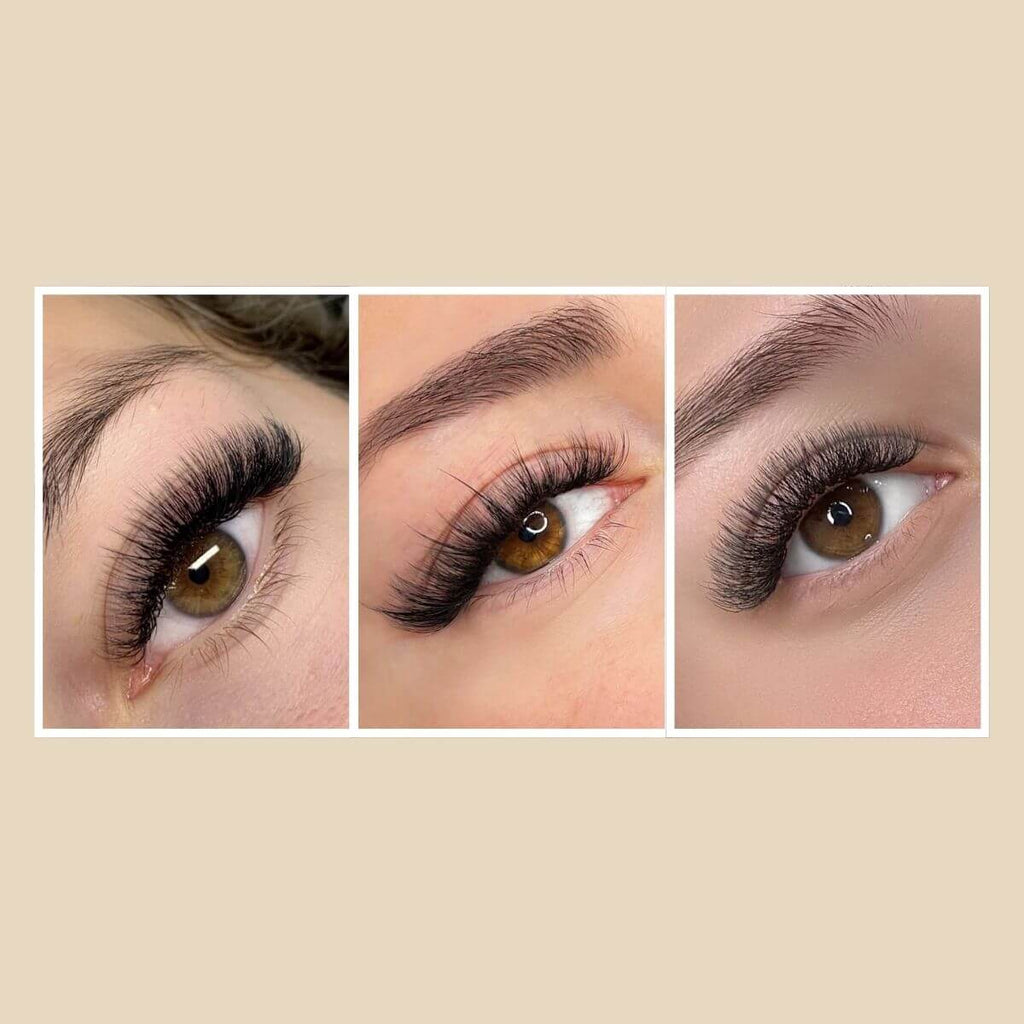
In the evolving landscape of professional lash artistry, the "uniform" volume set is increasingly viewed as a baseline rather than a benchmark. Modern high-fashion aesthetics—popularized by the "Kim K" or "Kardashian" look—rely on a sophisticated interplay of texture, depth, and intentional irregularity. Achieving this requires a mastery of "Wispy & Spiky Structural Architecture," a technique that anchors sharp, defined spikes within a softer, voluminous base.
The most effective way to achieve this edgy texture is by mixing radically different curl profiles: the soft, rounded C-curl and the sharp, geometric L-curl. While C-curls provide the classic, feminine lift that mimics the natural lash's curvature, L-curls offer a flat base and a sudden, sharp upward flick. When these two are blended correctly, the result is a multi-dimensional set that appears both dense and strikingly defined.
The 2mm Heuristic: Preventing "Spike Absorption"
The most frequent technical error when mixing these curls is the "disappearing spike." Because L-curls have a flat base before they angle upward, they can easily become "lost" inside the dense canopy of a C-curl base if the lengths are too similar.
Based on common patterns observed in high-volume salon environments, we recommend a +2mm Length Heuristic. This means your L-curl spikes should be at least 2mm longer than the surrounding C-curl fans in any given zone. For example, if your base layer in the middle of the eye consists of 10mm C-curls, your L-curl spikes must be 12mm to maintain visual separation.
Logic Summary: The +2mm rule is a shop-practical baseline. It accounts for the "curl-back" factor where a C-curl appears shorter because of its tighter radius, whereas the L-curl projects further outward before lifting. This ensures the spike remains the focal point of the texture.

Technical Mapping: The Ratio of Texture
Creating a balanced textured set is not about random placement; it is about mathematical distribution. To avoid a "clumpy" or messy appearance, artists should follow a specific ratio of spikes to base fans.
A highly effective ratio for a balanced, edgy look is roughly 1 L-curl spike for every 5 to 7 C-curl base fans. This density provides enough texture to be noticeable under professional lighting without overwhelming the natural lash line or creating excessive weight.
Mapping for Hooded and Deep-Set Eyes
The placement of spikes must adapt to the client's ocular anatomy. For clients with hooded eyes, the sharpest L-curl spikes should be placed at the peak of the hood, following its natural arch. This creates a "lifted lid" illusion, counteracting the heavy appearance of the brow bone.
Conversely, for deep-set eyes, the base layer should utilize straighter curl bases to prevent the extensions from hitting the brow bone. You can learn more about this in our guide on Why Deep-Set Eyes Require Straighter Curl Bases.
| Parameter | Recommended Value | Unit | Rationale |
|---|---|---|---|
| Spike-to-Base Ratio | 1:5 to 1:7 | Count | Balances "wispy" texture with base density |
| Length Delta | +2 | mm | Ensures spikes clear the base layer canopy |
| Base Adhesive Dry Time | 1-2 | seconds | Allows for micro-adjustments of fan placement |
| Spike Adhesive Dry Time | 0.5-1 | seconds | Prevents long spikes from leaning or shifting |
| Spike Weight | 0.03 - 0.07 | mm | Minimizes mechanical stress on natural lashes |
Adhesive Engineering: Managing Stress Points and Retention
Mixing C and L curls introduces varied stress points on the natural lash. The flat base of an L-curl offers a larger surface area for bonding, but the sharp angle creates more leverage (torque) at the tip. If the adhesive bond isn't perfect, the weight of the spike can cause the natural lash to twist or droop.
The Dual-Viscosity Strategy
Experienced artists often use two different adhesives during a single set to optimize retention. For the base C-curls, a slightly more viscous adhesive with a 1-2 second dry time, such as the 1-2 Second Gold Eyelash Extension Glue, is ideal. This allows the artist to "wrap" the fan around the natural lash, ensuring a 360-degree bond.
For the L-curl spikes, an ultra-fast adhesive (0.5-1 second) is preferred. Because spikes are longer and heavier, they are prone to "leaning" if the glue doesn't set instantly. The base layer must be completely dry before you begin adding spikes; otherwise, the weight of wet adhesive can drag the entire structure down, leading to poor aesthetics and potential mechanical damage.
Chemical Safety and pH Balancing
The chemistry of your adhesive is as important as your technique. According to a landmark study by Amano et al. (2012), older generations of lash glues were often acidic and released high levels of formaldehyde, leading to keratoconjunctivitis. Modern professional formulas, like those in the SenseLashes line, are engineered to be pH-neutral to minimize irritation.
Furthermore, a 2024 study published in PMC (Ocular Surface Disease) highlights that long-term extension wear can alter the ocular surface microbiome. To mitigate this, we recommend using a lash primer to restore pH balance and an aftercare sealant to protect the lash cuticle and the surrounding microbiome.
Essential Products for Textured Sets
To execute these advanced mappings, the quality of the "raw materials" is non-negotiable.
- For the Base Layer: Use 0.05MM Easy Fanning Eyelash Extensions. These are specifically designed for rapid volume building. The unique sticky strip prevents mega volume fans from separating at the base, which is crucial when you need to maintain a clean foundation for your spikes.
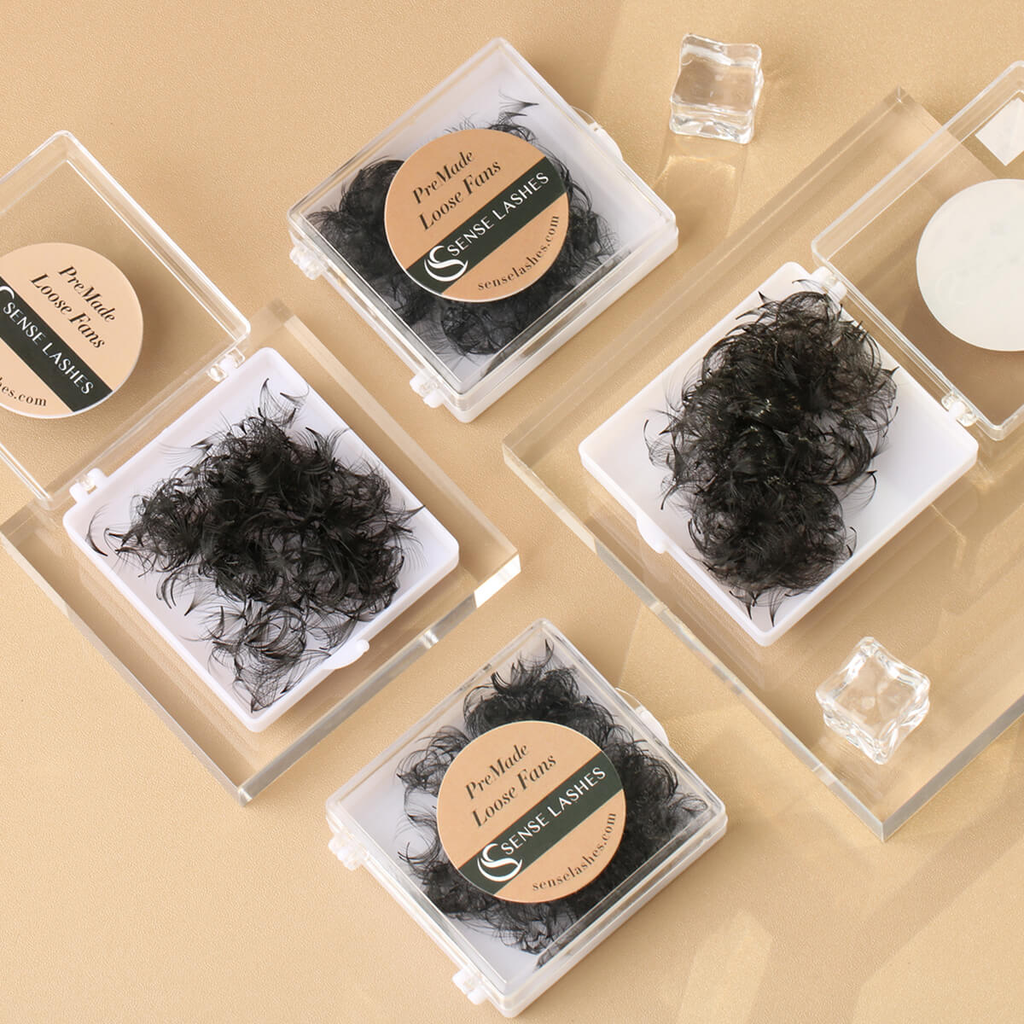
- For High-Speed Efficiency: If you are managing a high-traffic salon, 12D Handmade Loose Premade Fans Pointy Base(500 Fans) allow you to create a dense, "pointy base" foundation that mimics the look of hand-made fans while saving significant time.
- For the Spikes: The 0.07mm Cashmere Volume Wispy Eyelash Extensions are the gold standard for creating the "Kim K" look. Each cluster consists of 5 lashes held together at the tip, providing the perfect "wet look" spike without the need for manual pinching.

Salon Sanitation SOP: Validating the Professional Standard
As a professional, your authority is built on more than just aesthetics; it is built on safety. The CDC (Centers for Disease Control) provides clear guidelines on preventing the spread of conjunctivitis (pink eye) through strict hygiene. In a lash salon, this means every consumable—from wands to eye patches—must be disposable or sterilized.
Preventing Blepharitis
One of the most common complaints in the lash industry is eyelid inflammation, or Blepharitis. According to the Mayo Clinic, this condition is often caused by bacteria buildup at the base of the eyelashes.
Many clients mistakenly believe that they should not get their lashes wet. As a professional, you must educate them: Water is not enough. Daily washing with a specialized lash foam cleanser is non-negotiable. This prevents the buildup of oils and debris that lead to Demodex mite infestations, which thrive in the "dirty" environment of unwashed extensions.
Troubleshooting Client Reactions
When a client complains of burning or redness, it is often a race to blame the glue. However, a professional should use a diagnostic approach. According to WebMD (Dry Eyes), lash fumes can exacerbate pre-existing dry eye syndrome, which is often confused with an allergic reaction.
If the reaction is a true allergy, it is likely caused by Ethyl Cyanoacrylate. A 2024 study in PubMed emphasizes that contact dermatitis patterns from acrylates can be delayed by 48 hours or more. Implementing a strict patch test protocol and using a Client Safety Consent Form (as advised by the American Academy of Ophthalmology) protects both the client's health and the salon's reputation.
The 2025 Lash Business Landscape
The demand for specialized lash services is not slowing down. Grand View Research indicates a robust CAGR in the lash industry, with a significant shift toward individual and volume extensions over traditional strips.
For salon owners, this means that "offering lashes" is no longer enough. To capture the high-value segment of the market, you must offer artistry. Textured sets using C and L curl combinations represent the pinnacle of this artistry. By positioning your salon as a specialist in "Wispy & Spiky" design, you differentiate your brand from low-cost competitors.
Import Compliance and Quality Assurance
For global distributors and large salon groups, inventory safety is a major concern. A 2023-2024 Health Canada Enforcement Report revealed high non-compliance rates regarding the labeling of cyanoacrylate-based adhesives. Using a factory-direct supplier like SenseLashes ensures that your products meet international safety standards, preventing costly customs seizures and protecting your clients from industrial-grade dyes or toxic pigments.
Mastering the "Wispy" Transition
Transitioning between curls requires a deep understanding of lash layers. The natural lash line is not a single row; it consists of 3 to 5 layers.
- Bottom Layer: Apply your shortest C-curls here to create a dark, dense "eyeliner" effect.
- Middle Layer: This is where you build your volume fans (C or CC curls).
- Top Layer: This is the "Spike Zone." Place your L-curl spikes here. Because they sit on the top layer, they will naturally stand out more against the base.
For a more detailed breakdown of this layering technique, refer to our article on Wispy Lash Layering Secrets.
Troubleshooting Mechanical Damage
Using heavy spikes on weak natural lashes can cause mechanical damage. A 2024 study in PubMed (Ocular Disorders) emphasizes that the spectrum of disorders caused by extensions is often linked to the weight-to-strength ratio of the application. This is why we advocate for 0.03mm or 0.05mm lashes for volume fans and spikes. These lightweight options provide the visual impact of a thick set without the "traction alopecia" risk associated with traditional 0.15mm lashes.
Methodology Note (Modeling Parameters): Our texture mapping models assume a standard healthy natural lash (Stage: Anagen/Catagen mix).
| Variable | Value | Unit | Assumption | | :--- | :--- | :--- | :--- | | Natural Lash Length | 8 - 10 | mm | Average Asian/Caucasian baseline | | Extension Weight Limit | 0.07 | mm | Max diameter for safe spike clusters | | Bonding Area | 2 - 3 | mm | Minimum overlap for L-curl flat base | | Room Temperature | 18 - 25 | °C | Optimal for Gold Glue polymerization | | Humidity | 55 | % | Mid-range for consistent dry times |
Summary of Professional Outcomes
Mixing L-curl spikes into C-curl sets is more than a trend; it is a technical demonstration of an artist's ability to manipulate geometry and chemistry. By following the +2mm Heuristic, managing adhesive viscosity, and adhering to medical-grade sanitation protocols, you elevate your service from a cosmetic application to a professional beauty treatment.
Key Takeaways for the Professional Artist:
- Contrast is King: Use the geometric difference between C and L curls to create "high-fashion" texture.
- Safety First: Align your salon SOPs with CDC and AAO guidelines to prevent infection and inflammation.
- Product Precision: Use specialized tools like 0.07mm Cashmere Volume Wispy Eyelash Extensions to ensure consistent, repeatable results.
- Educate the Client: Position lash aftercare as "Blepharitis Prevention" to increase retail sales of lash shampoo and improve long-term retention.
Disclaimer: This article is for informational purposes only and does not constitute professional medical or legal advice. Eyelash extension application should only be performed by qualified, licensed professionals. If a client experiences an adverse reaction, they should consult a medical professional immediately.
References
- CDC - Conjunctivitis Prevention
- Mayo Clinic - Blepharitis Symptoms & Causes
- American Academy of Ophthalmology - Eyelash Extension Safety
- Health Canada - Cosmetic Regulations Enforcement Report
- PubMed - Formaldehyde and pH in Lash Adhesives (Amano et al. 2012)
- Grand View Research - False Eyelashes Market Analysis