


Individual Lash Extensions Explained: What Lash Artists Should Know Before Offering Them

Individual lash extensions are applied by isolating a single natural lash before attaching one extension or fan, enabling precise control over styling, weight, and placement across different lash designs.
Individual lash extensions are defined by precision, not one fixed style. Each suitable natural lash is isolated before receiving one extension or one lightweight fan. This method supports classic, hybrid, volume, and customized designs. For lash artists, the service requires strong isolation, controlled adhesive use, safe weight selection, and clear client education.
What Are Individual Lash Extensions?
Individual lash extensions are applied to separate natural lashes rather than across the entire lash line.
Isolation means separating one natural lash from every surrounding lash. The artist then attaches one extension or one fan to that isolated lash.
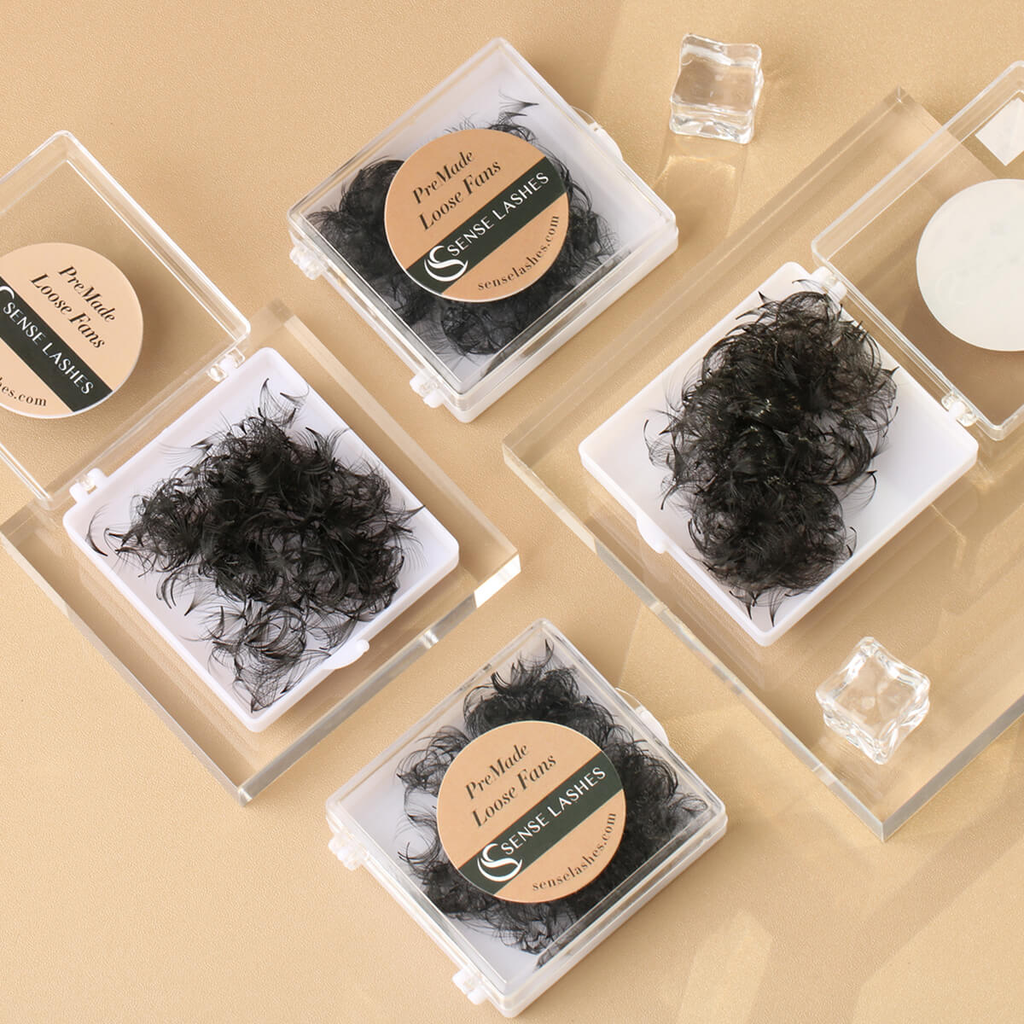
A fan is a group of fine extensions joined at one base. It may be handmade during the service or prepared before the appointment.
The word “individual” describes the application method. It does not describe one finished style.
Individual application can support:
- One extension on one natural lash
- One volume fan on one natural lash
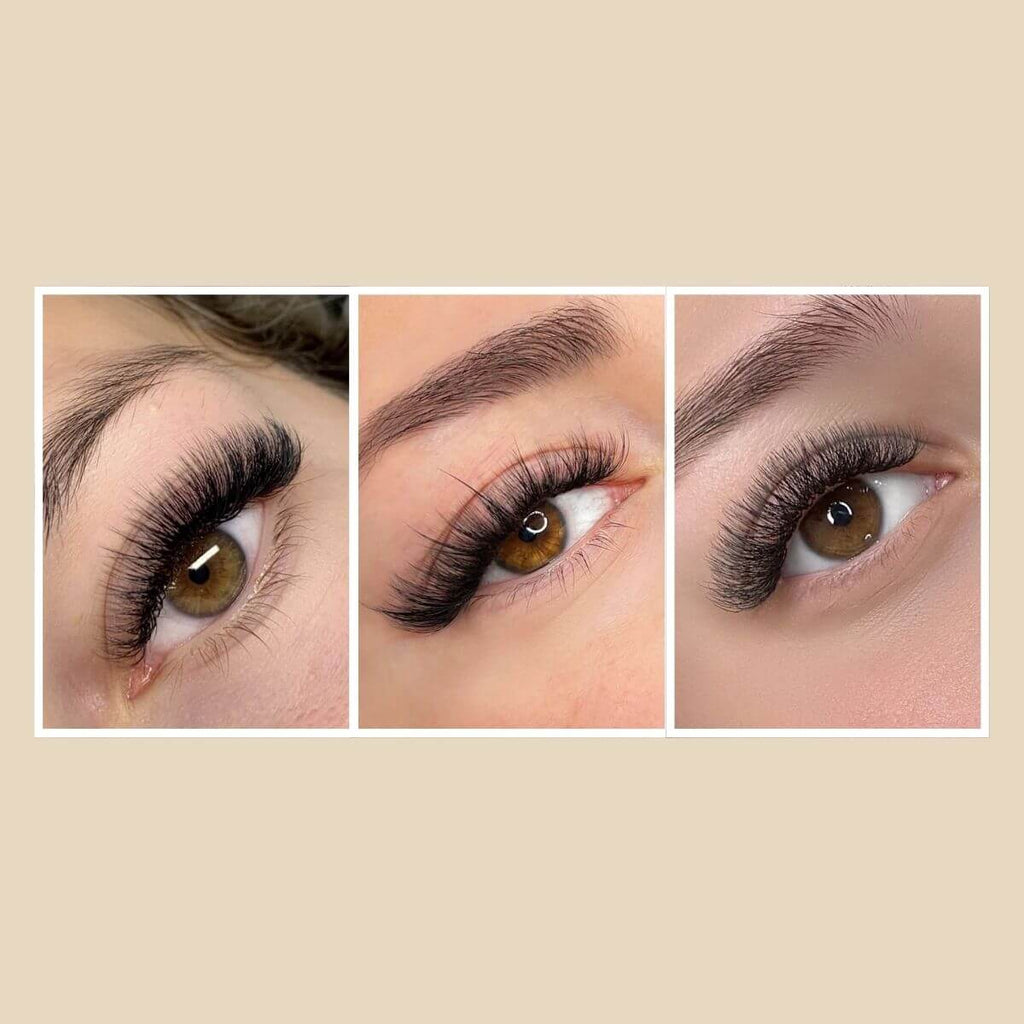
- Classic, hybrid, volume, or wispy styling
- Different curls and lengths across the lash line
- Customized correction for uneven lash growth
Some temporary lash products are also marketed as individual lashes. However, the packaging name does not define the professional method.
Lash artists should examine how the fibers attach. Professional individual application requires complete isolation and controlled placement on a suitable natural lash.
Individual Lash Extensions vs Clusters and Strip Lashes
Individual extensions, clusters, and strip lashes create different service experiences. Their attachment methods also affect maintenance, customization, and removal.
Application and Wear Differences
Individual eyelash extensions are attached to isolated natural lashes. They remain part of a maintained service and require scheduled fills.
A fill is an appointment that replaces extensions lost through the natural lash cycle. The lash cycle is the normal pattern of growth, rest, and shedding.
Clusters contain several fibers connected at one base. They may cover more than one natural lash, depending on the application method.
Strip lashes sit on a flexible band. The band is placed along the lash line and is usually intended for temporary wear.

The table below summarizes the main professional differences.
| Factor | Individual Extensions | Lash Clusters | Strip Lashes |
|---|---|---|---|
| Attachment | One isolated natural lash | May cover several natural lashes | Lash band near the lash line |
| Isolation | Required | Depends on the application method | Not required |
| Customization | High | Moderate | Limited by the strip design |
| Maintenance | Regular fills | Varies by system | Removed after short-term wear |
| Removal | Professional removal recommended | Depends on adhesive and method | Removed with the full strip |
| Main use | Long-term customized service | Temporary or simplified application | Event or daily temporary wear |
The main distinction is not fiber quantity. It is how the lash unit connects to the natural lashes.
Why Professional Isolation Changes the Result
Natural lashes grow at different speeds and stages. They must move and shed independently.
If several natural lashes become attached together, their growth can create tension. The client may notice pulling, tightness, or discomfort.
These unwanted connections are called stickies. A sticky occurs when one extension or adhesive area connects neighboring natural lashes.
Complete isolation supports:
- Independent natural lash growth
- Cleaner extension direction
- Better client comfort
- Easier fill appointments
- More accurate shedding assessment
Professional lash extensions should be checked for stickies before the client opens their eyes. Isolation quality should never be sacrificed for speed.
When Individual Lash Extensions Work Best
Individual lash extensions work well for clients who want a maintained and customized result.
They can support natural enhancement without copying the appearance of a temporary strip. They also allow the artist to adjust each area separately.
This approach is useful for:
- Soft classic or light volume sets
- Customized eye shape mapping
- Balanced hybrid designs
- Clients with uneven lash distribution
- Clients who want adjustable density
- Clients willing to attend regular fills
Mapping means planning curl, length, density, and placement across different lash line zones.
A professional mapping plan should respond to the client’s natural lashes. Reference photographs can support consultation, but they should not replace assessment.
Individual application also helps when the eyes are slightly different. The artist can adjust each side without using identical lengths everywhere.
The service may not suit every appointment schedule. A full set requires enough time for consultation, isolation, placement, and final checking.
Clients must also understand ongoing maintenance. Individual extensions are not a one-appointment service with permanent results.
Technical Skills Required for Professional Lash Extensions
Professional individual application requires several skills working together. Good placement alone cannot correct poor isolation or unsuitable weight.
Isolation, Adhesive, and Placement

Each extension must attach to one suitable natural lash.
The adhesive should create enough contact without producing a bulky base. Too much adhesive can increase stickies and visible buildup.
Adhesive curing means the change from liquid adhesive into a stable bond. Curing speed is affected by the product, humidity, temperature, and application pace.
Placement also requires a small, consistent distance from the skin. Extensions should attach to the natural lash rather than the eyelid.
The artist must control:
- Base contact
- Adhesive amount
- Placement angle
- Direction
- Distance from the skin
- Extension weight
Top, side, and bottom placement can all be used professionally. The correct choice depends on natural lash direction and the intended design.
When selecting eyelash extension lashes, diameter and length must suit the supporting natural lash. Finish and curl should remain secondary to safe weight.
Common Problems Caused by Poor Application
Poor separation can cause discomfort even when the styling looks acceptable from the front.
Base lifting occurs when part of the extension base does not sit flush against the natural lash. A lifted base may catch during cleansing or brushing.
Other common application problems include:
- Extensions crossing into neighboring sections
- Adhesive touching the skin
- Excessive weight on fine natural lashes
- Inconsistent attachment distance
- Poor direction through the lash line
- Unchecked stickies after application
Retention can also decline when the base has insufficient contact. Retention describes how well extensions remain attached between appointments.
However, early shedding does not always indicate poor application. Natural shedding, aftercare, room conditions, and client habits also affect wear.
Lash artists should assess the complete service process before blaming one product or technique.
How to Explain Individual Lash Extensions to Clients
Client education should begin before the service.
Explain that individual application takes time because each suitable natural lash must be isolated. The artist is not simply filling visible spaces.
The price also reflects more than the number of fibers used. It includes consultation, mapping, isolation, application, checking, and maintenance planning.
Clients should know that:
- Full sets take longer than fills
- Natural lashes continue to shed
- Regular fills maintain shape and coverage
- Clean lashes support better service conditions
- Extensions should not be pulled or picked
- Professional removal protects the natural lash line
Aftercare means the cleaning and maintenance steps followed between appointments.
Clients should clean the lash line as directed and avoid leaving makeup residue around the bases. Clean extensions are easier to assess during fills.
Avoid promising an exact wear period. Retention varies between clients because lash cycles, skincare, lifestyle, and home care differ.
Consultation should also cover the difference between density and weight. A fuller visual result does not justify overloading weak natural lashes.
What to Check Before Offering Individual Lash Extensions
A studio should confirm its technical and operational readiness before adding this service.
The lash artist should be able to isolate consistently across inner, middle, and outer sections. Inner corners often require more control because the lashes are shorter.
Adhesive knowledge is equally important. The working speed should match the artist’s placement pace and room conditions.
Before opening appointments, check whether the service includes:
- A structured client consultation
- Natural lash assessment
- Curl, length, and diameter planning
- Adhesive and humidity monitoring
- Fill and removal procedures
- Aftercare instructions
- Client records and mapping notes
- A final sticky check
Hygiene procedures should also be documented. Reusable tools need suitable cleaning and disinfection between clients.
The artist must know when to postpone a service. Visible inflammation, active irritation, or unusual eye discomfort requires appropriate caution.
Lash artists should not diagnose medical conditions. Clients with concerning symptoms should seek advice from a qualified healthcare professional.
Appointment timing must allow careful work. Increasing daily bookings should not reduce isolation quality or the final check.
Build a Precise Individual Lash Extension Service
Individual lash extensions can support natural, hybrid, volume, and customized designs. Their value comes from controlled application on separate natural lashes. Build the service around consultation, isolation, safe weight, accurate placement, fills, and professional removal. Review every step before expanding appointment capacity. A clear process protects service quality while helping clients understand the time and skill behind professional lash extensions.
FAQs
Q1. Can Individual Lash Extensions Be Applied Where No Natural Lash Exists?
No. Professional individual extensions need a suitable natural lash for attachment. They should not be glued directly onto empty eyelid skin to fill a gap.
Q2. Can Different Curls Be Mixed in One Individual Lash Extension Set?
Yes. Mixing curls can improve balance across changing natural lash directions. The transition should remain gradual to avoid visible breaks in the design.
Q3. Can Clients Who Wear Glasses Get Individual Lash Extensions?
Yes. Length and curl should be planned to prevent repeated contact with the lenses. Check the client’s normal glasses during consultation when possible.
Q4. Can Colored Individual Lash Extensions Be Added Without Creating a Full Color Set?
Yes. Colored fibers can be placed in selected zones or blended with black extensions. Placement should match the client’s preferred visibility and workplace needs.
Laissez un commentaire