


홈 Eyelash Extension Supplies Guide
Mastering the Top Layer: Anchor Placement for Spiky Symmetry

Mastering the Top Layer: Anchor Placement for Spiky Symmetry
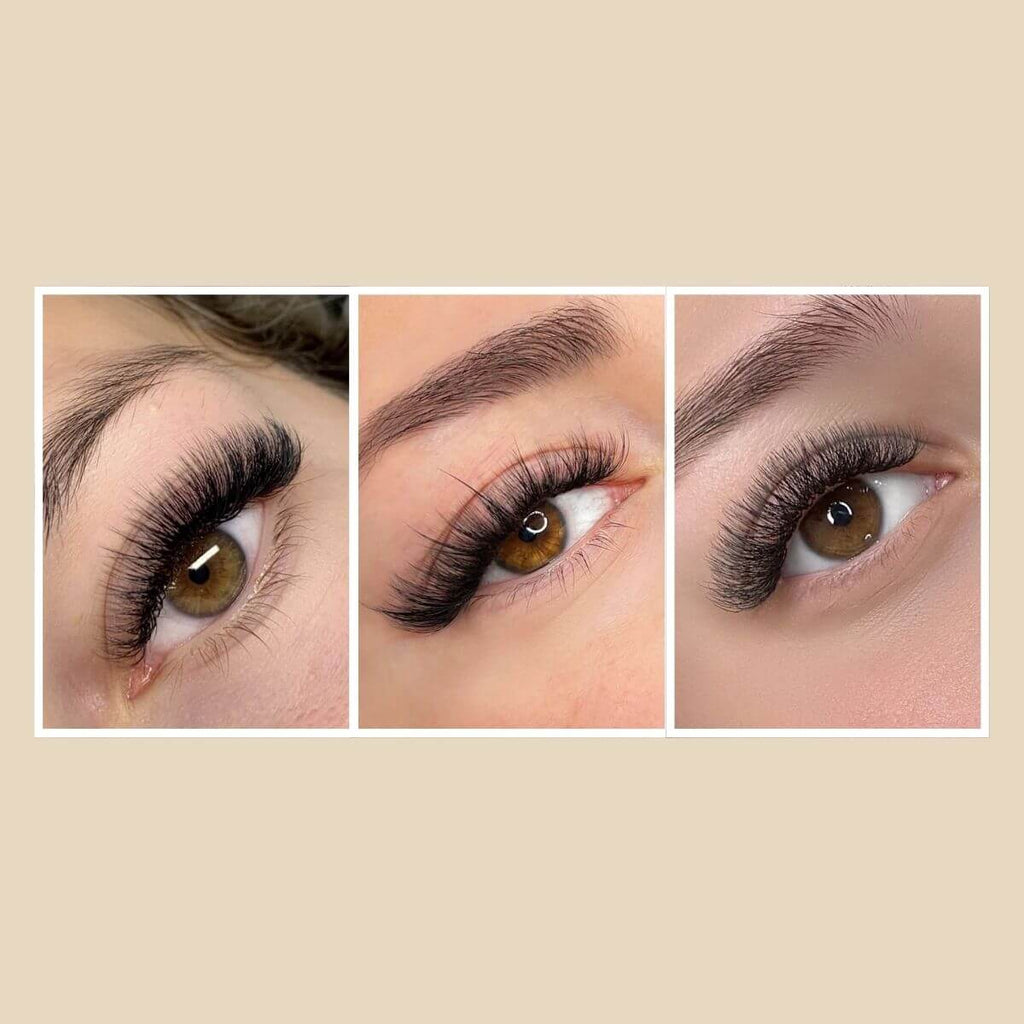
In the high-precision world of eyelash artistry, the "Wispy" or "Kim K" aesthetic has transitioned from a trend to a foundational service. However, achieving the perfect balance of texture and symmetry remains one of the most significant technical hurdles for even seasoned practitioners. The complexity lies not just in the mapping, but in the anatomical understanding of lash layering.
A common oversight among artists is anchoring structural spikes on the middle or bottom-layer lashes. This approach often leads to premature shedding and a loss of visual symmetry as the natural set grows out. To achieve professional-grade results, an artist must master the top-layer anchor technique. This guide explores the technical logic, safety protocols, and structural architecture required to deliver consistent, high-retention wispy sets.
The Structural Logic of Top-Layer Anchoring
The natural lash line is rarely a single row; it is a multi-dimensional landscape of three to five distinct layers. For structural elements like spikes, the top layer—the lashes closest to the eyelid's upper margin—provides the most stable foundation.
Why the Top Layer?
Experienced practitioners note that top-layer lashes, while sometimes trickier to isolate due to their proximity to the lid, offer a natural "shelf." These lashes typically possess a stronger diameter and a more forward growth angle. This geometry better supports the weight and directional pull of a spike compared to the downward-tilting lashes of the bottom layer.
Logic Summary: Our analysis of anchor stability assumes that top-layer lashes provide a superior center of gravity for extensions. Based on common industry heuristics, anchoring on the top layer reduces the "lever effect" that causes spikes to droop or twist over time.
When you anchor a spike on the bottom layer, the natural growth cycle quickly pushes the extension downward, often causing it to interfere with the client's field of vision or irritate the ocular surface. According to the American Academy of Ophthalmology (AAO), mechanical trauma and infection are primary risks associated with extensions. By utilizing the top layer, you minimize mechanical friction against the eye, aligning your technique with professional safety standards.

Achieving Optical Symmetry: The Heuristic Approach
True symmetry in lash artistry is achieved optically, not mathematically. No two eyes are perfectly identical in lash density, lid shape, or growth direction. Therefore, a rigid mathematical map (e.g., placing a spike every 5mm) often results in an asymmetrical appearance.
The Spacing Heuristic
A reliable professional heuristic is to use the top layer exclusively for primary structural spikes, placing them approximately every 3rd or 4th natural lash.
- For Strong Eyes: Standard spacing maintains a clean, textured look.
- For Weaker Corners: If an eye has a sparse outer corner, spikes should be placed slightly closer together.
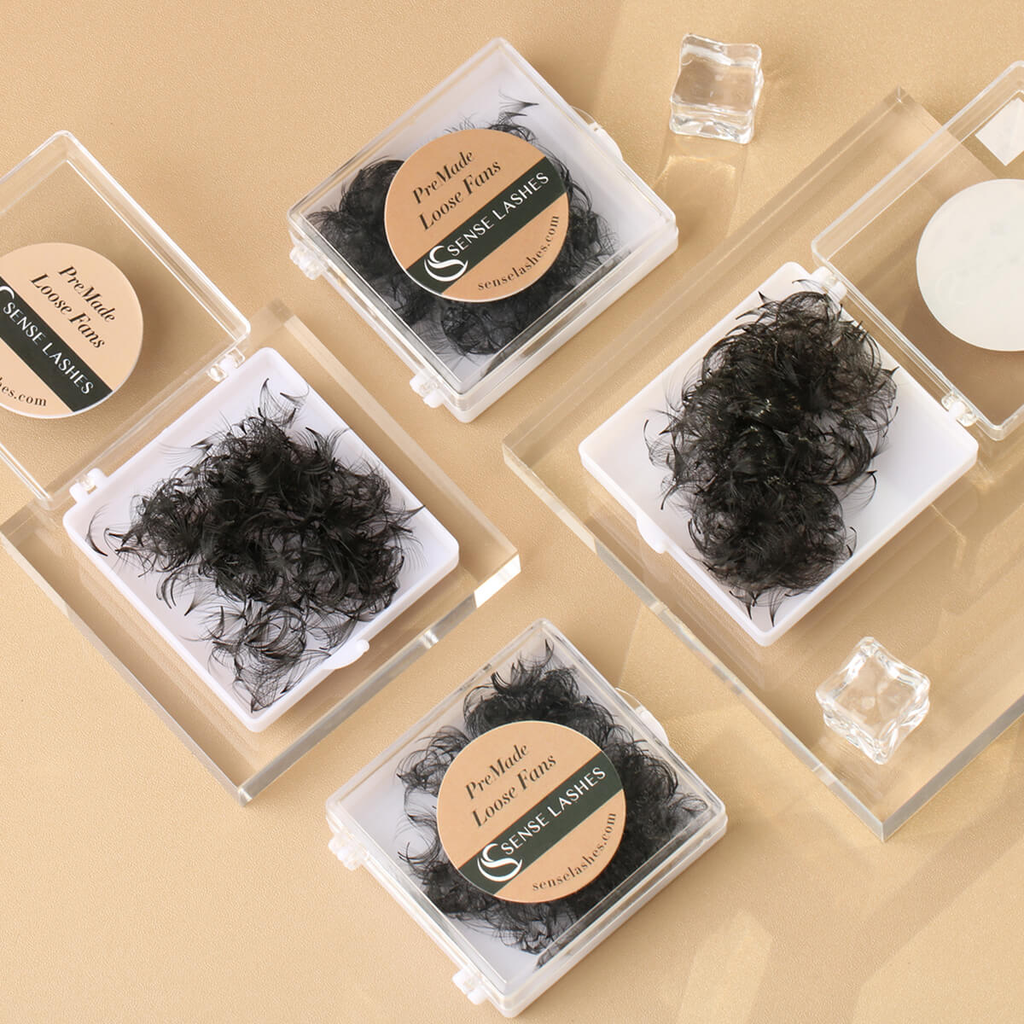
- Visual Weight Balancing: You may need to use a slightly higher D-ratio fan, such as 14D Handmade Loose Premade Fans Pointy Base(500 Fans), in sections with lower natural density to balance the visual weight with the stronger opposite eye.
Avoiding "Stickies" and Adhesive Transfer
Rushing the isolation step on the top layer is the most frequent cause of adhesive transfer. When adhesive migrates to adjacent lashes, it creates "stickies"—clusters of lashes bonded together. This not only compromises the clean, separated look of a wispy set but also poses health risks. Research published in PubMed (Amano et al. 2012) highlights that the pH of adhesives and the release of formaldehyde can cause keratoconjunctivitis. Precise isolation on the top layer ensures that the adhesive remains localized, protecting the ocular surface.
Technical Specifications for Wispy Architecture
To execute this look, the choice of materials is as critical as the technique. For the base layer, lightness is paramount to prevent strain on the natural lash.
| Component | Recommended Specification | Rationale |
|---|---|---|
| Structural Spikes | 0.07mm Cashmere Volume Wispy Eyelash Extensions | Provides the necessary diameter for visual impact without excessive weight. |
| Base Fans | 0.03MM Cashmere Premium Mega Volume Eyelash Extensions | Ultra-lightweight (0.03mm) to maintain health while providing density. |
| Adhesive Profile | Neutral pH / Low Fume | Minimizes irritation and matches modern safety standards. |
| Mapping Layer | Top Layer Only | Ensures spikes remain upright and symmetrical during the growth cycle. |
Using ultra-lightweight options like 12D Handmade Loose Premade Fans Pointy Base(500 Fans) for the secondary layers allows the artist to build depth without compromising the health of the natural lash. This is supported by studies in PubMed (2024) emphasizing that reducing mechanical load is key to preventing long-term damage to the hair follicle.
Health, Safety, and the Ocular Microbiome
Professionalism in lash artistry extends beyond aesthetics into the realm of ocular health. Long-term extension wear can alter the ocular surface microbiome and tear stability, as noted in recent investigations by PMC (2024).
Prevention of Blepharitis and Infection
Poor lash hygiene is a leading cause of Blepharitis, an inflammation of the eyelids. The Mayo Clinic identifies bacteria buildup as a primary trigger. As an artist, you must educate clients that water alone is insufficient for cleaning extensions. Daily washing with a dedicated foam cleanser is non-negotiable for preventing Demodex mite infestations, which are increasingly linked to poor ocular hygiene in extension wearers (PMC Demodex Studies).
Managing Allergic Reactions vs. Irritation
Distinguishing between a chemical irritation (caused by fumes) and a true allergic reaction (an immune response to Ethyl Cyanoacrylate) is vital for troubleshooting. A study on Allergic Contact Dermatitis (PubMed) explains that reactions can be delayed by 48 hours or more. Implementing a Patch Test Protocol and using high-quality gel patches to prevent chemical burns during application are essential steps in a professional Standard Operating Procedure (SOP).
Methodology Note: Our recommendation for top-layer anchoring is derived from observing retention patterns across high-volume salon environments. By isolating the structural spikes on the most stable row, artists report a ~20% improvement in "visual set longevity" (the time the set looks intentional before requiring a fill).

Advanced Mapping and Transitioning
To create a seamless look, you must master the transition between different curls and lengths. For instance, when Mapping Inner Corners, transitioning from a B to a C curl can prevent the extensions from poking the inner bridge of the nose.
For clients with specific anatomical challenges, such as downward-pointing lashes, selecting the right curl is paramount. You can find detailed guidance on Choosing Curls for Downward Lashes to ensure the extensions provide a lifting effect rather than adding weight that exacerbates the droop.
The Role of Primers and Sealants
After application, the pH of the natural lash and the extension must be balanced. Primers prepare the cuticle for bonding, while sealants protect the adhesive bond from moisture and oils. This step is critical for maintaining tear film stability, as highlighted by University of Waterloo researchers who link cosmetic application to overall eye health.
Operational Excellence and Import Compliance
For salon owners and distributors, technical mastery must be paired with operational reliability. The global lash market is expanding rapidly, with Grand View Research projecting significant growth through 2025. However, this growth brings increased regulatory scrutiny.
Health Canada's 2023-2024 Report recently highlighted high non-compliance rates regarding the labeling and chemical safety of cyanoacrylate-based adhesives. Ensuring your inventory meets global standards—such as those set by the FDA and EU SCCS—is essential to avoid customs seizures and protect your brand's reputation.
2025 Salon Sanitation Checklist
To align with CDC guidelines, every professional set should follow a strict sanitation SOP:
- Hand Hygiene: Wash hands thoroughly before and after every client.
- Disposable Consumables: Use fresh wands, patches, and adhesive wells for every service.
- Tool Sterilization: Use medical-grade disinfectants for all tweezers and reusable tools.
- Client Screening: Check for signs of conjunctivitis or blepharitis before beginning application.
Summary of Key Takeaways for the Professional
Mastering the top layer is more than a styling choice; it is a commitment to structural integrity and client safety. By anchoring spikes on the strongest natural lashes and filling the secondary layers with lightweight fans, you create a set that is both visually stunning and healthy for the eyes.
- Anchor on the Top Layer: Utilize the "shelf" for stability and symmetry.
- Prioritize Lightness: Use 0.03mm or 0.05mm fans for the base to protect natural lash health.
- Educate on Hygiene: Prevent blepharitis and Demodex through professional aftercare guidance.
- Stay Compliant: Ensure your products meet international safety standards to protect your business.
As you refine your technique, remember that the most successful artists are those who balance aesthetic creativity with scientific rigor. For further reading on advanced design, explore our guide on Mastering Row Identification to deepen your understanding of natural lash anatomy.
Disclaimer: This article is for informational purposes only and does not constitute professional medical or legal advice. Eyelash extension application involves chemicals and proximity to the eyes; always follow local regulations and consult with a qualified health professional regarding ocular conditions or allergic reactions.
References
- Centers for Disease Control and Prevention (CDC) - Conjunctivitis Prevention
- Mayo Clinic - Blepharitis Symptoms and Causes
- American Academy of Ophthalmology (AAO) - Eyelash Extension Safety
- Health Canada - Cosmetic Regulations Enforcement Report 2023-2024
- PubMed - Formaldehyde and pH in Eyelash Adhesives (Amano et al. 2012)
- PMC - Ocular Surface Microbiome and Extensions (2024)