


홈 Eyelash Extension Supplies Guide
Stabilizing Leaning Spikes: Directional Control for Wispy SetsBase

The Structural Challenge of the Wispy Aesthetic
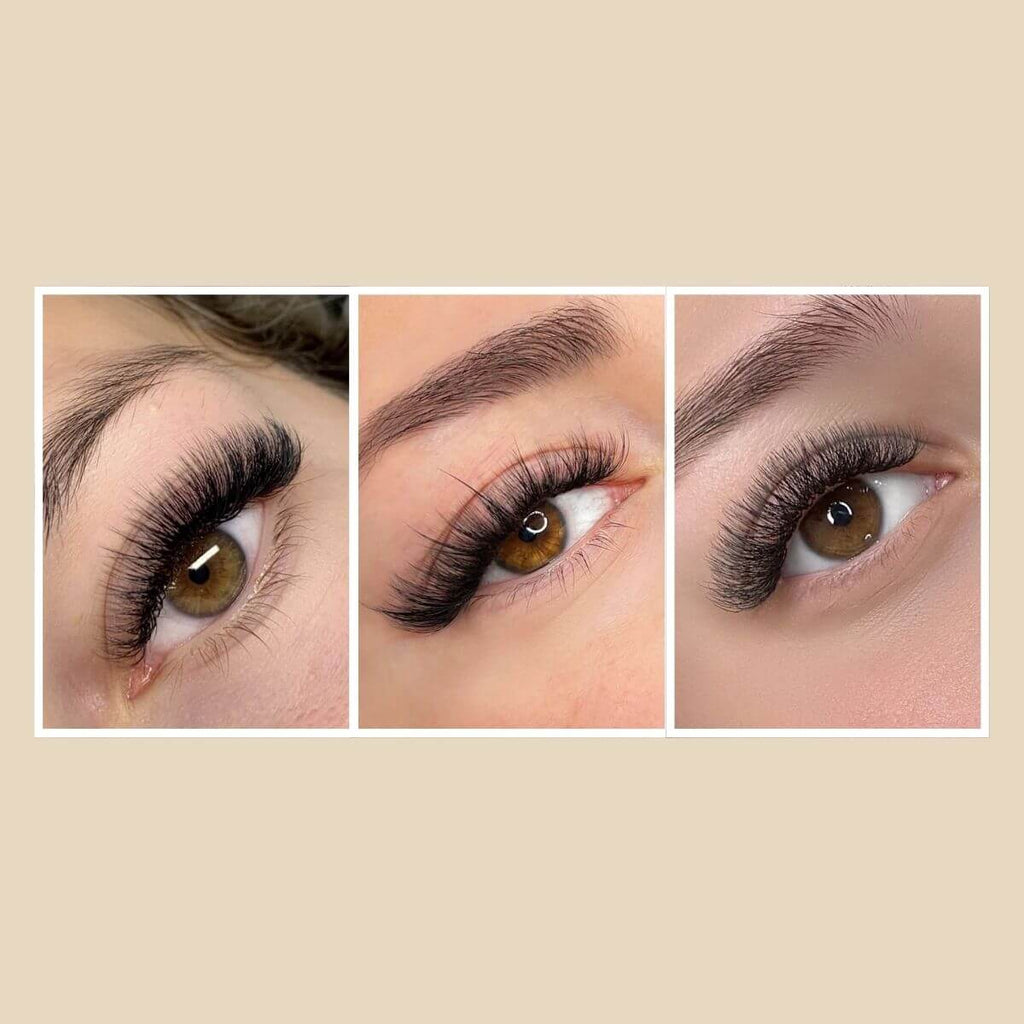
In the high-precision world of lash artistry, the "Wispy" or "Kardashian" look remains one of the most requested yet technically demanding styles. The aesthetic relies on "spikes"—tall, closed fans or clusters—that stand prominently above a shorter base layer. However, the most frequent frustration for advanced artists is the "leaning spike": a structural failure where the spike twists, droops, or leans within days of the service.
A leaning spike is more than an aesthetic flaw; it is a symptom of mechanical instability. When a spike loses its vertical orientation, it creates a messy, disorganized appearance that compromises the client's investment and the artist's reputation. To achieve 2025-standard retention and styling, we must move beyond basic application and master the physics of directional control.
This guide analyzes the mechanical root causes of spike instability and provides a professional framework for stabilizing wispy sets using advanced attachment heuristics and chemical insights.
The Physics of Attachment: The 70/30 Rule
The primary reason spikes lean is an insufficient attachment area. Because spikes are taller and often denser than the surrounding base layer, they act as a "lever arm." Any slight deviation at the base is magnified at the tip.
Through our analysis of common application patterns, we have established the 70/30 Attachment Heuristic. This rule dictates that for a spike to remain stable throughout the natural lash growth cycle, the base of the spike must cover at least 70% of the width of the natural lash.
The Lever Arm Effect and Root Placement
When the base of a spike is placed too far from the natural lash root, the distance creates a "long lever." As the natural lash grows or the client sleeps, mechanical pressure on the tip of the spike exerts torque on the base. If that base is only 1mm or 2mm away from the root, the spike will inevitably twist.
Logic Summary: The Lever Arm Model
- Assumption: The natural lash acts as a flexible fulcrum.
- Input: Spike length (e.g., 15mm) vs. Base layer (e.g., 10mm).
- Mechanism: A 2-3mm length gap increases the "swing" radius of the spike tip.
- Heuristic: Base placement must be no more than 0.5mm from the natural lash root to minimize the lever arm's range of motion.
To ensure this precision, we recommend using 0.03MM Cashmere Premium Mega Volume Eyelash Extensions for the base layer. The extreme lightness of 0.03mm fibers allows for dense, supportive volume without adding unnecessary weight that could further destabilize the taller spikes.

Adhesive Dynamics: Why Polymerization Speed Matters
Directional control is often lost in the split second between "placing" and "setting." If you use a slow-drying adhesive, the weight of the spike tip—especially if it is a 0.07mm cluster—can cause the spike to droop or rotate before the bond is secure.
The Role of Viscosity and Cure Time
For wispy sets, we prioritize a fast-drying formula in the 0.5–2 second range. A "syrup-like" viscosity is actually a disadvantage here; you need a thin, high-performance adhesive that "grabs" the natural lash instantly.
The 0.5-1 Second Diamond Eyelash Extension Glue is specifically engineered for this requirement. Its 0.5–1 second drying time ensures that once you have set the direction of your spike, it is locked in place before gravity can pull it off-center.
Chemical Integrity and Eye Health
Beyond mechanical stability, the chemistry of your adhesive impacts client safety. According to a landmark study by Amano et al. (2012), older generations of lash adhesives were often acidic and released high levels of formaldehyde, leading to keratoconjunctivitis. Modern professional standards, such as those followed in our Diamond Bond formula, prioritize pH-neutral compositions and zero-formaldehyde emissions to protect the ocular surface.
Methodology Note: Adhesive Performance Modeling
Parameter Value/Range Unit Rationale Drying Time 0.5 - 1.0 Seconds Minimizes "gravity droop" in spikes Humidity Range 50 - 70 % Optimal for cyanoacrylate polymerization Viscosity Thin - Allows for "seamless" base wrapping Retention 6 - 8 Weeks Based on typical natural lash cycle
Structural Architecture: The Spike-to-Base Ratio
A common error in Wispy & Spiky Structural Architecture is creating a length gap that is too extreme. While the "Kardashian" look thrives on contrast, an unstable ratio leads to premature leaning.
The 3mm Rule: To maintain a stable, integrated look, the spike length should generally not exceed the length of the supporting base layer by more than 2–3mm. For example, if your base layer is 10mm and 11mm, your spikes should ideally be 13mm or 14mm. If you jump to 16mm or 17mm, the lack of lateral support from the base layer makes the spike highly susceptible to directional failure.
For those looking to simplify this process, 0.07mm Cashmere Volume Wispy Eyelash Extensions offer a pre-made solution. These clusters are designed to be used alongside premade fans to create that dense, textured look without the artist needing to hand-craft every spike, which often results in uneven, bulky bases that twist easily.
Premade vs. Handmade: Reducing Variable Error
For many artists, handmade spikes are a point of pride. However, from a technical consistency standpoint, handmade spikes often suffer from "base bulk." If the base of your spike is too thick or uneven, it cannot "wrap" around the natural lash effectively.
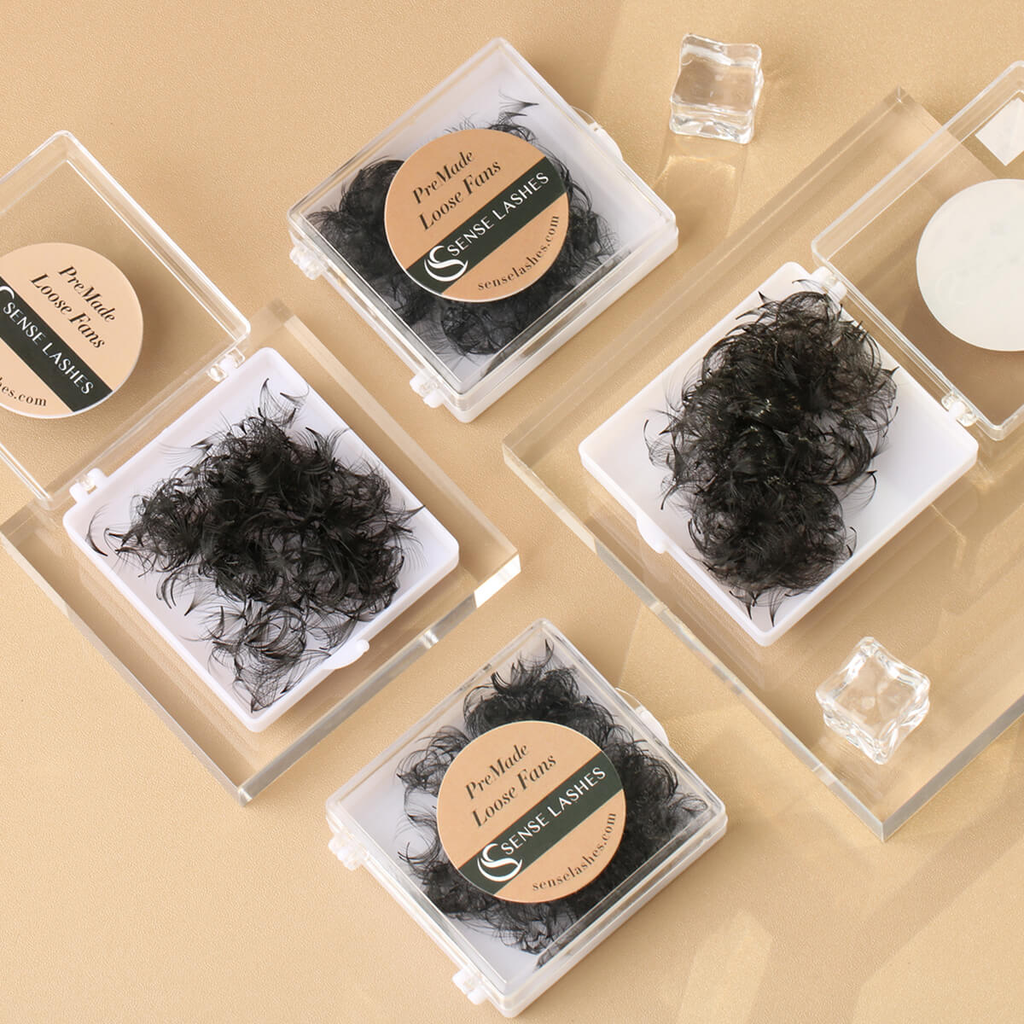
We have observed that 10D Handmade Loose Premade Fans Pointy Base(500 Fans) provide a significant advantage for stabilizing wispy sets. Because these fans are heat-bonded, the base is ultra-slim and consistent. This lack of bulk allows for a much cleaner attachment to the natural lash, reducing the "pivot point" that causes leaning.
Troubleshooting Asymmetrical Leaning
If you notice that spikes lean consistently toward the outer corner, it is likely a "mapping" error rather than a product failure. Refer to our guide on Fixing Visual 'Steps' in Asymmetrical Length Transitions to ensure your spikes are placed at the correct angle relative to the eye's curvature.

The Health & Safety Mandate: Protecting the Ocular Surface
As a professional, your technical skill is only as valuable as your commitment to client health. The American Academy of Ophthalmology (AAO) emphasizes that eyelash extensions carry risks of infection and allergic reactions if not managed correctly.
Salon Sanitation SOP
According to the CDC (Centers for Disease Control), preventing the spread of conjunctivitis requires strict adherence to hygiene protocols. This includes the use of disposable consumables—such as wands and patches—for every client.
The "Lash Shampoo" Argument
Many artists market lash shampoo as an optional cleaner. However, based on research from the Mayo Clinic, poor lash hygiene is a leading cause of Blepharitis (eyelid inflammation). When clients wear dense wispy sets, bacteria and oils can easily become trapped at the base of the spikes. Daily cleaning with a professional foam cleanser is a non-negotiable requirement for preventing "Demodex" mite infestation and maintaining tear film stability, as highlighted in studies on Ocular Surface Changes.
Allergic Reactions vs. Irritation
A common "gotcha" in the industry is confusing a chemical burn with an allergic reaction. A study on Dermatitis from Acrylates notes that reactions can be delayed by 48 hours or more. If a client complains of burning immediately, it is often due to fumes or dry eyes. According to WebMD, dry eye syndrome can be exacerbated by adhesive fumes. Using a nano-mister or a high-quality sealant can help neutralize these fumes and restore the lash pH balance.
Compliance and Global Standards
For salon owners and distributors, technical precision must be matched by regulatory compliance. Health Canada's 2023-2024 Enforcement Report recently highlighted high non-compliance rates regarding the labeling of cyanoacrylate-based adhesives.
Ensuring your inventory is compliant with local regulations—whether it's Health Canada, the FDA, or the EU SCCS—is critical to avoiding customs seizures and protecting your business. As a factory-direct supplier, we prioritize these standards to ensure that our products, from the pigments in our 0.03mm mega volume lashes to the chemistry of our glues, meet professional safety benchmarks.
Summary of Directional Control Best Practices
To eliminate leaning spikes and master the wispy aesthetic, follow this professional checklist:
- Prioritize the 70/30 Rule: Ensure the spike base covers 70% of the natural lash width.
- Minimize the Lever Arm: Place the spike base no more than 0.5mm from the root.
- Select Fast-Drying Adhesive: Use a 0.5–1 second glue like Diamond Bond to lock in direction instantly.
- Manage the Ratio: Keep spike lengths within 2–3mm of the base layer for structural support.
- Audit the Base: Use heat-bonded premade fans or ultra-slim handmade bases to prevent twisting.
- Educate on Hygiene: Mandate the use of lash shampoo to prevent Blepharitis and maintain retention.
By treating the wispy set as a structural engineering project rather than just an aesthetic choice, you ensure that your work remains pristine for weeks, not just hours.
Disclaimer: This article is for informational purposes only and does not constitute professional medical, legal, or financial advice. Always consult with a qualified ophthalmologist for eye health concerns and refer to local licensing boards for sanitation and compliance regulations in your jurisdiction.
Sources
- American Academy of Ophthalmology (AAO) - Eyelash Extension Safety
- CDC - Preventing Conjunctivitis
- Mayo Clinic - Blepharitis Symptoms and Causes
- Health Canada - 2023-2024 Cosmetic Regulations Report
- PubMed - Amano et al. (2012) Formaldehyde and pH in Eyelash Glues
- PMC - Ocular Surface Changes and Eyelash Extensions
- WebMD - Dry Eye Syndrome Overview