


Extension ciglia singole spiegate: cosa devono sapere gli lash artist prima di offrirle

Le extension ciglia individuali vengono applicate isolando una singola ciglia naturale prima di fissare una estensione o un ventaglio, consentendo un controllo preciso su stile, peso e posizionamento nei diversi design di ciglia.
Estensioni ciglia individuali sono definite dalla precisione, non da uno stile fisso. Ogni ciglia naturale adatta viene isolata prima di ricevere un’estensione o un ventaglio leggero. Questo metodo supporta design classici, ibridi, volume e personalizzati. Per le lash artist, il servizio richiede un isolamento accurato, un uso controllato dell’adesivo, una selezione sicura del peso e una chiara educazione del cliente.
Cosa sono le estensioni ciglia individuali?
Le estensioni ciglia individuali si applicano a singole ciglia naturali, invece che lungo tutta la rima cigliare.
Isolamento significa separare una ciglia naturale da tutte le ciglia circostanti. L’operatrice applica poi una singola estensione o un ventaglio su quella ciglia isolata.
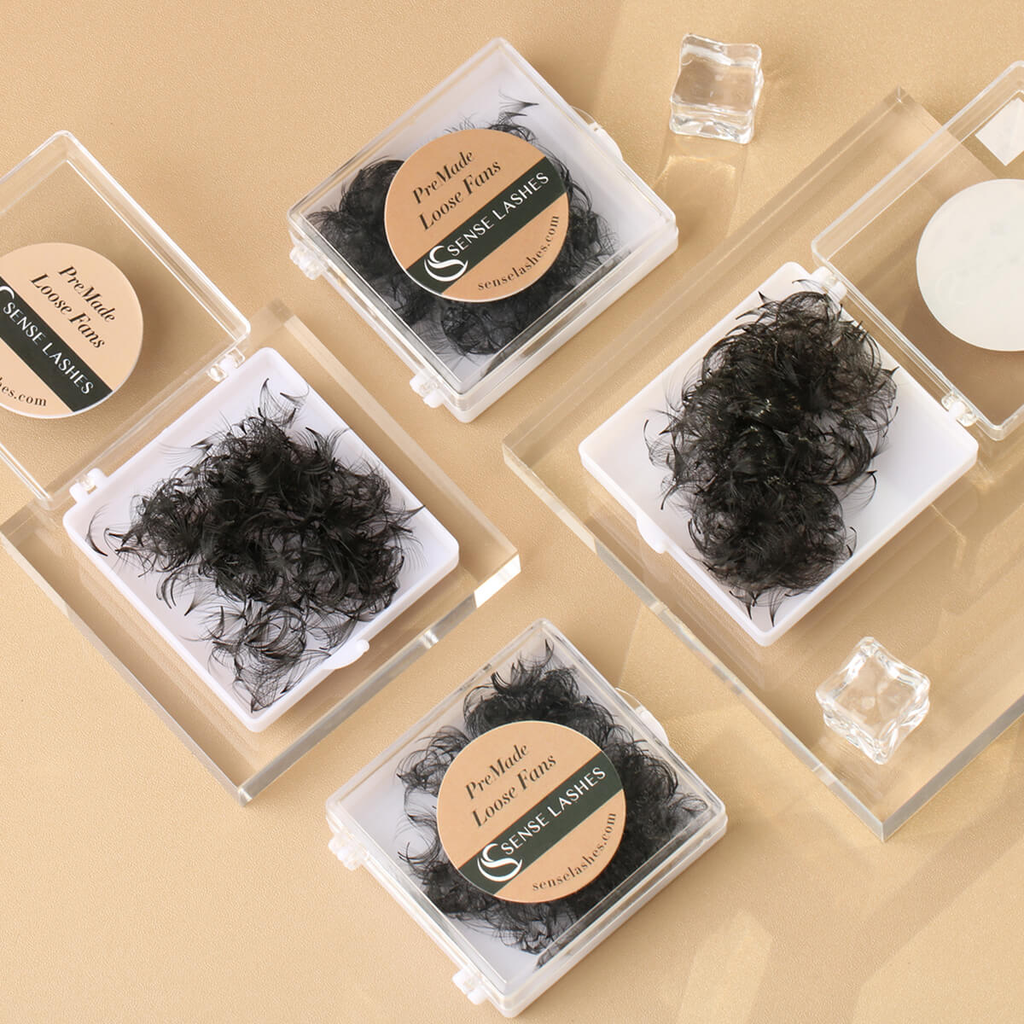
Un ventaglio è un gruppo di sottili estensioni unite in una base. Può essere realizzato a mano durante il servizio oppure preparato prima dell’appuntamento.
La parola “individuale” descrive il metodo di applicazione. Non descrive uno stile finale specifico.
L’applicazione individuale può supportare:
- Una estensione su una ciglia naturale
- Un ventaglio volume su una ciglia naturale
- Styling classico, ibrido, volume o wispy
- Ricci diversi e lunghezze diverse lungo la rima cigliare
- Correzioni personalizzate per una crescita irregolare delle ciglia
Alcuni prodotti temporanei per ciglia sono anche commercializzati come ciglia individuali. Tuttavia, il nome sulla confezione non definisce il metodo professionale.
Le lash artist dovrebbero esaminare come si attaccano le fibre. L’applicazione individuale professionale richiede un isolamento completo e un posizionamento controllato su una ciglia naturale adatta.
Estensioni ciglia individuali vs ciuffetti e ciglia a banda
Le estensioni individuali, i ciuffetti e le ciglia a banda creano esperienze di servizio diverse. Anche i loro metodi di applicazione influenzano manutenzione, personalizzazione e rimozione.
Differenze di applicazione e durata
Le estensioni ciglia individuali si applicano su ciglia naturali isolate. Fanno parte di un servizio mantenuto nel tempo e richiedono refill programmati.
Un refill è un appuntamento che sostituisce le estensioni perse durante il ciclo delle ciglia naturale. Il ciclo delle ciglia è il normale processo di crescita, riposo e caduta.
I ciuffetti contengono più fibre collegate a una sola base. Possono coprire più di una ciglia naturale, a seconda del metodo di applicazione.
Le ciglia a banda si appoggiano su una fascia flessibile. La banda viene posizionata lungo la rima cigliare ed è di solito pensata per un uso temporaneo.

La tabella seguente riassume le principali differenze professionali.
| Fattore | Estensioni individuali | Ciuffetti di ciglia | Ciglia a banda |
|---|---|---|---|
| Applicazione | Una ciglia naturale isolata | Può coprire più ciglia naturali | Banda delle ciglia vicino alla rima cigliare |
| Isolamento | Richiesto | Dipende dal metodo di applicazione | Non richiesto |
| Personalizzazione | Alta | Moderata | Limitata dal design della banda |
| Manutenzione | Refill regolari | Varia in base al sistema | Rimosse dopo un uso breve |
| Rimozione | Si consiglia una rimozione professionale | Dipende da adesivo e metodo | Rimosse con l’intera banda |
| Uso principale | Servizio personalizzato a lungo termine | Applicazione temporanea o semplificata | Uso temporaneo per eventi o quotidiano |
La distinzione principale non è la quantità di fibre. È il modo in cui l’unità cigliare si collega alle ciglia naturali.
Perché l’isolamento professionale cambia il risultato
Le ciglia naturali crescono a velocità e in stadi diversi. Devono muoversi e cadere in modo indipendente.
Se più ciglia naturali restano attaccate tra loro, la loro crescita può creare tensione. La cliente può avvertire trazione, rigidità o fastidio.
Questi collegamenti indesiderati si chiamano stickies. Uno sticky si verifica quando una singola estensione o un’area di adesivo collega ciglia naturali vicine.
Un isolamento completo favorisce:
- Crescita indipendente delle ciglia naturali
- Direzione dell’estensione più pulita
- Maggiore comfort per la cliente
- Appuntamenti di refill più facili
- Valutazione della caduta più accurata
Le estensioni professionali dovrebbero essere controllate per verificare la presenza di stickies prima che la cliente apra gli occhi. La qualità dell’isolamento non dovrebbe mai essere sacrificata per la velocità.
Quando le estensioni ciglia individuali sono la scelta migliore
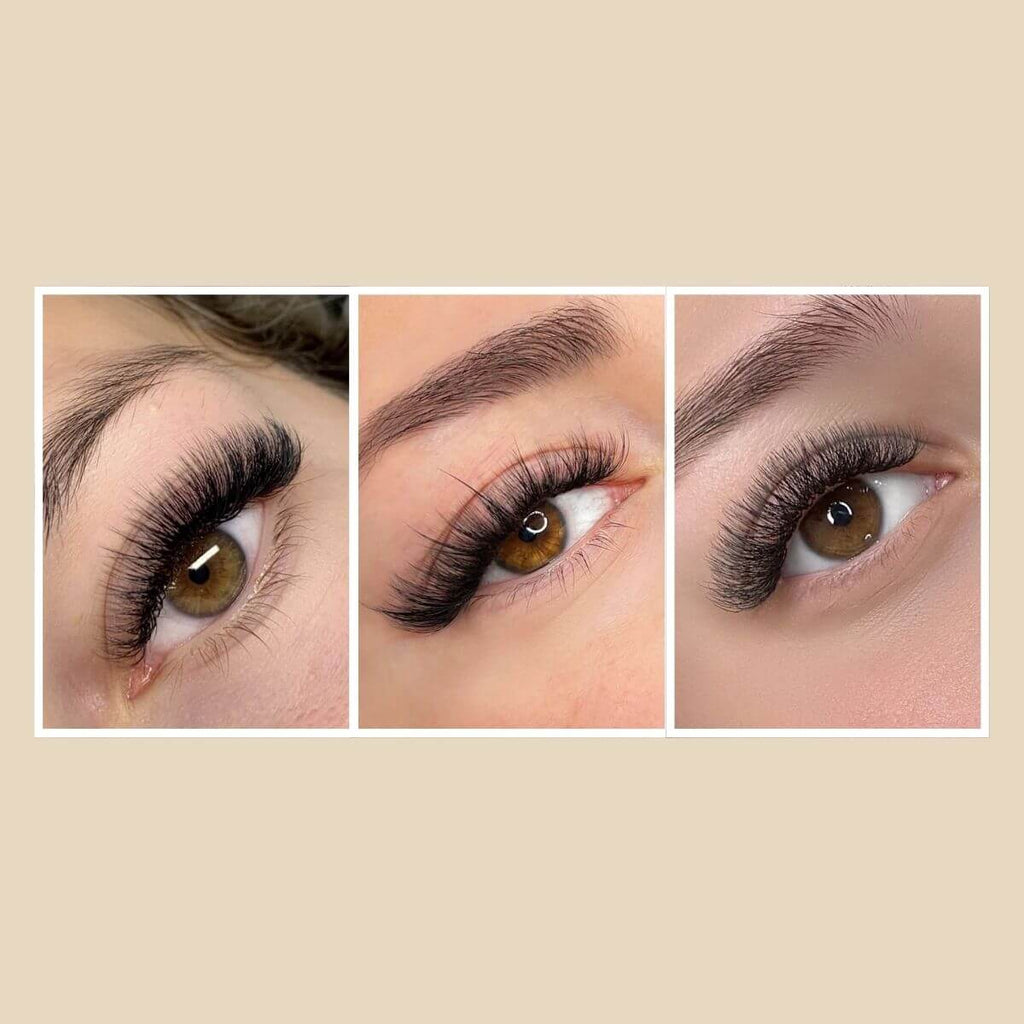
Le estensioni ciglia individuali funzionano bene per le clienti che desiderano un risultato mantenuto nel tempo e personalizzato.
Possono valorizzare in modo naturale senza imitare l’aspetto di una banda temporanea. Inoltre permettono alla lash artist di regolare ogni zona separatamente.
Questo approccio è utile per:
- Set soft classic o light volume
- Mappatura personalizzata della forma dell’occhio
- Design ibridi bilanciati
- Clienti con distribuzione irregolare delle ciglia
- Clienti che desiderano una densità regolabile
- Clienti disposti a fare refill regolari
La mappatura significa pianificare curl, lunghezza, densità e posizionamento nelle diverse zone della rima cigliare.
Un piano di mappatura professionale dovrebbe rispondere alle ciglia naturali della cliente. Le foto di riferimento possono supportare la consulenza, ma non dovrebbero sostituire la valutazione.
L’applicazione individuale aiuta anche quando gli occhi sono leggermente diversi. L’operatrice può adattare ogni lato senza usare la stessa lunghezza ovunque.
Il servizio potrebbe non adattarsi a tutti gli orari di appuntamento. Un set completo richiede abbastanza tempo per consulenza, isolamento, applicazione e controllo finale.
Le clienti devono anche comprendere la manutenzione continua. Le estensioni individuali non sono un servizio da un solo appuntamento con risultati permanenti.
Competenze tecniche richieste per le estensioni ciglia professionali
L’applicazione individuale professionale richiede diverse competenze che lavorano insieme. Un buon posizionamento da solo non può correggere un isolamento scarso o un peso non adatto.
Isolamento, adesivo e posizionamento

Ogni estensione deve essere applicata su una singola ciglia naturale adatta.
L’adesivo dovrebbe creare un contatto sufficiente senza formare una base troppo spessa. Troppo adesivo può aumentare gli stickies e l’accumulo visibile.
La polimerizzazione dell’adesivo indica il passaggio da adesivo liquido a legame stabile. La velocità di polimerizzazione è influenzata dal prodotto, dall’umidità, dalla temperatura e dal ritmo di applicazione.
Anche il posizionamento richiede una distanza piccola e costante dalla pelle. Le estensioni dovrebbero aderire alla ciglia naturale e non alla palpebra.
L’operatrice deve controllare:
- Contatto della base
- Quantità di adesivo
- Angolo di posizionamento
- Direzione
- Distanza dalla pelle
- Peso dell’estensione
Il posizionamento dall’alto, laterale e dal basso può essere usato in modo professionale. La scelta corretta dipende dalla direzione naturale delle ciglia e dal design desiderato.
Quando si selezionano le ciglia per extension, diametro e lunghezza devono essere adatti alla ciglia naturale di supporto. La finitura e il curl devono restare secondari rispetto al peso sicuro.
Problemi comuni causati da una cattiva applicazione
Una separazione scorretta può causare fastidio anche quando lo styling sembra accettabile dalla parte frontale.
Il sollevamento della base si verifica quando una parte della base dell’estensione non aderisce perfettamente alla ciglia naturale. Una base sollevata può impigliarsi durante la detersione o la spazzolatura.
Altri problemi comuni di applicazione includono:
- Estensioni che si incrociano con sezioni vicine
- Adesivo a contatto con la pelle
- Peso eccessivo su ciglia naturali sottili
- Distanza di attacco incoerente
- Direzione scorretta lungo la rima cigliare
- Stickies non controllati dopo l’applicazione
Anche la ritenzione può diminuire quando la base ha un contatto insufficiente. La ritenzione descrive quanto bene le estensioni restano attaccate tra un appuntamento e l’altro.
Tuttavia, la caduta precoce non indica sempre una cattiva applicazione. Anche la caduta naturale, l’aftercare, le condizioni dell’ambiente e le abitudini della cliente influenzano la durata.
Le lash artist dovrebbero valutare l’intero processo del servizio prima di attribuire la colpa a un solo prodotto o a una sola tecnica.
Come spiegare le estensioni ciglia individuali alle clienti
L’educazione della cliente dovrebbe iniziare prima del servizio.
Spiega che l’applicazione individuale richiede tempo perché ogni ciglia naturale adatta deve essere isolata. L’operatrice non sta semplicemente riempiendo gli spazi visibili.
Anche il prezzo riflette più del numero di fibre utilizzate. Include consulenza, mappatura, isolamento, applicazione, controllo e pianificazione della manutenzione.
Le clienti dovrebbero sapere che:
- I set completi richiedono più tempo dei refill
- Le ciglia naturali continuano a cadere
- I refill regolari mantengono forma e copertura
- Ciglia pulite favoriscono migliori condizioni di servizio
- Le estensioni non devono essere tirate o strappate
- La rimozione professionale protegge la rima cigliare naturale
Aftercare significa le fasi di pulizia e manutenzione seguite tra un appuntamento e l’altro.
Le clienti dovrebbero pulire la rima cigliare come indicato ed evitare di lasciare residui di trucco alla base. Estensioni pulite sono più facili da valutare durante i refill.
Evita di promettere un periodo di durata esatto. La ritenzione varia da cliente a cliente perché ciclo delle ciglia, skincare, stile di vita e cura a casa sono diversi.
La consulenza dovrebbe coprire anche la differenza tra densità e peso. Un risultato visivamente più pieno non giustifica il sovraccarico di ciglia naturali deboli.
Cosa verificare prima di offrire le estensioni ciglia individuali
Uno studio dovrebbe confermare la propria preparazione tecnica e operativa prima di aggiungere questo servizio.
La lash artist dovrebbe essere in grado di isolare in modo costante le sezioni interne, centrali ed esterne. Gli angoli interni spesso richiedono più controllo perché le ciglia sono più corte.
La conoscenza dell’adesivo è altrettanto importante. La velocità di lavoro dovrebbe corrispondere al ritmo di applicazione dell’operatrice e alle condizioni della stanza.
Prima di aprire le prenotazioni, verifica se il servizio include:
- Una consulenza clienti strutturata
- Valutazione delle ciglia naturali
- Pianificazione di curl, lunghezza e diametro
- Monitoraggio di adesivo e umidità
- Procedure di refill e rimozione
- Istruzioni per l’aftercare
- Schede cliente e note di mappatura
- Un controllo finale degli stickies
Le procedure igieniche dovrebbero essere documentate anch’esse. Gli strumenti riutilizzabili devono essere adeguatamente puliti e disinfettati tra una cliente e l’altra.
L’operatrice deve sapere quando rimandare un servizio. Infiammazione visibile, irritazione attiva o fastidio oculare insolito richiedono la dovuta cautela.
Le lash artist non devono diagnosticare condizioni mediche. Le clienti con sintomi preoccupanti dovrebbero rivolgersi a un professionista sanitario qualificato.
La durata dell’appuntamento deve consentire un lavoro accurato. Aumentare i prenotati giornalieri non dovrebbe ridurre la qualità dell’isolamento o del controllo finale.
Crea un servizio preciso di estensioni ciglia individuali
Le estensioni ciglia individuali possono supportare design naturali, ibridi, volume e personalizzati. Il loro valore deriva da un’applicazione controllata su singole ciglia naturali. Costruisci il servizio attorno a consulenza, isolamento, peso sicuro, posizionamento accurato, refill e rimozione professionale. Rivedi ogni fase prima di ampliare la capacità di appuntamenti. Un processo chiaro protegge la qualità del servizio e aiuta le clienti a capire il tempo e la competenza dietro le estensioni ciglia professionali.
FAQ
Q1. Le estensioni ciglia individuali possono essere applicate dove non esiste alcuna ciglia naturale?
No. Le estensioni individuali professionali richiedono una ciglia naturale adatta per l’adesione. Non dovrebbero essere incollate direttamente sulla pelle nuda della palpebra per riempire uno spazio vuoto.
Q2. È possibile mescolare ricci diversi in un unico set di estensioni ciglia individuali?
Sì. Mescolare i curl può migliorare l’equilibrio tra le diverse direzioni delle ciglia naturali. La transizione dovrebbe restare graduale per evitare rotture visibili nel design.
Q3. Le clienti che portano gli occhiali possono avere estensioni ciglia individuali?
Sì. Lunghezza e curl dovrebbero essere pianificati per evitare il contatto ripetuto con le lenti. Se possibile, verifica gli occhiali abituali della cliente durante la consulenza.
Q4. Si possono aggiungere estensioni ciglia individuali colorate senza creare un set completamente colorato?
Sì. Le fibre colorate possono essere posizionate in zone selezionate o miscelate con estensioni nere. Il posizionamento dovrebbe corrispondere alla visibilità preferita dalla cliente e alle esigenze lavorative.
Lascia un commento