


Accueil Eyelash Extension Supplies Guide
Seasonal Sensitivity: Adjusting Aftercare for Dry Winter Air

Seasonal Sensitivity: Adjusting Aftercare for Dry Winter Air
As the temperature drops and indoor heating systems activate, lash artists globally observe a distinct shift in client feedback. Based on common patterns from customer support and service return handling, professional salons often report a 20% to 30% increase in complaints regarding itchiness, redness, and "dryness" during the winter months. While these symptoms are frequently misattributed to a sudden adhesive allergy, the reality is often rooted in the complex interplay between low environmental humidity, altered skin barrier function, and the curing chemistry of cyanoacrylate.
For the premier lash technician, winter is not just a season of holiday bookings; it is a period requiring a strategic pivot in both application protocol and aftercare education. Failing to adjust for the "Winter Sensitivity Surge" can lead to unnecessary product returns, lost clientele, and a reputation for inconsistent results.
The Physiology of Winter Eye Irritation
To effectively manage seasonal complaints, we must first distinguish between a true immune-mediated allergy and environmental irritation. According to a case study on allergic contact dermatitis caused by Ethyl Cyanoacrylate, true allergies typically involve a delayed-onset immune response (48+ hours) and present with significant swelling (angioedema). Conversely, winter irritation is often a manifestation of "Dry Eye Syndrome" or mechanical stress.
In northern climates, indoor humidity often plummets below 30%. This arid air accelerates transepidermal water loss (TEWL) from the delicate skin of the eyelids. When the skin barrier is compromised, it becomes hyper-sensitive to external stimuli—including the trace fumes released during the adhesive curing process. Furthermore, research published in PMC regarding ocular surface changes indicates that extensions can affect tear film stability. In winter, this instability is exacerbated, leading to the burning sensation many clients mistake for a "bad batch" of glue.
Logic Summary: Our analysis of seasonal sensitivity assumes that environmental stressors (low humidity) lower the threshold for chemical irritation, making standard application protocols more "reactive" than they would be in humid, temperate conditions.
The Low-Humidity Adhesive Protocol
The most common mistake made during winter is maintaining a "fast" application pace with a high-speed adhesive. Cyanoacrylate requires moisture to polymerize. In low humidity (<40%), the curing process slows down significantly. While this may seem like it gives the artist more time to work, it actually increases the duration of "fume exposure" for the client.
When the adhesive stays in a liquid or semi-liquid state longer, it continues to release vapors. In dry air, these vapors seek out the nearest source of moisture—which is often the client's ocular surface or the mucous membranes of the eye. This is the primary mechanism behind the "red eye" or "sting" reported in winter.
Strategic Adjustment: The Slower Bond
To mitigate this, we recommend switching to a slightly slower-setting adhesive with a broader humidity range. The 1-2 Second Gold Eyelash Extension Glue is optimized for these conditions. Its 1-2 second dry time is a "sweet spot" for winter; it allows for a controlled application without the "flash-curing" issues that can lead to brittle bonds in dry air.
| Parameter | Winter Value (Low Humidity) | Unit | Rationale |
|---|---|---|---|
| Ambient Humidity | 25% - 40% | RH | Typical indoor winter range |
| Adhesive Dry Time | 1 - 2 | Seconds | Allows for fume dissipation |
| Room Temperature | 18 - 22 | °C | Prevents excessive sweat/oil |
| Application Speed | Moderate | - | Ensures full base attachment |
| Nano-Misting | Required | - | Forces polymerization in dry air |
Modeling Note: This protocol is a scenario model for artists working in environments where humidity cannot be mechanically raised above 45%. It assumes the use of a neutral-pH adhesive to minimize chemical trauma, as suggested by the Amano et al. 2012 study which linked acidic glues to keratoconjunctivitis.

Mechanical Stress and Brittle Natural Lashes
Just as hair on the scalp becomes more brittle and prone to breakage in winter, natural eyelashes suffer from reduced lipid content and moisture. Applying heavy, thick extensions (0.15mm or higher) during this time increases mechanical stress on the follicle. A 2024 study on ocular disorders emphasizes that mechanical damage is a leading cause of long-term lash loss.
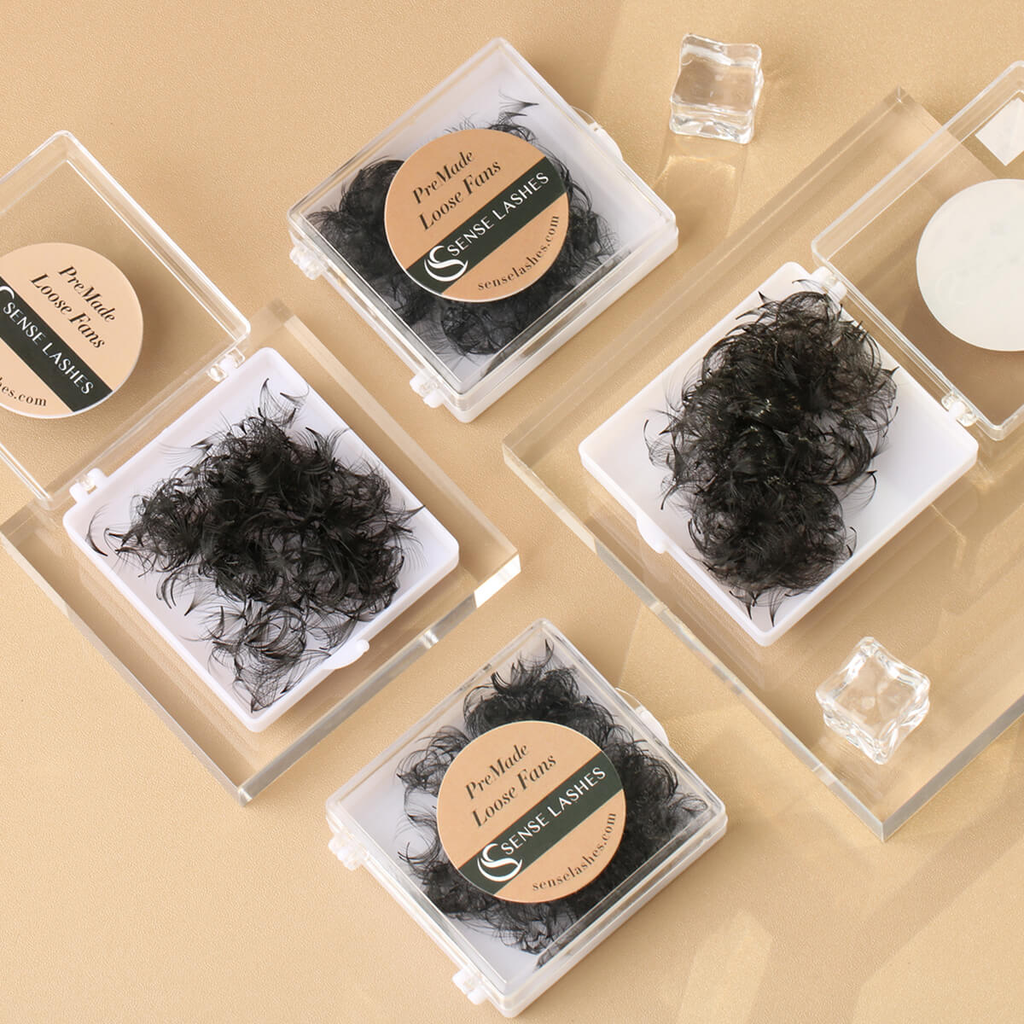
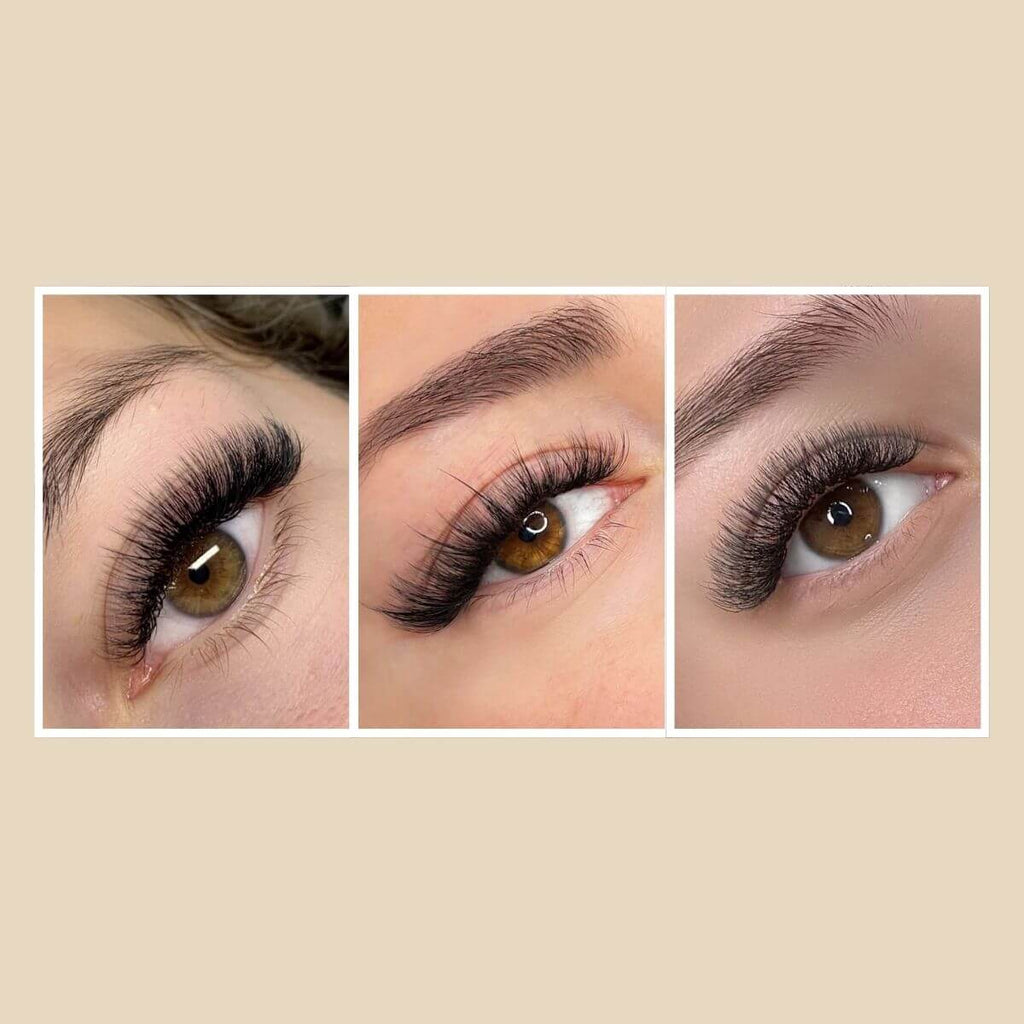
To protect the client's natural lash health, technicians should pivot toward ultra-lightweight fibers. Utilizing 0.03MM Cashmere Premium Mega Volume Eyelash Extensions or 0.05MM Cashmere Premium Mega Volume Eyelash Extensions allows the artist to maintain the desired density (Mega Volume) while significantly reducing the weight-load on the natural lash. These "Cashmere" fibers are engineered for flexibility, which is crucial when the natural lash is less resilient due to seasonal dryness.
Winter Aftercare: The "Hydration-First" Routine
The standard advice of "wash your lashes twice a day" can actually be counterproductive in the dead of winter. Over-cleansing with harsh, sulfate-heavy products can strip the eye's natural lipid layer, leading to Blepharitis (eyelid inflammation).
We suggest a modified "Winter Aftercare SOP" for your clients:
- Reduce Frequency, Maintain Quality: Advise clients to use a pH-balanced, hydrating foam cleanser once daily (preferably at night) rather than twice. This maintains hygiene without compromising the skin barrier.
- The "Water is Not Enough" Rule: Explain that water alone cannot remove the oily debris that accumulates. However, in winter, the focus must be on hydration. A peptide-based serum can help fortify the lash line.
- Gentle Grooming: Brushing is essential to prevent tangling, but brittle lashes require a soft touch. Provide clients with high-quality Clear Mascara Wands and instruct them to brush only from the mid-length to the tips to avoid tugging at the base.
- Preemptive Soothing: If a client has a history of Dry Eyes, suggest they use preservative-free artificial tears before their appointment and as part of their daily routine to stabilize the tear film.

Identifying and Managing Reactions
Despite the best protocols, some clients will experience sensitivity. It is the professional's responsibility to distinguish between a reaction to the service and a reaction to the environment.
According to the American Academy of Ophthalmology (AAO), risks include infection and trauma. If a client reports redness, the first step is to check for mechanical rubbing. A PMC case report on corneal abrasion noted that mechanical rubbing of extensions against the eye—often caused by poor placement or "drooping" lashes—is a common source of injury.
The Patch Test Protocol
For new winter clients, a 48-hour patch test is highly recommended. As noted in recent 2024 research on eyelid dermatitis, contact dermatitis patterns from acrylates can be delayed. By implementing a formal Pre-Service Screening, you protect both the client and your salon's liability.
Salon Sanitation and Compliance
Winter is also peak season for viral conjunctivitis. The CDC guidelines on preventing conjunctivitis emphasize that hand hygiene and the sterilization of multi-use tools are non-negotiable.
Furthermore, global distributors must be aware of evolving chemical regulations. The Health Canada 2023-2024 Enforcement Report highlights increasing scrutiny on cyanoacrylate-based adhesives. Using products that meet international safety standards is the only way to ensure your inventory isn't seized and your clients are protected from prohibited concentrations of formaldehyde.
Trust & Safety Sidebar: Always ensure your adhesive labels are compliant with local regulations (e.g., GHS/CLP). This transparency not only aids in import compliance but also builds significant trust with health-conscious clients.
Summary of Seasonal Adjustments
To ensure high retention and client comfort during the winter months, professionals should adopt the following heuristic: Lower the weight, slow the bond, and increase the hydration.
- Adhesive: Switch to a medium-viscosity, 1-2 second glue like the 1-2 Second Gold Eyelash Extension Glue to accommodate lower humidity levels.
- Fibers: Prioritize 0.03MM Cashmere Premium Mega Volume Eyelash Extensions to reduce mechanical stress on brittle lashes.
- Aftercare: Transition clients to a once-daily, pH-balanced cleansing routine using soft Clear Mascara Wands.
- Troubleshooting: Consult our guide on Cyanoacrylate Sensitivity to help clients understand the difference between seasonal dryness and a chemical allergy.
By positioning yourself as an expert who understands the science of the seasons, you transform a potential complaint into a demonstration of professional expertise. This proactive approach is what separates a standard lash technician from a premier industry leader.
Disclaimer: This article is for informational purposes only and does not constitute professional medical or legal advice. Eyelash extensions involve the use of chemicals near the eyes; always consult with a qualified health professional if you experience persistent irritation or allergic symptoms. Ensure all products used comply with your local health and safety regulations.
Sources
- CDC: Preventing Conjunctivitis
- Mayo Clinic: Blepharitis Symptoms & Causes
- American Academy of Ophthalmology: Eyelash Extension Safety
- PubMed: Allergic Contact Dermatitis from Cyanoacrylate (35674514)
- PMC: Ocular Surface Changes and Eyelash Extensions (11173262)
- Health Canada: Cosmetic Regulations Enforcement Report 2023-2024