


50D vs 60D Lashes: What These Density Labels Really Mean Before You Buy

Not sure what 60D vs 50D lashes really mean? These density labels can mislead. Know what specs to check before ordering for safe, professional lash results
The label can look clear until a lash artist asks what it actually measures. 60d vs 50d lashes may refer to visual density, fan dimension, or a retail style name. That difference matters before buying. For professional work, the number alone is never enough. Lash artists still need to check product type, diameter, base structure, intended use, and natural lash suitability.
Quick Comparison
| Factor | 50D Lashes | 60D Lashes |
|---|---|---|
| General look | Dense and full | Usually fuller and darker |
| Visual impact | Strong but slightly softer | Bolder and more dramatic |
| Common use | Glam or selected daily looks | Events, photos, or bold styling |
| Professional check | Diameter and product type | Diameter, base width, and structure |
| Buying rule | Do not judge by number alone | Confirm full specifications first |
The main difference is visual density. The safer professional choice depends on the full product details, not the D label alone.
What Does “D” Mean in 50D and 60D Lashes?
The letter “D” can mean different things across lash product categories. In professional lash extension work, it is often linked to dimension. Dimension means the number of fibers in one lash fan.
For example, a 5D fan contains five fine extension fibers joined at the base. A 10D fan contains ten fibers. This definition is common in volume and mega volume work.
However, 50D and 60D labels can appear in several product contexts. They may describe a dense visual style instead of a true professional fan count.

D Can Mean Dimension, Density, or Style
In professional lash extensions, D usually describes fan dimension. It tells the artist how many fibers are grouped in one fan.
In temporary lash products, the same letter may suggest density or fullness. It may describe how thick, dark, or bold the lash line appears.
In retail product names, D can also act as a style label. The number may help separate one look from another without showing the real fiber count.
That is why lash artists should not treat every D label the same way.
50D and 60D Are Not Always Fan Counts
A 50D label does not always mean one fan has exactly 50 fibers. A 60D label does not always mean one fan has exactly 60 fibers.
Before comparing 60d vs 50d lashes, confirm the product type first. The label may apply to:
● Strip lashes
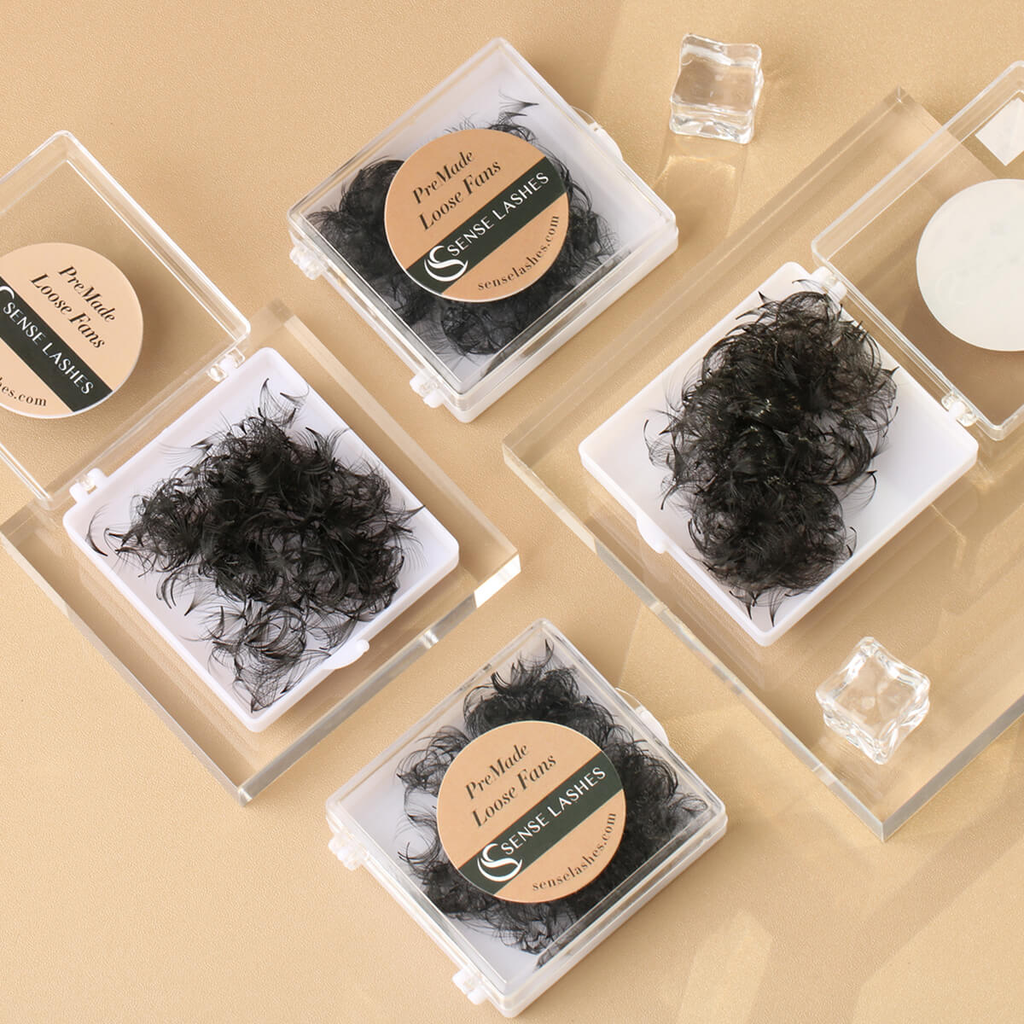
● Loose fans
● Professional mega volume fans
● Retail density styles
[[推荐产品1]]
Same number, different product type, different meaning.
If the listing does not explain the structure, treat the D label as a visual description rather than a complete technical specification.
60D vs 50D Lashes: The Practical Visual Difference
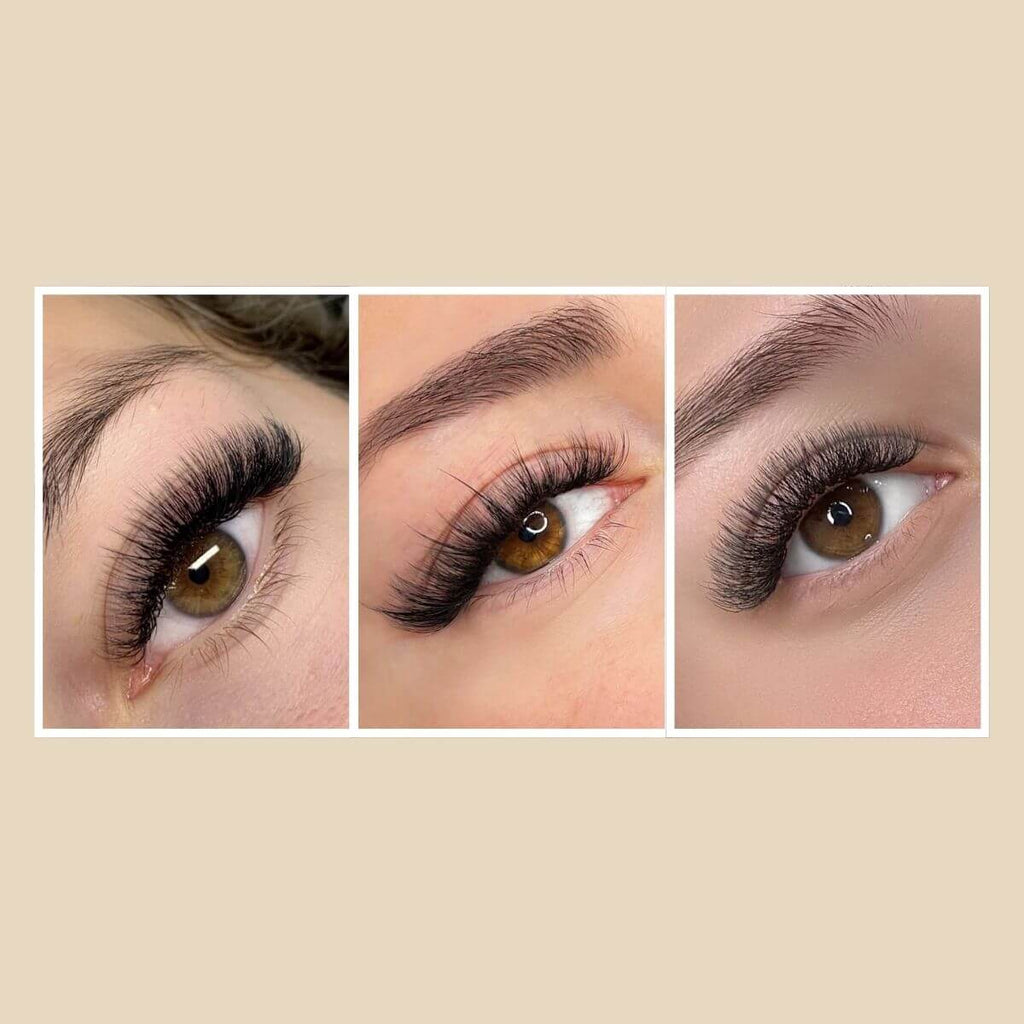
In many product descriptions, 60D suggests a denser or darker look than 50D. It may create a stronger lash line in photos or glam styling.
But the real visual result depends on more than the D label. Curl, length, diameter, fiber finish, fan spread, and base shape all affect the final look.
The table below gives a simple comparison for buying decisions. It should be used with full product specifications.
| Factor | 50D Lashes | 60D Lashes |
|---|---|---|
| Visual density | Dense and full | Usually fuller and darker |
| Style effect | Dramatic but slightly softer | More dramatic and bold |
| Daily wear | May suit selected glam clients | Better for bold styling or events |
| Photo effect | Strong lash line | Stronger visual impact |
| Professional concern | Needs specification check | Needs stricter specification check |
| Buying focus | Product type and diameter | Product type, diameter, and base control |
The higher number may suggest more fullness, but it does not prove better quality. A clearly specified 50D product can be easier to evaluate than a 60D product with limited technical details.
Use the D label to estimate visual fullness. Then confirm diameter, base width, and intended use before applying it in a professional set.
Why Lash Artists Should Be Careful With High Density Lash Labels
High density labels can be useful, but they need context. Lash artists should read them as a starting point, not a final decision.
Natural lash health should set the limit for professional application. Natural lashes vary in thickness, strength, growth stage, and direction.
Mega lashes can describe a dramatic visual look. Mega volume is more specific in professional use. It refers to volume work using very fine fibers and careful weight control.
For mega volume, diameter matters. Fine fibers help create fullness without making each fan too heavy.
Base control also matters. A wide, bulky, or uneven base can affect placement. It can also make isolation and direction harder to control.
Before using high density lashes, check:
● Whether the product is for professional extensions
● The fiber diameter
● The fan or lash structure
● The base width
● The base type
● The curl and length
● The intended service use
Client preference should not override natural lash condition. A client may request the darkest possible look, but the artist still decides what is suitable for the natural lashes.
How to Read 50D and 60D Lash Product Descriptions
A clear product description should explain more than the number. If 50D or 60D is the only strong detail, lash artists need more information before buying.
Check the Product Type First
Start with the product category. This is the fastest way to avoid confusion.
A 60D strip lash and a 60D professional fan cannot be compared in the same way. Their application methods, wear expectations, and service use are different.
Ask one basic question first: Is this for temporary wear or professional eyelash extension work?
If it is for professional work, check whether it is a premade fan, loose fan, or another extension format.
Check the Full Lash Specifications

Next, review the technical details. These details matter more than the dramatic number.
A useful listing should include:
● Diameter
● Curl
● Length
● Fan count or fiber structure
● Base width
● Base type
● Bonding method
● Intended use
● Application category
Diameter means the thickness of each lash fiber. Curl means the bend of the lash. Base width means the size of the area that attaches near the natural lash.
If key details are missing, pause before purchasing for professional use. The product may still have a strong visual look, but it is harder to assess for controlled lash extension work.
When High Density Lash Looks Make Sense
High density looks can work well in the right setting. They are often chosen when the goal is strong visual impact.
They may fit:
● Photoshoots
● Stage makeup
● Glam styling
● Special events
● Bold client requests
● Dramatic lash content
● Short term statement looks
For everyday wear, softer volume may give a cleaner result. A lighter density can look more balanced on clients who prefer natural makeup or professional settings.
The question “what size is best for mega volume lash extensions” does not have one fixed answer. The better question is what size fits the client’s natural lashes and the artist’s technique.
Mega volume choices should consider:
● Natural lash strength
● Fiber diameter
● Fan dimension
● Desired darkness
● Lash artist control
Fullness works best when the base, direction, and placement stay controlled.
How to Choose Between 50D and 60D Lashes Before Buying
A 50D or 60D label can help you compare visual direction. It cannot replace a professional buying checklist.
Before choosing, ask:
● Is the product for temporary wear or extensions?
● Does the description explain the real structure?
● What diameter is used?
● Is the base narrow, wide, flat, or pointed?
● Is the look for daily wear or event styling?
● Can the client’s natural lashes support the intended result?
● Can the artist isolate and place it cleanly?
For professional use, 60d vs 50d lashes should be compared by complete structure. Density alone cannot show weight, comfort, or suitability.
If the answers are clear, the D label becomes a useful visual reference. If the answers are unclear, request more details before using the product in a professional service.
Choose High Density Lash Labels With Context
Use 50D and 60D labels as visual clues, not complete buying rules. Check the product type, diameter, base structure, curl, length, and intended use before ordering. For mega lashes and mega volume work, match the density to natural lash strength and service goals. Build a buying checklist before comparing numbers, so each purchase supports safer styling and cleaner professional results.
FAQs
Q1. Are 60D Lashes Always Fuller Than 50D Lashes?
Usually, 60D suggests a fuller visual effect. The final look still depends on curl, length, fiber arrangement, and product type. A clear product description matters more than the number alone.
Q2. Does 50D or 60D Mean the Number of Fibers in One Fan?
Not always. In professional volume work, D can mean fan dimension. In retail or temporary lash categories, it may describe density, style, or visual fullness.
Q3. Are 50D and 60D Lashes the Same as Mega Volume?
No. Mega volume is a professional technique based on fine diameter, fan control, and safe weight selection. A high D label can look dramatic, but it does not automatically define professional mega volume.
Q4. What Size Is Best for Mega Volume Lash Extensions?
There is no single best size for every client. Lash artists should check natural lash strength, fiber diameter, fan dimension, and base width. The safest choice is the one that supports the client’s lashes and the target style.
Laissez un commentaire