


Inizio Guida ai prodotti per extension ciglia
Lo spettro degli occhi marroni: dalle sfumature ambrate alla profondità espresso

Lo spettro degli occhi marroni: arte tecnica avanzata per iridi dall’ambra all’espresso
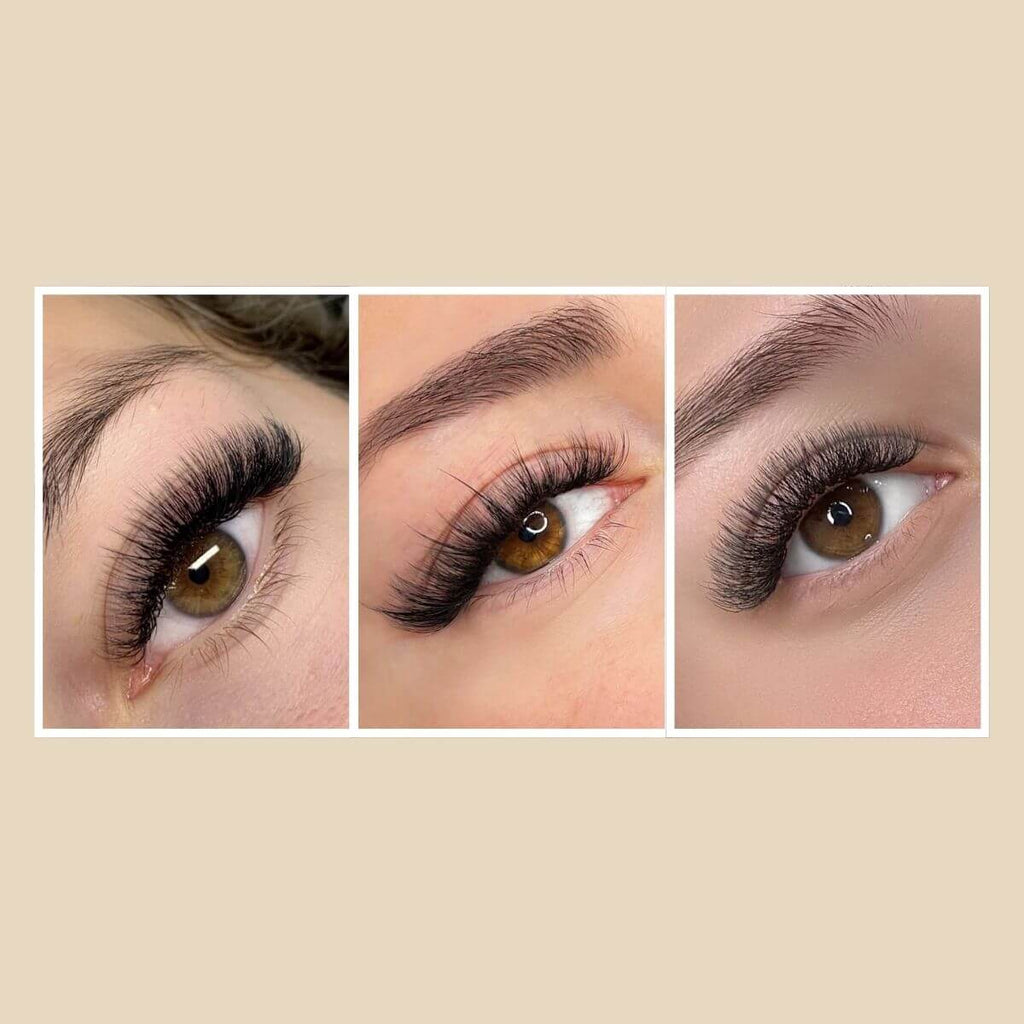
Nel mondo ad alto rischio dell’arte professionale delle extension ciglia, il passaggio da tecnico ad artista si definisce dalla capacità di cogliere le sfumature dove altri vedono uniformità. Sebbene le extension nere siano da tempo lo standard del settore, spesso non considerano le intricate strutture pigmentarie presenti nel colore dell’iride più comune al mondo: il marrone. Gli occhi marroni non sono un blocco unico; rappresentano un ampio spettro di proprietà di rifrazione della luce, dalla trasparenza dorata dell’ambra alla profondità assorbente dell’espresso.
Nel corso degli anni, grazie a feedback diretti dalla fabbrica e consulenze in salone, abbiamo osservato che l’errore più comune anche tra gli artisti esperti è usare una sola tonalità di ciglia "marroni" per tutte le clienti. Questo porta spesso a un aspetto "fangoso" o piatto, privo della vivacità di un set progettato su misura. Comprendendo l’anatomia oculare di base e applicando la teoria avanzata del colore, possiamo elevare un servizio standard a un’esperienza estetica personalizzata che favorisce la fidelizzazione della clientela e distingue il tuo brand.
Comprendere lo spettro dei pigmenti oculari
Il colore dell’iride umana è determinato dalla concentrazione e dalla distribuzione della melanina. In particolare, il rapporto tra eumelanina (marrone/nera) e feomelanina (rossa/gialla) crea la specifica "tonalità" di marrone che vediamo. Quando progettiamo i set di ciglia, stiamo di fatto gestendo il contrasto e l’armonia tra la fibra sintetica e questi pigmenti biologici.
Lo spettro caldo: ambra, miele e marrone dorato
Le clienti con occhi color ambra o miele possiedono una maggiore concentrazione di feomelanina. Alla luce naturale, queste iridi mostrano spesso "macchie" dorate o ramate. Usare una classica ciglia nero intenso può creare un effetto di "bordo netto", in cui l’alto contrasto fa sembrare l’occhio più piccolo e il colore naturale dell’iride meno brillante.
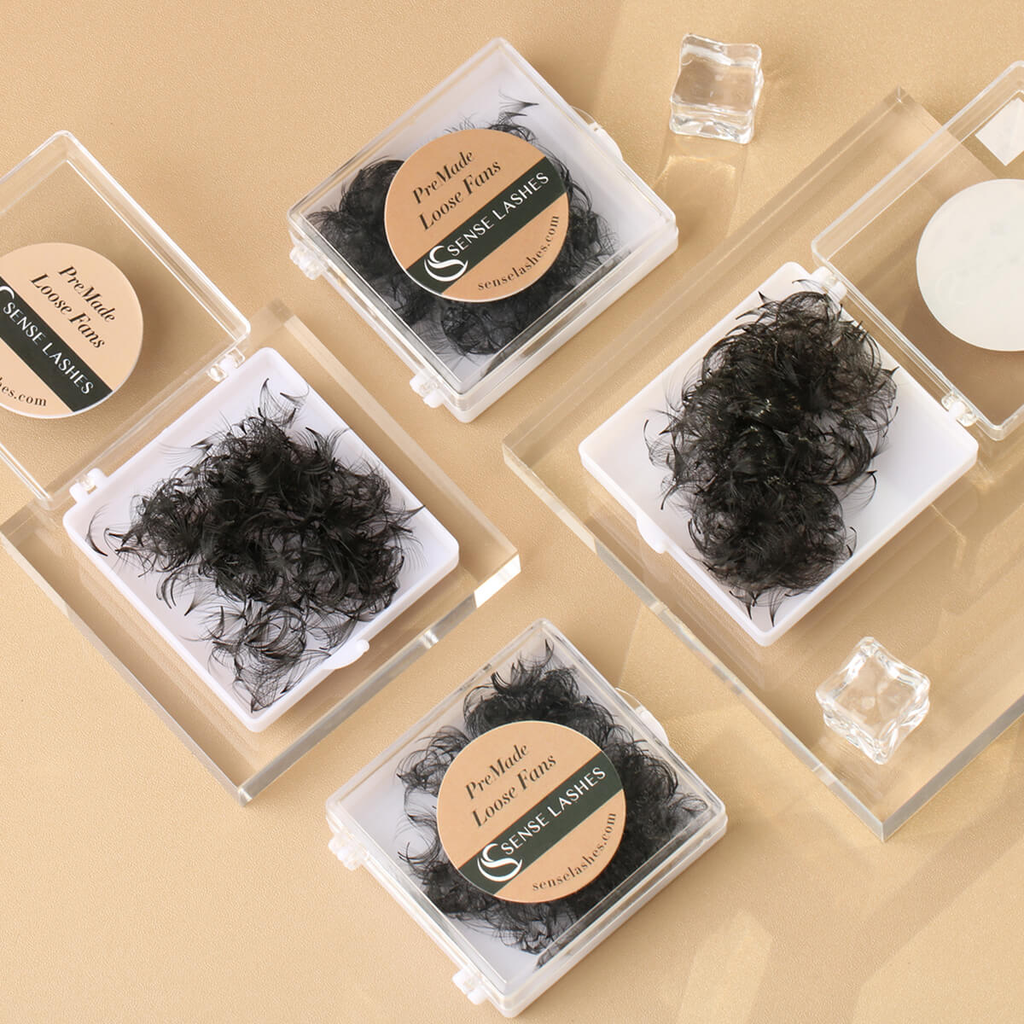
Per valorizzare questi toni caldi, consigliamo un posizionamento strategico di tonalità marrone più chiare. Ad esempio, usando Brown 8D PreMade Loose Fans - 0.07 - 500 Fans in una tonalità caramello o marrone chiaro si crea quello che chiamiamo effetto "cattura della luce solare". Posizionandole nella zona centrale della palpebra, si riproduce la naturale rifrazione della luce dell’iride.
Lo spettro freddo: espresso, cioccolato e marrone intenso
Gli occhi marrone scuro, che spesso in condizioni di scarsa illuminazione appaiono quasi neri, sono ricchi di eumelanina. Queste iridi richiedono profondità per mantenere la loro intensità. Un errore comune è usare un set completo di ciglia marrone chiaro, che può risultare "sbiadito" su incarnati profondi o iridi scure. Invece, una base di ciglia nere cashmere intervallata da un 10-20% di ventagli marrone intenso, come Brown 12D PreMade Loose Fans - 0.05 - 500 Fans, aggiunge una ricchezza multidimensionale che imita la complessità naturale dell’occhio.
Sintesi logica: l’euristica del 30% Sulla base dei nostri benchmark interni di styling e dei risultati comuni in salone, abbiamo sviluppato la "Regola del 30%". Questa euristica suggerisce che i colori accentati (incluse le varie tonalità di marrone) non dovrebbero superare il 30% del totale delle ciglia per mantenere un look professionale e portabile. In questo modo il design resta ancorato a un’estetica naturale, offrendo al tempo stesso abbastanza "impatto" da farsi notare.

Specifiche tecniche: adesivi e scienza della fibra
La chimica delle ciglia colorate differisce leggermente da quella delle classiche ciglia nero carbonio. Il processo di pigmentazione delle fibre in PBT (Polibutilene tereftalato) può talvolta alterare l’energia superficiale della ciglia, influenzando il modo in cui l’adesivo si lega.
Scelta dell’adesivo e bilanciamento del pH
Storicamente, ricerche come lo studio di Amano et al. (2012) hanno evidenziato che molti primi adesivi per extension erano acidi e rilasciavano livelli significativi di formaldeide, causando cheratocongiuntivite. Nell’ultimo decennio, la produzione si è evoluta. Da SenseLashes, ci concentriamo su formulazioni a pH neutro che mitigano questi rischi.
Per le ciglia colorate, in genere otteniamo risultati migliori con un adesivo leggermente più lento nell’asciugatura. Un tempo di asciugatura di 1-2 secondi, come quello del nostro 1-2 Second Gold Eyelash Extension Glue, consente all’artist di ottenere un avvolgimento perfetto intorno alla ciglia naturale. Questo è fondamentale perché le fibre colorate possono talvolta essere meno porose di quelle nero carbonio, richiedendo una tecnica di adesione più accurata.
Gestione dei rischi chimici
Secondo l’American Academy of Ophthalmology (AAO), i principali rischi associati alle extension includono infezioni della palpebra o della cornea e reazioni allergiche. Un recente studio del 2024 sui cosmetici contenenti acrilati sottolinea che i pattern di dermatite da contatto possono presentarsi in ritardo, talvolta da 48 a 72 ore dopo l’esposizione.
Per proteggere la tua attività e le tue clienti, consigliamo un rigoroso "Protocollo di Patch Test". Non è solo un controllo di sicurezza; è un confine professionale che ti afferma come fornitore ad altissimo livello di E-E-A-T.
| Parametro | Valore/Intervallo | Unità | Motivazione |
|---|---|---|---|
| Tempo di asciugatura dell’adesivo | 1 - 2 | Secondi | Ottimale per l’avvolgimento della fibra PBT |
| Umidità della stanza | 48 - 70 | % | Consigliata per la stabilità del cianoacrilato |
| Rapporto ciglia accento | 10 - 30 | % | Euristica per una dimensione dall’aspetto naturale |
| Durata del patch test | 24 - 48 | Ore | Basata su ricerche sulla dermatite ritardata |
Salute oculare: prevenire blefarite e danni meccanici
Un’arte avanzata non ha senso se compromette la salute della ciglia naturale o della superficie oculare. Come professionista, devi saper spiegare alle tue clienti perché l’igiene è una parte non negoziabile della loro routine di bellezza.
L’argomento "Prevenzione della blefarite"
Molte clienti evitano di lavare le ciglia, temendo che cadano. Tuttavia, la Mayo Clinic osserva che la blefarite—infiammmazione delle palpebre—è spesso causata da un accumulo di batteri o da ghiandole sebacee ostruite alla base delle ciglia. Nel settore delle extension, questo è spesso aggravato dagli "acari delle ciglia" (Demodex). Le ricerche sull’infestazione da acari Demodex dimostrano che l’igiene quotidiana con una schiuma detergente specializzata è essenziale per mantenere sia il follicolo della ciglia naturale sia l’integrità del legame dell’extension.
Proteggere il film lacrimale
Recenti indagini del 2024 riguardo alle malattie della superficie oculare suggeriscono che l’uso prolungato delle extension può alterare il microbioma della superficie oculare e la stabilità del film lacrimale. Ecco perché sosteniamo l’uso di ventagli leggeri. L’utilizzo di diametri da 0.05mm o 0.07mm, come Brown 10D PreMade Loose Fans - 0.07 - 500 Fans, riduce il carico meccanico sulla palpebra, prevenendo il "cedimento" che può portare a disfunzione delle ghiandole di Meibomio.

SOP di sanificazione del salone: un benchmark professionale
Per allinearsi alle linee guida CDC sulla prevenzione della diffusione della congiuntivite, ogni salone dovrebbe operare secondo una rigorosa Standard Operating Procedure (SOP). Questo convalida l’uso di materiali monouso e della sterilizzazione di livello medicale.
- Igiene delle mani: Lavare le mani con acqua e sapone prima e dopo ogni cliente.
- Politica monouso: Usare per ogni sessione patch oculari, scovolini mascara e anelli per colla nuovi.
- Sterilizzazione degli strumenti: Le pinzette devono essere pulite con un pulitore a ultrasuoni e poi trattate in un autoclave di grado medicale o con un disinfettante di alto livello.
- Screening della cliente: Se una cliente presenta arrossamento, secrezioni o croste, il University of Waterloo Eye Institute raccomanda di rinviare il trattamento per evitare contaminazione incrociata e ulteriore irritazione.
Scenari di mapping per occhi marroni
Per mettere in pratica queste teorie, considera questi due scenari comuni di clienti che vediamo nei lash studio di fascia alta.
Scenario A: "Golden Hour" (occhi ambra/miele)
- Obiettivo: Esaltare calore e trasparenza.
- Mapping: Usa un mapping "Kitten" o "Doll Eye".
- Selezione delle ciglia: Base al 70% in Dark Brown 0.07mm. 30% Brown 8D PreMade Loose Fans - 0.07 - 500 Fans in una tonalità caramello più chiara posizionata negli strati 2 e 3.
- Risultato: I ventagli più chiari agiscono come "highlight", rendendo più evidenti le sfumature dorate dell’iride.
Scenario B: "Espresso Depth" (occhi marrone scuro/neri)
- Obiettivo: Creare una texture ricca e vellutata senza risultare pesante.
- Mapping: Hybrid testurizzato o Volume Wispy.
- Selezione delle ciglia: Base all’80% in Black Cashmere. 20% Brown 12D PreMade Loose Fans - 0.05 - 500 Fans usati come "spikes" o riempitivi di texture.
- Risultato: I ventagli marroni spezzano la linea nera uniforme, aggiungendo una dimensione sofisticata che appare naturale anche sotto una forte luce da ufficio.
Garanzia di qualità e conformità globale
Per i proprietari di saloni che vogliono crescere, l’approvvigionamento dei prodotti è una questione di sicurezza legale e finanziaria. I report di Health Canada (2023-2024) indicano un alto tasso di non conformità per quanto riguarda l’etichettatura e la composizione chimica degli adesivi importati.
Scegliere un partner diretto di fabbrica come SenseLashes assicura che il tuo inventario soddisfi gli standard internazionali di sicurezza, incluse le normative FDA sulla sicurezza dei cosmetici per gli occhi. Questa trasparenza è ciò che ti permette di promuovere i tuoi servizi come "premium" e "sicuri," giustificando prezzi più alti e costruendo fiducia a lungo termine con la clientela.
Per ulteriori approfondimenti sull’abbinamento dell’estetica ai tratti della cliente, consulta la nostra guida su Abbinare la rifinitura delle ciglia ai toni della pelle e all’età della cliente.
Riepilogo dei punti chiave professionali
- Valuta il sottotono: Identifica se l’iride marrone è calda (ambra) o fredda (espresso) prima di scegliere la tua palette di ciglia.
- Dai priorità alla salute oculare: Usa la narrazione "Prevenzione della blefarite" per vendere l’aftercare. L’igiene è la chiave della fidelizzazione.
- Bilancia la chimica: Usa adesivi bilanciati nel pH e concedi tempi di asciugatura leggermente più lunghi quando lavori con fibre PBT colorate.
- Mantieni la conformità: Usa solo prodotti che soddisfano gli standard di sicurezza FDA e internazionali per proteggere il tuo salone da responsabilità.
Padroneggiando lo spettro degli occhi marroni, non stai solo applicando ciglia; stai eseguendo un miglioramento cosmetico tecnico che rispetta la complessità biologica della cliente. Questo è il marchio distintivo di un’artista di lash di livello superiore.
Disclaimer: Questo articolo ha solo scopo informativo e non costituisce consulenza medica o legale professionale. Consulta sempre un operatore sanitario qualificato per dubbi sulla salute degli occhi e verifica le normative locali su licenze e requisiti di igiene nella tua giurisdizione.
Fonti
- Centers for Disease Control (CDC) - Prevenzione della congiuntivite
- Mayo Clinic - Panoramica sulla blefarite
- American Academy of Ophthalmology (AAO) - Sicurezza delle extension ciglia
- FDA - Sicurezza dei cosmetici per gli occhi
- PubMed - Studio di Amano et al. (2012) sulla formaldeide
- PMC - Malattia della superficie oculare ed extension (2024)