


Can a Lash Lift Damage Your Natural Lashes? How to Avoid Overprocessing

Too curly isn’t always better. Get clear lash lift damage prevention tips—shield choice, processing time, and aftercare for healthy results.
A lash lift can damage natural lashes when they are overprocessed. With an appropriate shield, precise processing time, and careful aftercare, a professional lash lift can support a smooth, natural-looking curl.
Can a Lash Lift Damage Your Natural Lashes?
A correctly performed lash lift should reshape natural lashes without leaving them brittle, overly curled, or visibly kinked. During the service, lifting and setting solutions temporarily change bonds within the lash hair so it can hold a new shape. Chemical processing time and formula strength matter because longer exposure can change keratin fibers more extensively. Research on thioglycolate-treated hair found structural changes in the cuticle and cortex, which is why following a product’s timing instructions is essential.
It is also important to separate lash-hair concerns from eye-area symptoms. Redness, swelling, rash, pain, or ongoing irritation are not normal “settling” after a cosmetic eye treatment. Contact a qualified medical professional promptly if these occur.
Why Does Lash Lift Overprocessing Happen?
Overprocessing happens when the lashes receive more chemical action than their condition, thickness, or prior treatment can handle. The result is usually a curl that looks too tight, dry, bent, or disorganized.
Common causes include:
- Leaving the lifting solution on too long.
- Using one processing time for every lash type.
- Applying solution too close to the tips, where lashes are often finer.
- Re-lifting lashes before they have completed a normal growth cycle.
- Using a shield that is too small for the desired curl and lash length.
- Working on lashes weakened by prior chemical services, rubbing, or aggressive makeup removal.
- Failing to isolate, align, or fully control the natural eyelashes on the shield.
A small shield is not automatically wrong, but it creates a more dramatic bend. The shield should match the client’s lash length, growth direction, lid shape, and desired result.
What Are the Signs of Overprocessed Lashes?
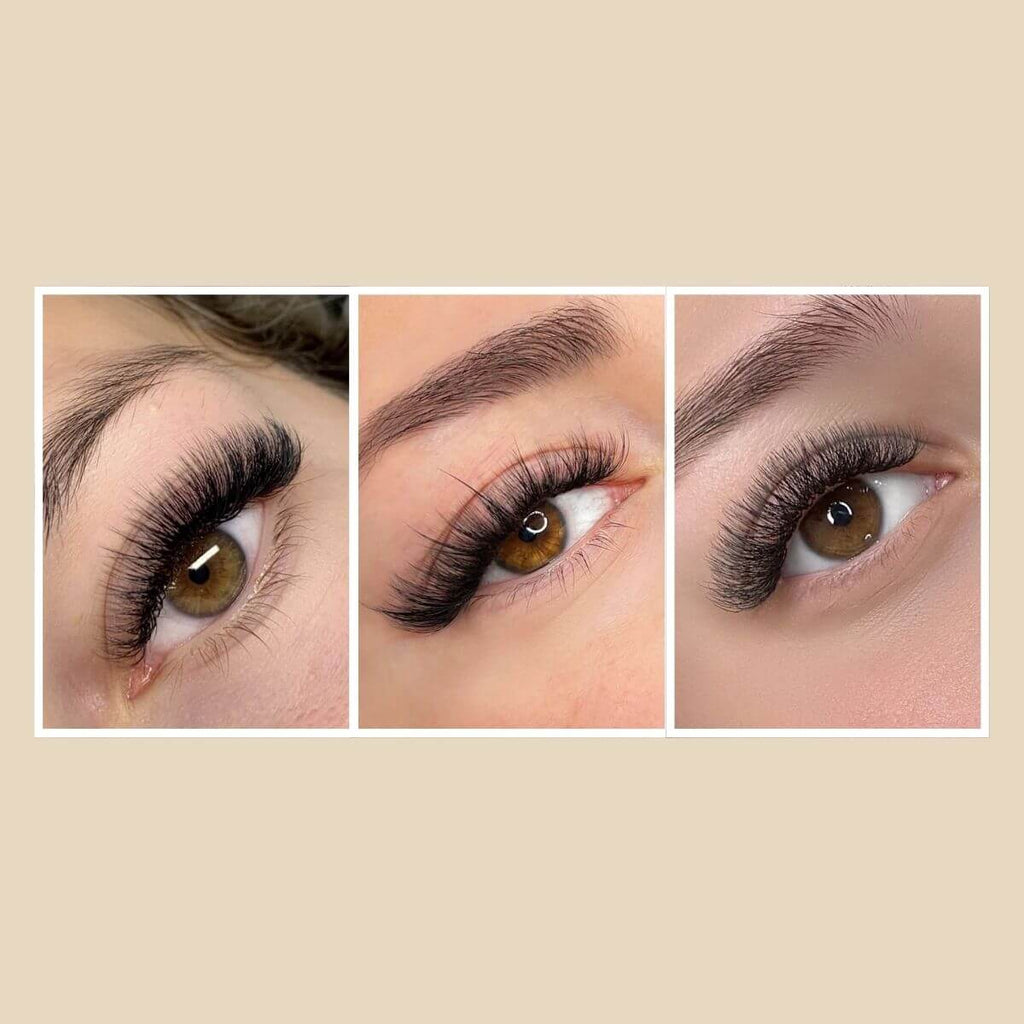
Overprocessed lashes often look noticeably different from a strong but healthy lift. A normal lift creates an even upward curve that softens gradually toward the tips. Overprocessed lashes can look crimped, tightly curled against the lid, crossed, frizzy, or bent at inconsistent angles.
Other possible signs include a rough-looking surface, lashes that no longer align easily after cleansing, and an effect that becomes less tidy instead of simply relaxing as new lashes grow in. Uneven placement can also create an uneven result without true overprocessing, especially if some lashes slipped or were not fully straightened onto the shield.
Clients should avoid trying to correct a poor result at home with another perming product or mechanical lash curler. That can add stress to already compromised natural lashes.

How Can Lash Artists Reduce the Risk of Lash Damage?
The most reliable prevention method is to treat each lash lift as a custom service. A professional should assess the natural eyelashes before selecting products, shield shape, and timing.
Check the Starting Condition
Ask about recent lifts, tinting, eye sensitivity, medications, and existing irritation. Look for lashes that are very fine, dry-looking, unevenly directed, or previously overcurled. If the lash condition does not support a service, postponing it is the better decision.
A patch test can help identify a possible sensitivity, though it cannot guarantee that no reaction will occur. Because lash lift solutions are used close to the eye, services should be performed by an appropriately trained professional, not attempted as a DIY procedure. Cleveland Clinic’s safety overview also advises using a certified beauty professional and highlights the possibility of allergy and eye-area irritation.
Control Placement and Timing
Apply products only where the formula is intended to act, typically avoiding the root area and fragile lash tips unless the manufacturer instructs otherwise. Follow the exact timing for the product system, then adjust within the approved range based on the client’s lash characteristics.
Do not combine steps or timing directions from different systems. Consistent application, clean tools, and thorough lash alignment all help create a more even result.
Match the Shield to the Desired Effect
Shield shape and size affect the final lift. Longer natural lashes or clients who want a soft, open curl often need a larger or rounder option. A smaller shield can create a tighter curl and may look too dramatic on long lashes.
Keeping multiple sizes on hand gives artists room to customize. A set of round lash lift shields offers sizes from XS to XL, giving lash artists more flexibility to match the shield to the client’s natural lash length and desired curl.
How Should You Care for Natural Lashes After a Lash Lift?
Aftercare cannot reverse overprocessing, but gentle habits can limit avoidable stress while the lifted lashes grow out.
- Follow the aftercare instructions for the specific system used by your artist.
- Avoid rubbing, pulling, or repeatedly curling the lashes.
- Use a gentle eye-area cleanser and remove makeup without scrubbing.
- Brush lashes lightly with a clean spoolie once they are dry and settled.
- Pause additional chemical services until the artist confirms the lashes are suitable.
- Seek medical advice for eye pain, persistent redness, swelling, discharge, or vision changes.
A nourishing lash serum may be appropriate if it is designed for use around the eye and does not conflict with the artist’s aftercare instructions. It can condition the lash area, but it cannot instantly repair a lash hair that has already been chemically overprocessed.

Shampoo per ciglia | Detergente schiumoso 1 gallone USA
Quantità: 1,05 galloni statunitensi di shampoo Lash + 2 bottiglie di shampoo vuote

Choose Lash Lift Supplies That Support Better Results
Better lash lift results come from a careful, customized process. Shield selection, clean application, controlled processing time, and proper aftercare all help protect the look and condition of natural lashes.
If a client’s lashes seem dry, kinked, or overly curled after a service, do not attempt another lift at home. Encourage them to pause chemical treatments, follow a gentle lash-care routine, and schedule an assessment with a qualified lash artist before making any correction.

FAQs
Q1. How Long Does It Take for Natural Lashes to Recover From Overprocessing?
Overprocessed lashes cannot be fully restored in the same way healthy new growth can replace them. The visible result usually improves gradually as lashes shed naturally and new lashes grow in, which can take several weeks to a few months. Avoid another chemical lift until a qualified lash artist assesses the lashes.
Q2. Can You Fix an Uneven Lash Lift?
Sometimes, but correction should be assessed by an experienced lash artist. Uneven direction from poor placement may be addressed differently from lashes that are already overprocessed. Do not attempt a second lift or reversal treatment at home.
Q3. Why Do Some Lash Lift Results Look Too Curly?
A too-curly result often comes from a shield that is too small, excessive processing, or lashes being placed too far over the shield’s curve. It can also look stronger on long natural lashes because more lash length follows the curve. The best correction depends on whether the lashes are healthy and merely overcurled or chemically compromised.
Q4. Can You Use Lash Serum After a Lash Lift?
Yes, if the serum is intended for the eye area and your artist confirms it fits the service’s aftercare instructions. Wait for the recommended initial aftercare period before applying it. Stop using it and seek advice if it causes stinging, redness, or irritation.
Q5. What Should You Avoid After a Lash Lift?
Avoid rubbing, pulling, waterproof makeup that requires heavy removal, and using a mechanical lash curler on freshly lifted lashes. Also avoid booking another chemical lash service too soon. Follow the timing and product-specific guidance from your lash artist, since aftercare instructions can differ by system.
Lascia un commento