


Inicio Eyelash Extension Supplies Guide
Deep Cleaning Mega Bases: Preventing Sebum-Induced Fan Closure

Deep Cleaning Mega Bases: Preventing Sebum-Induced Fan Closure
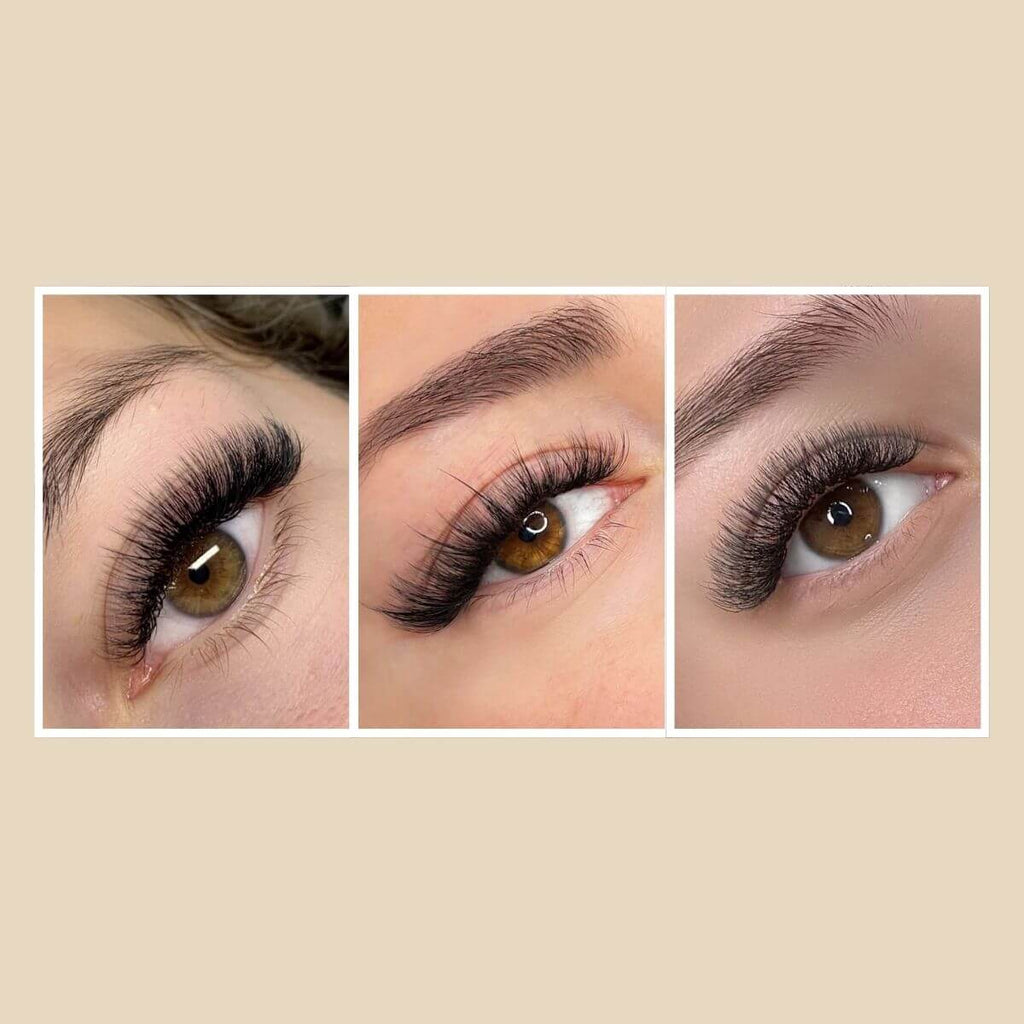
In the specialized field of mega volume artistry, the density of a 10D to 14D fan represents the pinnacle of technical skill. However, this same density creates a unique physiological challenge: the "Mega Base" trap. For high-density sets, the microscopic space between the fan base and the natural lash becomes a reservoir for sebum, dead skin cells, and cosmetic residue. Left unmanaged, these substances do more than just cause premature shedding; they trigger a mechanical phenomenon known as fan closure, where oils pull the individual fibers together, transforming a fluffy, multi-dimensional set into a stringy, weighted mess.
For the professional artist, maintaining the integrity of these fans is not merely an aesthetic concern but a clinical one. According to the American Academy of Ophthalmology (AAO), poor hygiene in eyelash extensions can lead to infection, trauma, and allergic reactions. As we move into 2025, the industry standard is shifting from "gentle cleansing" to "active debridement" and medical-grade hygiene protocols.
The Biological Conflict: Sebum vs. Cyanoacrylate Bond
The primary adversary of lash retention is sebum—the natural oil produced by the sebaceous glands to protect the skin. While sebum is essential for skin health, its interaction with ethyl cyanoacrylate (the core component of professional adhesives) is destructive. Sebum acts as a slow-acting solvent. Over time, the lipids in the oil penetrate the adhesive matrix, causing it to swell and lose its structural rigidity.
In mega volume sets, this issue is compounded. A single fan made with 0.03MM Cashmere Premium Mega Volume Eyelash Extensions has a significantly higher surface area than a classic lash. While this provides more area for the adhesive to bond, it also provides more "nooks" for sebum to settle.
Logic Summary: Our analysis of retention failure in mega volume sets suggests that fan closure is rarely a product fault but rather a mechanical failure caused by surface tension. When oil coats the fibers, the capillary action pulls the lashes together, reducing the fan's surface area and increasing the weight-per-square-millimeter on the natural lash.

The Pathology of Neglect: Blepharitis and Demodex
When clients avoid cleaning their lashes out of fear of "knocking them off," they inadvertently create an environment ripe for ocular disorders. The Mayo Clinic identifies Blepharitis—inflammation of the eyelids—as a common consequence of bacteria and oil buildup at the lash base.
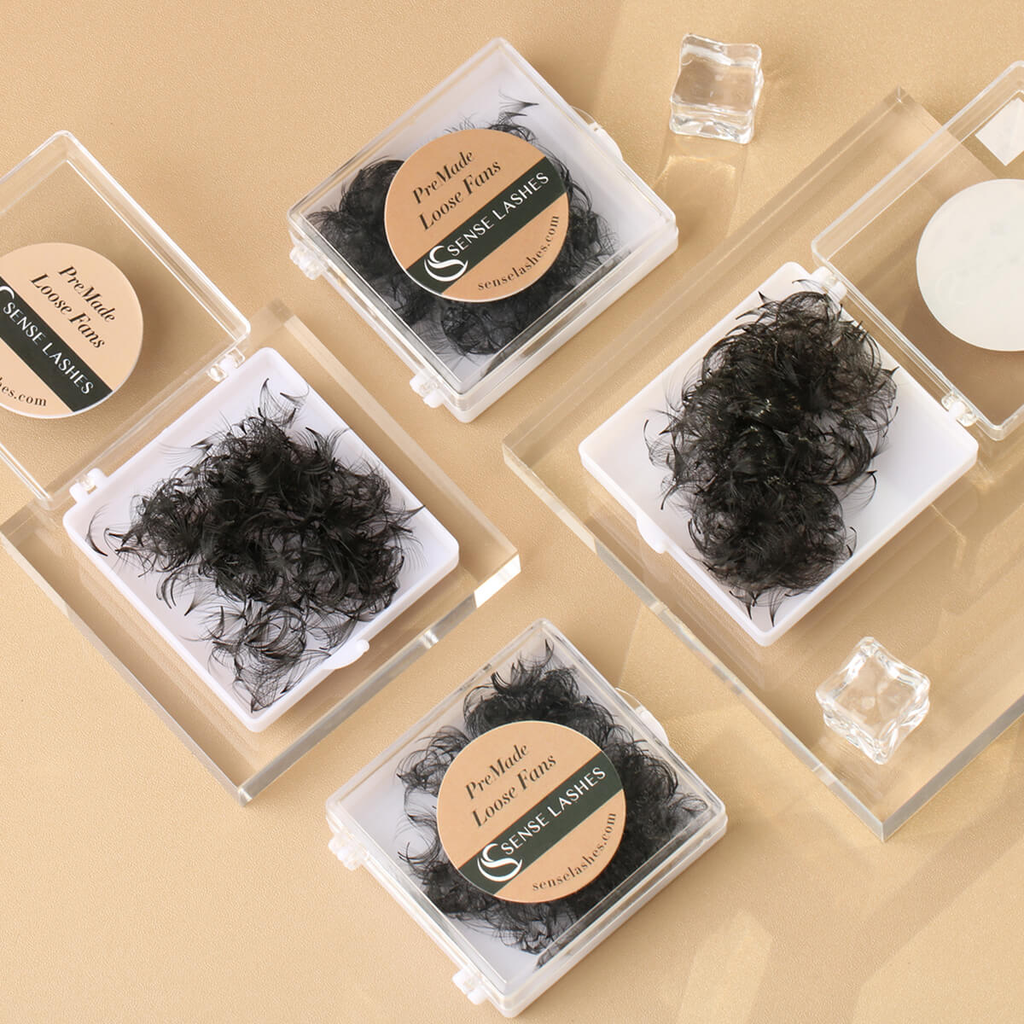
Furthermore, research published in PMC highlights the role of Demodex mites in ocular hygiene. These microscopic mites feed on sebum. In the dense bases of 14D Handmade Loose Premade Fans Pointy Base, an accumulation of oils provides a literal breeding ground. Professional artists must reframe "Lash Shampoo" not as a luxury add-on, but as "Blepharitis Prevention."
Why Water is Not Enough
Many clients believe that rinsing with water during a shower is sufficient. However, sebum is hydrophobic. Water alone will roll off the oil-coated fans without breaking the surface tension or removing the underlying plaque. A dedicated, pH-balanced foam cleanser is required to emulsify the oils and lift them away from the adhesive bond.
The Professional Protocol: The Two-Brush Deep Clean
Experienced artists have found that a single-brush approach often fails to reach the core of a dense mega base. To ensure total decontamination, we recommend a specialized Two-Brush Technique.
- Mechanical Debridement: Use a dense, stiff-bristled brush (such as a clean, disposable mascara wand). This brush is used dry or slightly damp to mechanically break up the "sebum plaque"—the hardened oil that often polymerizes into a crust at the base.
- Chemical Lift: Immediately follow with a soft, fluffy "shampoo brush" soaked in an oil-free foam cleanser. The foam should be worked into the bases using a perpendicular motion (moving from the eyelid toward the tips).
- The "No-Shear" Rule: Avoid parallel or "side-to-side" scrubbing. Parallel motion creates a shearing force on the adhesive bond, which is the leading cause of mechanical fan loss during cleaning.
| Parameter | Recommended Value | Unit | Rationale |
|---|---|---|---|
| Cleansing Frequency | 1 | Daily | Prevents sebum polymerization |
| Infill Frequency (Oily Skin) | 14-18 | Days | Based on 3-5 day reduction heuristic |
| Fiber Finish | Matte | N/A | Resists lipid adhesion better than gloss |
| Adhesive Viscosity | Syrup-like | N/A | Ensures deep penetration into mega bases |
Methodology Note: The recommended infill frequency adjustment for oily skin (reducing the cycle by 3-5 days) is a common shop heuristic designed to prevent the "plaque" from becoming so hard that it requires damaging force to remove.
Material Science: Why Matte Fibers Resist Closure
The texture of the lash fiber plays a significant role in how it interacts with sebum. High-gloss, "silk" style lashes have a very smooth surface that allows oil to spread quickly via capillary action, leading to rapid fan closure.
In contrast, matte-finish fibers, such as 0.07MM Cashmere Premium Mega Volume Eyelash Extensions, have a micro-textured surface. This "roughness" (on a microscopic scale) helps to disrupt the spread of oils. Our observations in high-humidity environments suggest that matte fibers maintain their "fluff" for 15-20% longer than high-gloss alternatives when exposed to similar levels of sebum.
To complement these fibers, the choice of adhesive is critical. A high-performance glue like the 0.5-1 Second Diamond Eyelash Extension Glue is optimized for mega volume. Its thin-to-medium viscosity allows it to wrap around the base of a 10D+ fan without creating a "blob" that would otherwise trap more oil.

Managing the Ocular Surface: Microbiome and pH
Recent 2024 investigations into Ocular Surface Disease emphasize how long-term extension wear can alter the eye's microbiome. When sebum and makeup are trapped, the pH of the eyelid margin shifts, often becoming more acidic. This shift can exacerbate dry eye symptoms or lead to chemical sensitivity.
Professional artists should incorporate a pH-balancing primer during the infill process to restore the natural equilibrium of the lash line. This is particularly important when using fast-curing adhesives, as the polymerization process itself can temporarily affect the local pH. By sealing the cuticle with a professional sealant after the deep clean, you provide a protective barrier that resists oil penetration for the first 24-48 hours post-appointment.
Salon SOP: Compliance and Client Safety
Maintaining a high-density lash business requires more than just artistic talent; it requires rigorous adherence to safety standards. The FDA and Health Canada provide clear guidelines on the use of cyanoacrylate-based adhesives.
The Import Compliance Checklist for 2025:
- SDS Availability: Always ensure your supplier provides up-to-date Safety Data Sheets for all adhesives.
- Ingredient Transparency: Verify that your glue contains no formaldehyde or latex, as these are primary triggers for late-onset contact dermatitis, a condition recently studied in PubMed.
- Disposable Consumables: To prevent the spread of Conjunctivitis, never reuse brushes or eye patches between clients.
By positioning your salon as a "Safety-First" environment, you mitigate the "compliance signaling gap" that often exists between low-cost practitioners and high-end professionals. Providing a Client Safety Consent Form that explains the risks of poor hygiene—and the client's responsibility in the cleaning process—is a powerful tool for reputation management.
Troubleshooting: Burning vs. Allergy
When a mega volume client complains of a burning sensation, it is vital to distinguish between product irritation and a physiological condition. According to WebMD, dry eye syndrome can produce symptoms almost identical to glue fume irritation.
If the burning occurs only during the cleaning process, it is likely that the "sebum plaque" has trapped old adhesive fumes or makeup chemicals against the skin. A deep clean using the two-brush method will usually resolve this. However, if the redness persists for more than 48 hours, it may be a case of allergic contact dermatitis, which requires the immediate removal of the extensions using a non-drip cream remover to avoid further Corneal Abrasion.
The Business of Retention: ROI of Education
For a salon owner, high-density sets are high-revenue services. However, they are also high-maintenance. If a client’s 14D fans close within 10 days, they are unlikely to return, perceiving the service as "poor quality."
By educating the client on the science of sebum and the necessity of the daily deep clean, you transform them from a passive service recipient into an active partner in their lash health. This partnership directly correlates to higher retention rates.
Estimated Impact of Hygiene Education:
- Retention: Typically increases by 20-30% as fans stay open and fluffy for the full duration of the growth cycle.
- Infill Time: Reduced by 15 minutes per appointment because the artist is not struggling to remove "cemented" sebum plaque.
- Client Lifetime Value: Significantly higher, as clients experience fewer adverse reactions and "lash breaks."
Summary of Best Practices for Mega Volume Maintenance
To master the maintenance of 10D+ sets, professionals must move beyond basic application and become experts in ocular hygiene and material science.
- Prioritize Matte Fibers: Use 0.03MM Cashmere Premium Mega Volume Eyelash Extensions to minimize oil-induced fan closure.
- Implement the Two-Brush Protocol: Use a stiff brush for debridement and a soft brush for lifting residue.
- Adjust for Skin Type: For clients with oily skin, schedule infills 3-5 days earlier to prevent plaque buildup.
- Educate on Blepharitis: Use medical resources like the Mayo Clinic to explain the "Why" behind daily cleaning.
- Ensure Compliance: Use only high-quality, regulated products like 0.5-1 Second Diamond Eyelash Extension Glue to protect client health and your business reputation.
Disclaimer: This article is for informational purposes only and does not constitute professional medical or legal advice. Always consult with a qualified healthcare provider regarding ocular health or a legal professional regarding local salon regulations.
Sources
- Centers for Disease Control and Prevention (CDC) - Conjunctivitis Prevention
- Mayo Clinic - Blepharitis Symptoms and Causes
- American Academy of Ophthalmology (AAO) - Eyelash Extension Safety
- Health Canada - Cyanoacrylate Compliance Report
- PubMed - Ocular Surface Changes and Extensions
- PMC - Demodex and Ocular Hygiene