


Korean Lash Lift vs. Traditional Lash Lift: What’s the Difference?

Choose your best lash lift match. Korean vs traditional lash lifts explained with placement control, curl style, shield size, and expected wear.
A lash lift reshapes natural lashes to create a more lifted, open-eyed look. Korean and traditional lash lifts use similar chemistry, though they differ in lash placement, shield use, and styling control. Korean techniques usually allow more adjustment during the service, while traditional techniques build the curl around a shield from the beginning.
How Are Korean and Traditional Lash Lifts Different?
The main difference is the order of the shaping steps. Korean lash lifts often allow the artist to soften and arrange the lashes before setting the final curl. Traditional lash lifts usually secure the lashes to a curved silicone shield first.
Traditional Lash Lift
A traditional lash lift places the natural lashes onto a curved silicone shield early in the appointment. The shield sets the direction and curl pattern while the lifting and setting solutions process.
This method works well for clients who want an even curl across the lash line. The shield size and shape control how soft, rounded, or lifted the final result looks.
Korean Lash Lift
A Korean lash lift gives the artist more room to adjust lash direction before the final shape is set. The lashes may first be softened and arranged, then moved onto a curved shield to create the finished lift.

This can work especially well for natural lashes that point downward, cross over, or grow in several directions. It also allows detailed control over root lift, separation, and curl placement.
Both methods temporarily reshape the lashes, but they differ in how the artist controls lash direction, root lift, and the final curl shape.

How Do the Results Look Different?
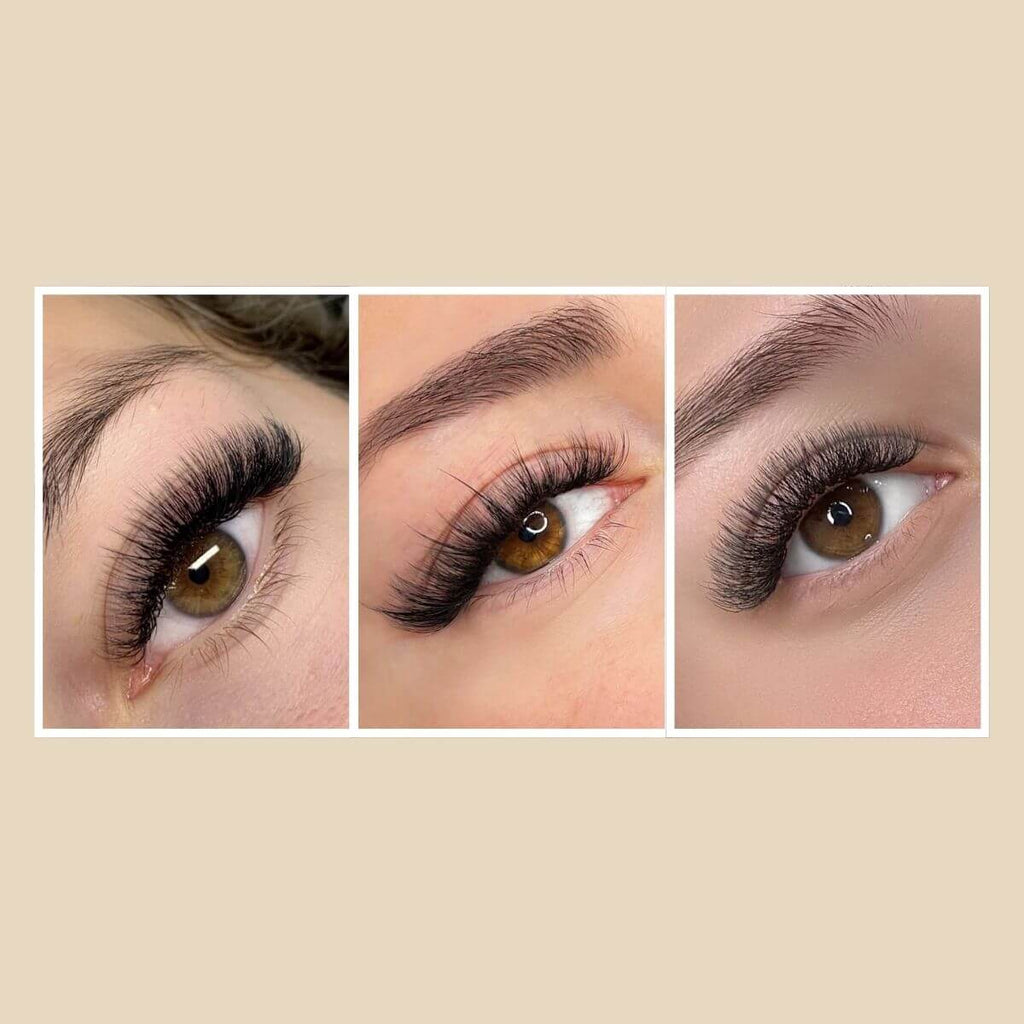
Korean lash lifts often create a smoother root lift and more flexible curl placement. Traditional lash lifts often create a consistent curl pattern across the lash line.
| Feature | Korean Lash Lift | Traditional Lash Lift |
|---|---|---|
| Lash placement | More adjustment before the final curl is set | Lashes are usually placed on the curved shield first |
| Root lift | Often creates a defined lift near the lash line | Can create a balanced lift with the right shield |
| Curl shape | Often looks smooth and rounded | Can look soft, rounded, or more curled |
| Styling control | Useful for lashes growing in different directions | Useful for a consistent lash line |
| Finished look | Lifted, separated, and defined | Even, polished, and customizable |
A Korean lash lift can suit clients who want a strong root lift and smooth curve. A traditional lash lift can suit clients who prefer a classic curl pattern with an even finish.
Which Natural Lash Types May Suit Each Method?
Korean lash lifts usually suit lashes that need more adjustment during placement. Traditional lash lifts usually suit lashes that already lie in a fairly even direction and need a consistent curl.
- Straight, downward-growing, or resistant lashes: A Korean lash lift is often the better match. The artist can adjust the lash direction before setting the final curl, which can help create a more even root lift.
- Lashes that grow in different directions: A Korean lash lift is often a strong option. It gives the artist more control over individual sections, especially when some lashes point sideways, cross over, or sit lower than others.
- Fine, soft, and evenly growing lashes: A traditional lash lift often works well. These lashes usually wrap smoothly onto a silicone shield, making it easier to create a clean, even curl.
- Medium-length lashes with a regular growth pattern: Either method can work. A traditional lash lift is a simple choice for a balanced curl, while a Korean lash lift can add more root lift or a more customized shape.
- Long natural lashes: Either method can work with a larger shield. Traditional techniques can create a soft, consistent curl, while Korean techniques can create a more lifted root area if that is the preferred look.
- Short natural eyelashes: A Korean lash lift can be useful when the artist wants to lift the lashes from the root and adjust each section carefully. A traditional lash lift can also work when the lashes wrap neatly onto a small shield.
Choose Korean techniques for lashes that are straight, downward, resistant, or unevenly directed. Choose traditional techniques for lashes that are soft, evenly placed, and suited to a consistent shield-based curl.
How Do Shield Choice and Processing Time Affect the Result?
Shield size sets the curl shape, while processing time affects how well the new shape holds. Both should match the client’s natural lashes and the professional system being used.
Smaller shields usually create a stronger curl. Larger shields create a softer upward sweep. Round shields often add more curl through the middle of the lash, while flatter shields can focus more on lift near the root.
Processing time also varies by lash type. Fine, thick, straight, and resistant lashes can respond differently to the same formula. The artist should follow the product instructions and check that the lashes stay smooth, separated, and properly positioned during the service.
Clean applicators and eye-area products made for their intended use support a professional service. AAO eye cosmetic safety information covers clean tools and proper use around the eyes.

Wimpernkleber-Entferner Stift Nicht reizend Schneller Gel
Titel: Default Title
What Should You Consider Before Choosing a Lash Lift Method?
Choose the method based on your natural lashes and the finished look you want. A consultation should give the artist enough information to select the right shield, placement method, and curl style.
Discuss these points before the appointment:
- Lash length, thickness, density, and growth direction
- The look you prefer, such as soft, rounded, lifted, or bold
- The amount of root lift you want
- Shield sizes and shapes that fit your lashes
- The artist’s experience with Korean and traditional techniques
- Product ingredients that matter to you
Photos can make it easier to communicate your preferred curl and overall finish. Lash artists can use lash lift shields, tools, and supplies to match different lash lengths and styling needs. For a broader comparison of service options, read about lash lifts and eyelash extensions.

Choose the Lash Lift Style That Fits Your Lashes
Choose a Korean lash lift for more flexibility in lash placement and root lift. Choose a traditional lash lift for a structured curl pattern shaped around a silicone shield. Share your natural lash concerns and the curl style you want before the appointment. Clear communication helps create a lift that fits your eye shape and daily style.
FAQs
Q1. How Long Does a Lash Lift Usually Last?
A lash lift usually lasts about six to eight weeks. Results fade gradually as natural lashes grow and shed. Lash growth speed can make the timing look different from person to person.
Q2. Can You Wear Mascara After a Lash Lift?
Yes, mascara can add more color and definition after a lash lift. Many people use regular mascara when they want a stronger makeup look. Gentle removal helps keep the lashes neat.
Q3. How Soon Can You Wash Your Face After a Lash Lift?
Follow the aftercare timing provided by your lash artist. Once that period has passed, wash the eye area gently and avoid rubbing the lashes. A soft touch helps maintain the lifted shape.
Q4. Can You Combine a Lash Lift With Eyelash Tinting?
Yes, many clients pair a lash lift with professional eyelash tinting for a darker and more defined lash line. The service timing should follow the instructions for the professional products used. Eye-area color products should be intended for that specific use.
Hinterlassen Sie einen Kommentar