


Home Eyelash Extension Supplies Guide
Adhesive Micro-Beading: Controlling Volume at the Base Junction

The Technical Challenge of Adhesive Micro-Beading
In the pursuit of the "seamless" lash set, where extensions and natural fibers appear as a single, uninterrupted unit, the base junction is the most critical point of failure. For the professional lash artist, the presence of adhesive micro-beads—tiny, visible spheres of glue at the base of a fan—is more than an aesthetic flaw. It represents a compromise in technical precision that can lead to poor retention, client discomfort, and significant ocular health risks.
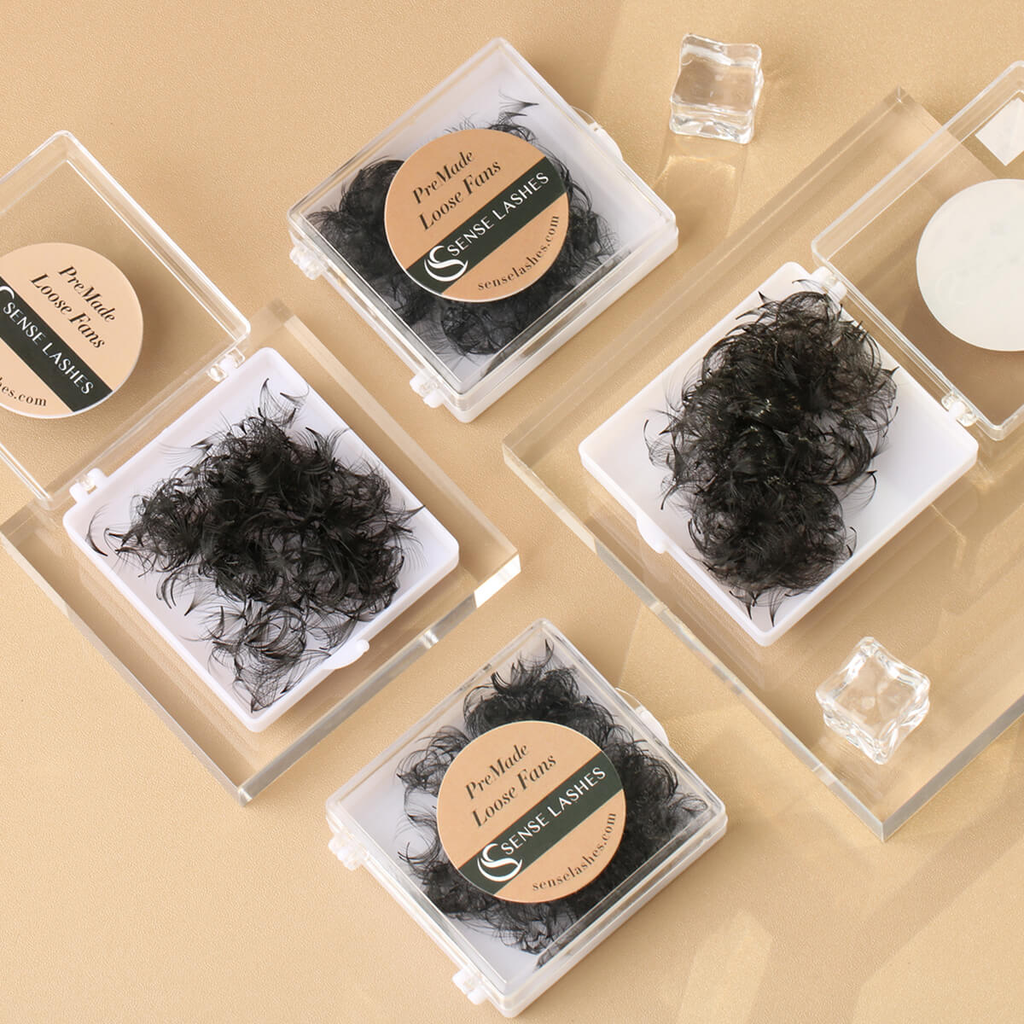
Micro-beading typically occurs when the volume of adhesive at the junction exceeds the surface tension capacity of the fibers, or when the adhesive's viscosity is mismatched with the ambient humidity. When a technician dips a volume fan, especially a high-density fan like 40D Handmade Loose Premade Fans Pointy Base(500 Fans), the goal is to achieve a 360-degree seal around the natural lash without a visible bulge. Mastering this requires a deep understanding of fluid dynamics, fiber architecture, and the chemical behavior of cyanoacrylate.
Logic Summary: Our technical recommendations for adhesive volume control are based on scenario modeling of surface tension on PBT (Polybutylene Terephthalate) fibers. These heuristics assume a professional salon environment and are designed to minimize the "wicking" effect that causes adhesive to travel up the fan base.
The Ocular Health Imperative: Why Precision Bases Matter
Precision at the base is not just about looks; it is a fundamental safety requirement. According to the American Academy of Ophthalmology (AAO), eyelash extensions carry inherent risks of infection and allergic reactions, often linked to the adhesive components like formaldehyde and cyanoacrylate.
Blepharitis and Bacterial Sequestration
When micro-beads form, they create irregular, porous surfaces at the base of the lash line. These "nooks" become traps for sebum, dead skin cells, and debris. As noted by the Mayo Clinic, poor eyelid hygiene and the buildup of bacteria are primary causes of Blepharitis (eyelid inflammation). A smooth, seamless bond is significantly easier for the client to clean, whereas a beaded base provides a substrate for bacterial colonization.
Chemical Toxicity and Formaldehyde Release
A seminal study by Amano et al. (2012) identified that lash adhesives can release formaldehyde during the polymerization process. The volume of adhesive used is directly proportional to the potential for fume irritation. Larger micro-beads take longer to cure fully, extending the window of chemical exposure and increasing the risk of keratoconjunctivitis. By minimizing the adhesive volume to a micro-level, you effectively reduce the chemical load on the client's ocular surface.

Fluid Dynamics: Matching Viscosity to Salon Environment
The primary cause of micro-beading is often an imbalance between adhesive viscosity and ambient moisture. Cyanoacrylate cures through a reaction with water vapor. If your adhesive is too thin for your environment, it will "wick" up the fan base before it has a chance to set, resulting in a clumped or beaded appearance.
The Humidity-Viscosity Heuristic
In practice, technicians working in environments with low humidity (below 45%) often face the challenge of adhesive drying too slowly. In these conditions, a "syrup-like" viscosity is often preferred to gain more control over the bead size. Conversely, in high-humidity environments, a thin, fast-curing adhesive like the 0.5-1 Second Diamond Eyelash Extension Glue is essential to "lock" the fan in place before the adhesive can migrate.
| Ambient Humidity (%) | Recommended Adhesive Viscosity | Typical Cure Speed | Application Strategy |
|---|---|---|---|
| <40% (Dry) | Medium / Syrup-like | 1.0 - 2.0 Seconds | Use a deeper dip; allow longer for the bond to stabilize. |
| 45% - 60% (Ideal) | Thin / Water-like | 0.5 - 1.0 Seconds | Standard "Dip and Drag" technique for a 360-degree seal. |
| >65% (High) | Ultra-Thin | <0.5 Seconds | Minimal dip; extremely fast attachment to prevent shock curing. |
Note: These ranges are estimated based on common industry heuristics and may vary depending on specific adhesive formulations and room temperature.
The "Dip and Drag" Mastery: A Professional Protocol
To eliminate micro-beading, the "dip and drag" technique is the gold standard. This method relies on mechanical friction to pull excess adhesive off the fiber, leaving behind the exact amount needed for a secure bond.
- The Vertical Dip: Insert the base of the fan vertically into the center of the adhesive drop. Avoid the edges where the glue may have already begun to polymerize. For 20D Handmade Loose Premade Fans Pointy Base(500 Fans), a dip of 1.5mm to 2mm is typically sufficient.
- The Controlled Withdrawal: Pull the fan out slowly. Rapid withdrawal increases surface tension, which actually pulls more glue out of the drop, leading to beads.
- The Side-Wall Drag: Gently drag the base of the fan against the side of the adhesive dish or the edge of your jade stone. This action "shaves" off the excess bead, leaving a thin, even coating that encompasses the base.
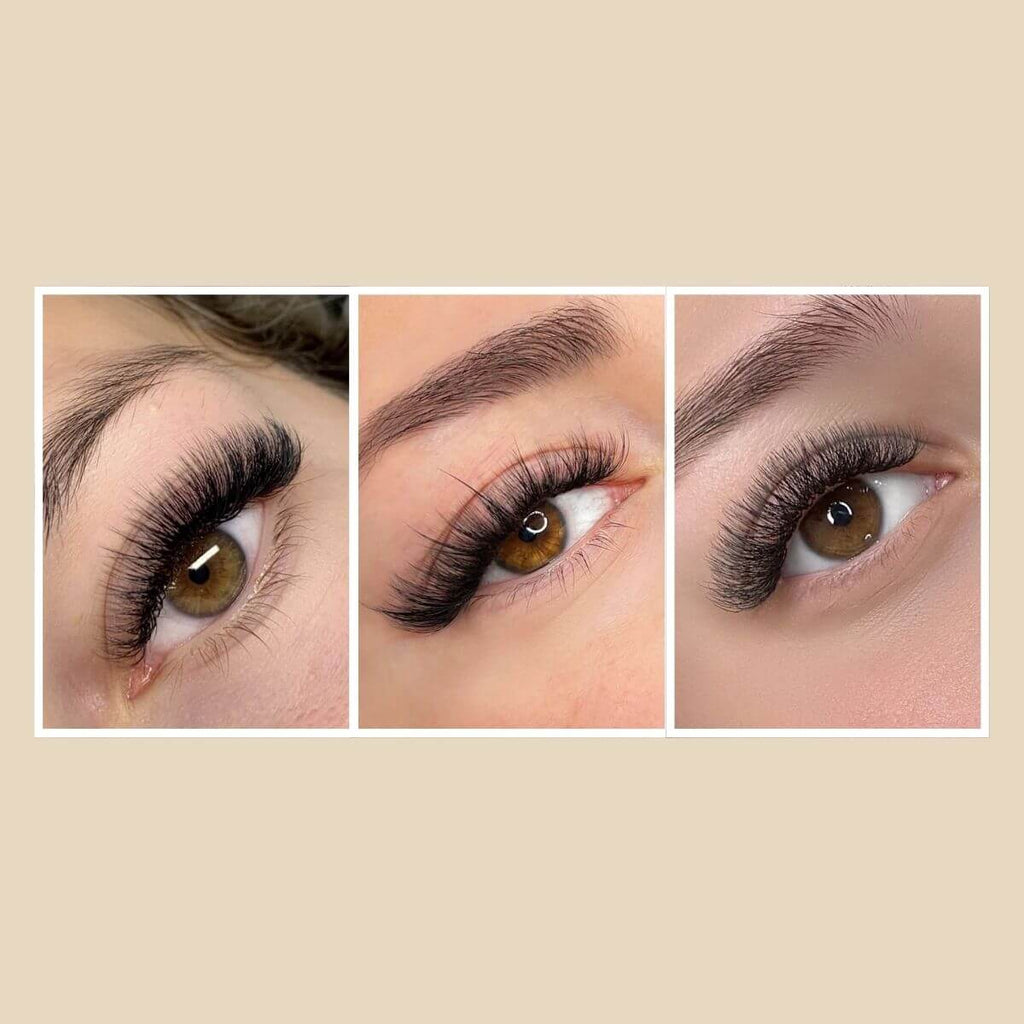
- The 360-Degree Seal: When placing the fan, ensure the natural lash is "wrapped" or at least fully encased by the adhesive. The ideal bond should not visibly bulge; it should look like the natural lash has simply become thicker at the root.
By perfecting this, you avoid the "boxy" look often associated with poor volume application. For further reading on base architecture, see our guide on Preventing Boxy Bases.
Selecting the Right Architecture: Pointy Bases vs. Traditional Fans
The physical shape of the fan base plays a significant role in adhesive management. Handmade fans with irregular or broad bases naturally trap more adhesive, making bead control difficult. In contrast, "pointy base" premade fans are engineered to restrict adhesive travel.
Why Pointy Bases Win
The tapered, heat-bonded base of a 40D Handmade Loose Premade Fans Pointy Base(500 Fans) provides a smaller surface area for the adhesive to cling to. This design naturally limits the volume of the bead. Furthermore, the pointy base allows for a more flush attachment to the natural lash, which is critical for maintaining the health of the meibomian glands. Research published in PMC (Ocular Surface Changes) suggests that bulky, heavy extensions can alter tear film stability by putting mechanical pressure on these glands.
Matching Base to Natural Lash Growth
Not all natural lashes grow in the same direction or have the same curvature. A technical mastery involves selecting the fan base that matches the natural lash's "attachment zone."
- Straight Natural Lashes: Pair with a slightly longer pointy base to increase the contact area.
- Down-ward Growing Lashes: Use a shorter base to avoid weighing down the lash and causing mechanical trauma, a risk highlighted in recent 2024 studies on ocular disorders.

Sanitation and Long-Term Retention SOPs
Even the most perfect application can fail if sanitation and aftercare are neglected. Micro-beading, even when minimal, increases the surface area for debris. Therefore, a strict Standard Operating Procedure (SOP) is non-negotiable.
Professional Sanitation
Aligned with CDC guidelines on preventing conjunctivitis, every tool that touches the eye area must be sterilized or disposable. Use Clear Mascara Wands 50pcs/pack to brush through the lashes immediately after the adhesive has reached its "dry-to-touch" state. Brushing ensures that no micro-beads have accidentally fused neighboring lashes (stickies), which can cause discomfort and premature shedding.
Client Aftercare: The "Lash Shampoo" Mandate
Educate your clients that water is not enough. To prevent the buildup of Demodex mites—which research in PMC (Demodex Studies) links to poor ocular hygiene—daily cleansing with a dedicated lash foam is required. A clean base ensures that the adhesive bond remains flexible and free from the degrading effects of oils and salts.
Troubleshooting: When Reactions Occur
Despite best efforts, allergic contact dermatitis can occur. A 2024 study on eyelid dermatitis emphasizes that reactions to acrylates can be delayed. If a client presents with swelling 48 hours post-application, it is often an immune response to the cyanoacrylate rather than a mechanical issue with the beads.
In cases where removal is necessary, always opt for a high-viscosity cream remover. Liquid removers carry a high risk of running into the eye, potentially causing corneal abrasions—a serious complication documented in PMC case reports. A non-drip cream remover provides the control needed to safely break down the adhesive without compromising the ocular surface.
Key Takeaways for the Professional
- Match Viscosity to Environment: Use faster-drying glues like 0.5-1 Second Diamond Eyelash Extension Glue in high humidity to prevent wicking.
- Perfect the Drag: Always remove the excess "bead" on the side of your adhesive stone before application.
- Prioritize Base Geometry: Pointy bases are technically superior for adhesive volume control compared to broad, handmade bases.
- Educate on Hygiene: Link aftercare directly to the prevention of Blepharitis and mite infestation to increase client compliance.
By focusing on the micro-details of the base junction, you elevate your practice from a simple service to a technical art form that prioritizes both the aesthetic "seamless" look and the long-term health of your clients' eyes.
Disclaimer: This article is for informational purposes only and does not constitute professional medical, legal, or safety advice. Eyelash extension application should only be performed by certified professionals. If a client experiences persistent pain, redness, or vision changes, they should consult an ophthalmologist immediately.