


Strategic Gapping: Using Curls to Hide Natural Lash Gaps
Strategic Gapping: The Technical Art of Multi-Curl Camouflage
In the professional lash industry, the presence of natural gaps—whether caused by the natural growth cycle, physical trauma, or underlying ocular conditions—presents a significant challenge to achieving a flawless, high-density look. Traditional mapping often fails in these scenarios; using a uniform curl across a sparse area typically results in a flat, unnatural texture that highlights the deficiency rather than concealing it.
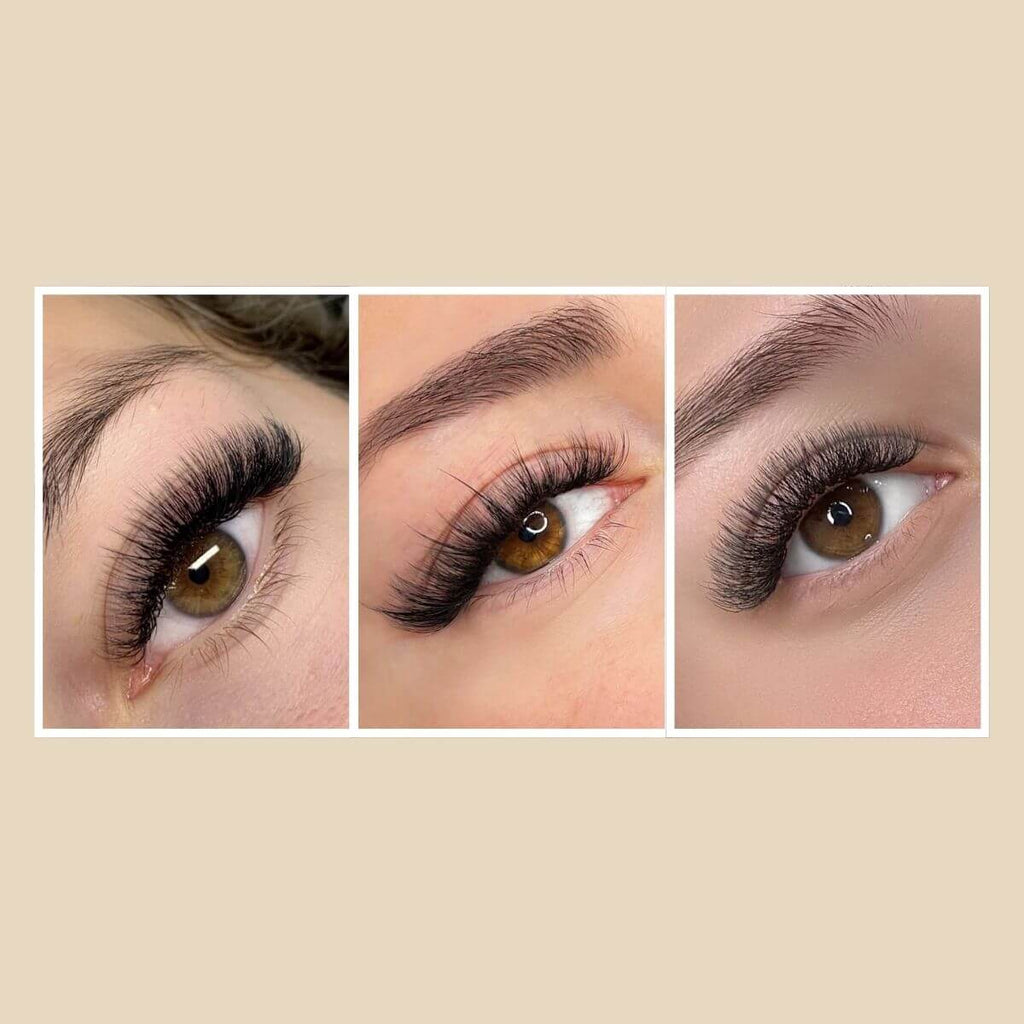
Strategic gapping is an advanced technique that leverages the physical properties of different lash curls to bridge these voids. By overlapping specific curvatures and varying fan widths, practitioners can create a seamless gradient that restores the appearance of a full lash line. This guide explores the bio-mechanical principles of gap-filling, the environmental factors affecting adhesive performance, and the technical specifications required for professional-grade results.
The Bio-Mechanical Reality of Lash Gaps
Before applying technical solutions, an expert must identify the root cause of the gap. Natural gaps are often temporary, occurring during the telogen (resting) phase of the lash cycle. However, persistent thinning can be symptomatic of deeper issues.
According to the Mayo Clinic, Blepharitis—an inflammation of the eyelids—is a leading cause of lash loss and poor retention. This condition is frequently exacerbated by poor hygiene and the accumulation of bacteria or Demodex mites. Research published in PMC (Ocular Hygiene) emphasizes that daily cleansing is non-negotiable. For the artist, this means marketing lash shampoo not just as a cleanser, but as a preventative measure against Blepharitis and mite infestation.
When a client presents with significant gaps, the initial assessment must include an evaluation of the ocular surface. A study in PubMed (2024) highlights that mechanical damage from heavy extensions can lead to long-term traction alopecia. Therefore, gap-filling must prioritize weight distribution to avoid further damage to the remaining natural lashes.
Logic Summary: Our approach to gap management assumes that natural lash health is the primary constraint. We utilize lightweight fibers (0.03mm to 0.05mm) to fill gaps, reducing the mechanical load on the follicular unit while maximizing visual density.
The Physics of Camouflage: The Fan Spread Ratio
The core of strategic gapping lies in the "Fan Spread Ratio." This heuristic suggests that to effectively camouflage a gap, the curls flanking the void should have a fan width 1.5x to 2x the diameter of the curl placed directly within the gap.
The D-Curl Pillar and C-Curl Bridges
The most effective method involves placing a tighter curl, such as a D-curl, directly on the lashes at the edge of the gap. This acts as a "structural pillar." Because the D-curl has a more vertical lift, it provides precise definition without encroaching on the space above the gap too early.
To bridge the void, the artist then flanks this pillar with wider-fanning, softer curls, such as a C or CC curl. A 0.07MM Easy Fanning Eyelash Extension in a C curl is often the most effective for this flanking role. Its flexibility allows the fan to spread horizontally, effectively "reaching" across the gap to meet the fanning lashes from the opposite side.

Technical Specifications for Strategic Gapping
| Parameter | Recommended Value | Unit | Rationale/Source |
|---|---|---|---|
| Gap-Filling Diameter | 0.03 - 0.05 | mm | Minimal weight, maximum fiber count |
| Flanking Diameter | 0.07 | mm | Optimal spread and flexibility |
| Fan Spread Ratio | 1.5 - 2.0 | x Diameter | Camouflage coverage without clumping |
| Humidity Threshold | 45 - 60 | % | Optimal adhesive polymerization |
| Glue Set Speed (High Humidity) | 1 - 2 | seconds | Maintaining working time for placement |
Adhesive Dynamics and Environmental Control
The success of a multi-curl transition is heavily dependent on the adhesive’s "grab." When working with tighter curls like the D-curl, the contact area at the base is often smaller compared to flatter curls. This requires an adhesive with precise viscosity and set time.
In environments where humidity exceeds 60%, cyanoacrylate-based adhesives polymerize rapidly. This can cause the adhesive to "shock cure" or set too quickly on a tight curl, leading to a brittle bond and poor retention. Based on common patterns from our customer support and technician feedback, a common correction in high-humidity zones is switching to a slightly slower-setting glue (1-2 seconds) to allow for the precise micro-adjustments needed when fanning across a gap.
Furthermore, the chemical safety of the adhesive is paramount. The American Academy of Ophthalmology (AAO) warns against the risks of formaldehyde exposure and allergic reactions. A landmark study by Amano et al. (2012) identified that the pH of some adhesives could cause keratoconjunctivitis. Modern professional formulas, such as those used in SenseLashes products, are engineered to maintain a near-neutral pH to mitigate these risks.
Methodology Note: Our environmental recommendations are based on a deterministic scenario model for adhesive performance.
- Assumptions: Standard Room Temperature (22°C), PBT synthetic fibers, and medical-grade Ethyl Cyanoacrylate.
- Boundary Conditions: Model may not apply in extreme temperatures (<18°C or >28°C) or with low-purity industrial adhesives.
Advanced Mapping: 0.03mm vs. 0.07mm
Choosing the right diameter is a balance between visual impact and lash health. For filling gaps, 0.03MM Cashmere Premium Mega Volume Eyelash Extensions offer unparalleled benefits. Their extreme lightness allows the artist to create high-dimension fans (up to 15D or 20D) that provide a "blackout" effect in sparse areas without exceeding the weight limit of the natural lash.
For the flanking "bridges," 0.05MM Easy Fanning Eyelash Extensions or 0.07mm variants provide the structural integrity required to hold a wide fan shape. The "Easy Fanning" technology is particularly useful here, as the sticky base strip prevents the fans from collapsing, ensuring the horizontal spread remains consistent throughout the treatment.
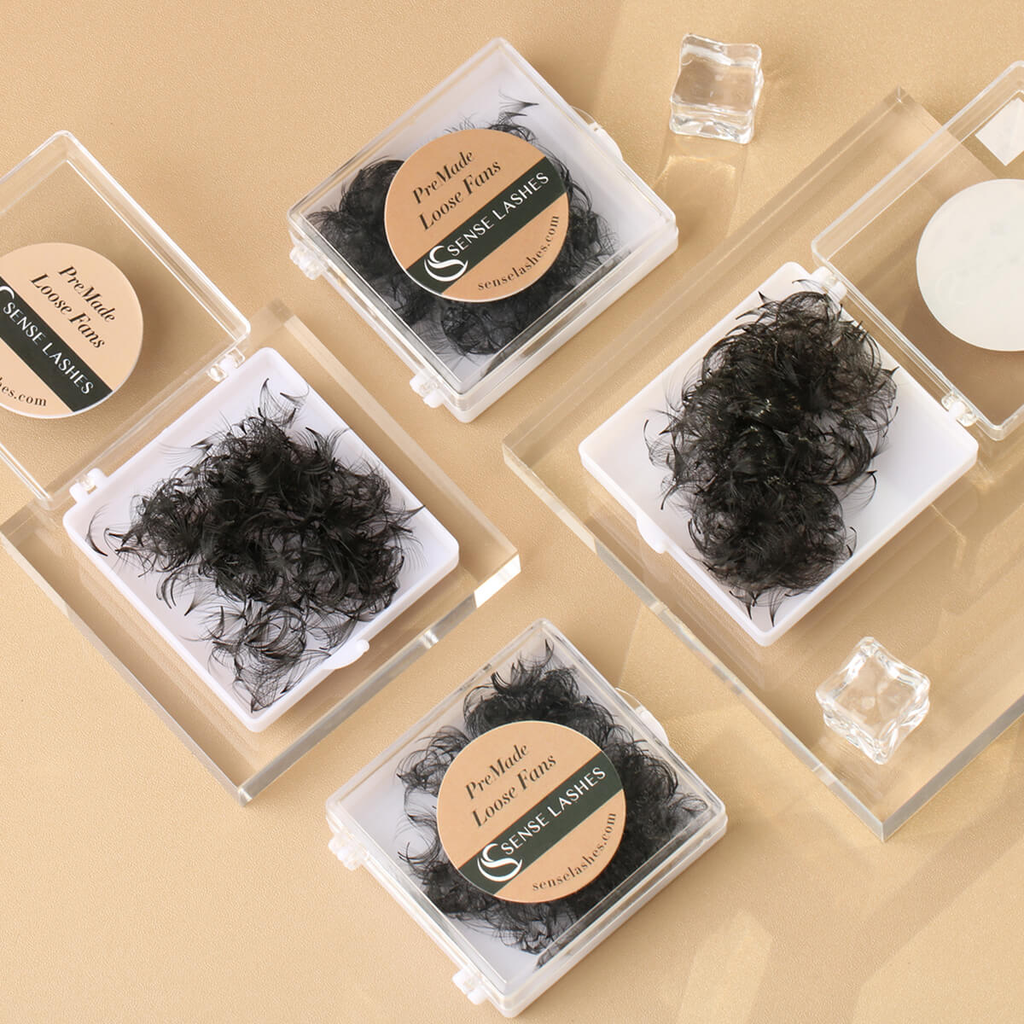
For high-volume salons, using 10D Handmade Loose Premade Fans Pointy Base(500 Fans) can significantly accelerate the process. These fans feature a heat-bonded, ultra-slim base that mimics the appearance of hand-made fans, allowing for a flawless blend between different curl types.
The Chemistry of Irritation and Allergy
A critical component of professional artistry is the ability to troubleshoot client discomfort. Distinguishing between simple irritation and a true allergic reaction is essential for safety and reputation management.
A study in PubMed (35674514) details how Ethyl Cyanoacrylate can cause allergic contact dermatitis. Irritation is usually immediate and caused by fumes (often linked to dry eyes as noted by WebMD), whereas an allergy is an immune response that may manifest 48-72 hours post-application.
To manage these risks, artists should implement a strict "Patch Test Protocol," as suggested by recent research in PubMed (39569302). This protocol helps manage client expectations and protects the practitioner from liability. Additionally, understanding the science of PBT Curl Memory ensures that the chosen curls will not relax prematurely, which could expose the gaps you worked so hard to hide.
Salon Sanitation SOP: A Clinical Standard
Authoritative guidelines from the CDC on preventing the spread of conjunctivitis underscore the need for rigorous sanitation. In a high-traffic salon, the use of disposable consumables—such as wands and patches—is a baseline requirement.
Mechanical injuries, such as corneal abrasions, are often the result of improper removal or poor isolation. A case report in PMC (9870835) highlights the dangers of liquid removers running into the eye. Utilizing a non-drip cream remover and high-quality gel patches for isolation are critical steps in preventing chemical burns and mechanical trauma.
Furthermore, post-application care is vital for maintaining the ocular surface microbiome. Research in PMC (11397841) suggests that long-term extension wear can alter tear film stability. Using a nano-mister to cure the adhesive and recommending a pH-balanced aftercare sealant can help restore the lash environment and improve long-term retention.
Strategic Gapping SOP (Standard Operating Procedure)
For the advanced artist, we recommend the following workflow when encountering a natural gap:
- Assessment: Identify the gap size. If the gap is >3mm, consider a multi-curl bridge. If the skin is inflamed, refer the client to a professional, citing Blepharitis risks.
- Isolation: Use high-quality gel patches to secure lower lashes, preventing chemical injury as detailed in PMC (12415672).
- Pillar Placement: Apply a D-curl fan (using 0.03mm fibers) to the lashes immediately adjacent to the gap.
- Bridge Construction: Apply C-curl fans (using 0.05mm or 0.07mm fibers) flanking the pillars. Ensure the fan width is 1.5-2x the diameter of the pillar fan.
- Blending: Use a "staircase" transition, gradually moving from the D-curl back to the client's standard map (e.g., CC or C). Refer to our guide on Multi-Curl Transitioning for smooth gradient techniques.
- Curing: Use a nano-mister to polymerize the adhesive quickly, locking the wide fans in place before they can collapse or lean.
Business Impact: Retention as a Growth Lever
Mastering the art of camouflaging gaps does more than just create a beautiful set; it builds client trust. According to market analysis by Grand View Research, the lash industry continues to grow at a significant CAGR, driven by the demand for customized, high-performance services.
Clients with sparse lashes often feel self-conscious. By providing a solution that safely and effectively hides these gaps, you position yourself as a specialist rather than a generalist. This technical authority allows for premium pricing and higher retention rates, which are the foundations of a successful private label brand.
For global distributors, ensuring that your inventory meets international safety standards is crucial. The Health Canada 2023-2024 Report emphasizes the importance of proper labeling and chemical compliance for cyanoacrylate products. Partnering with a manufacturer like SenseLashes, which prioritizes these standards, protects your business from customs seizures and legal liabilities.
Summary of Key Takeaways
- Gap Diagnosis: Always evaluate the health of the natural lash line before application. Refer to medical guidelines if signs of infection or inflammation are present.
- The 1.5x Rule: Use flanking fans that are 1.5 to 2 times wider than the central gap-filling fans to create an effective optical bridge.
- Curl Contrast: Utilize the vertical lift of D-curls for definition and the horizontal reach of C-curls for coverage.
- Weight Management: Prioritize 0.03mm and 0.05mm diameters in sparse areas to prevent mechanical damage and traction alopecia.
- Environmental Awareness: Adjust your adhesive choice and technique based on humidity levels to ensure consistent bonding and retention.
By integrating these technical principles with high-quality supplies, professional lash artists can overcome the challenges of natural gaps, delivering consistent, safe, and aesthetically superior results for every client.
YMYL Disclaimer: This article is for informational and educational purposes only and does not constitute medical advice. Eyelash extension application involves chemicals and proximity to the eye; always follow local licensing regulations and safety protocols. If a client experiences persistent pain, redness, or vision changes, advise them to consult an eye care professional immediately.
References
- CDC - Preventing Conjunctivitis
- Mayo Clinic - Blepharitis Overview
- American Academy of Ophthalmology - Eyelash Safety
- PubMed - Amano et al. 2012 Study on Adhesive pH
- Health Canada - Cosmetic Regulations Enforcement Report
- PMC - Ocular Surface Disease and Extensions (2024)
- PubMed - Allergic Contact Dermatitis in Lash Adhesives