


Inicio Eyelash Extension Supplies Guide
Why Spikes Close: Preventing Adhesive Wicking in Wispy Designs

The Technical Challenge of the "Bloomed" Spike
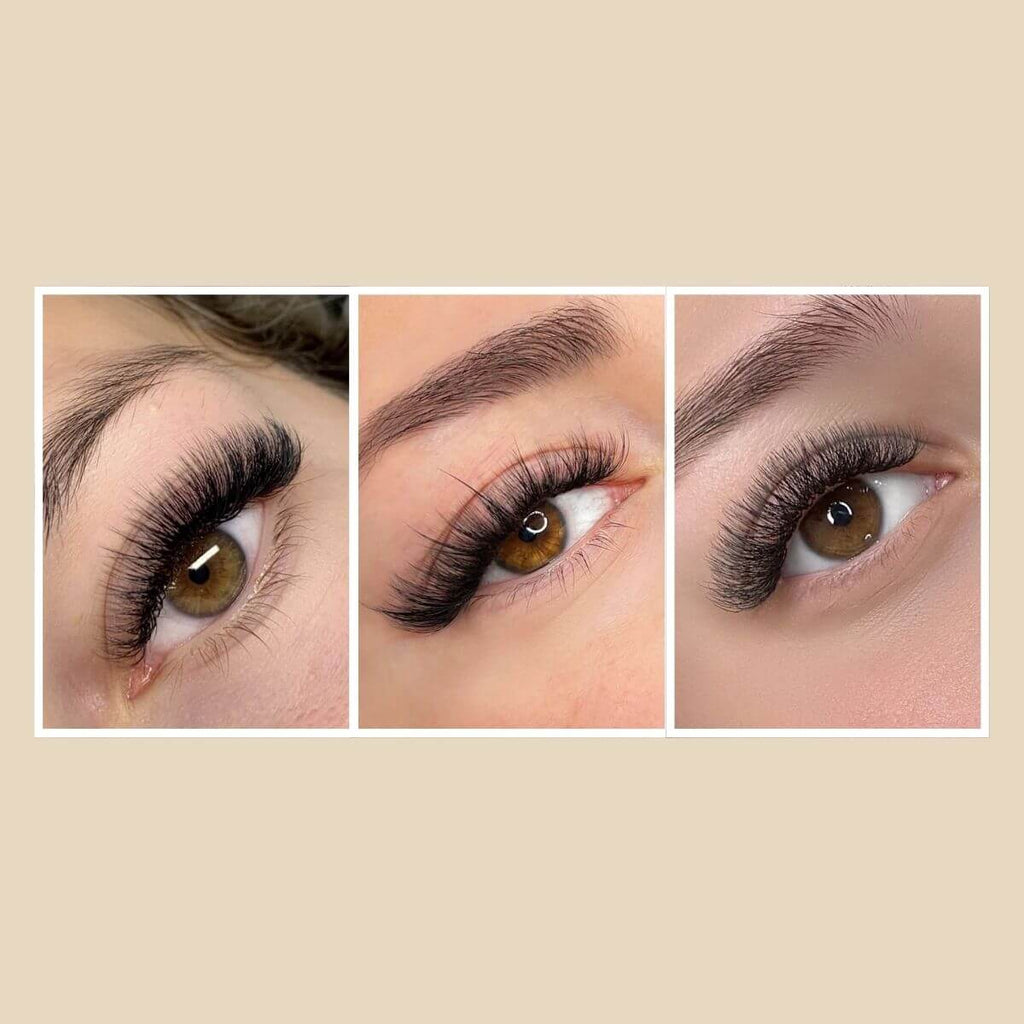
In the pursuit of the "Kim K" or "Kardashian" aesthetic, the technical integrity of the spike is the defining factor of professional success. For lash artists, few frustrations compare to the sight of a perfectly crisp, pointed spike "blooming" into a fan shortly after application. This phenomenon, known as adhesive wicking, compromises the structural architecture of wispy designs and leads to a loss of the sharp, high-contrast texture that clients demand.
To maintain the sharp definition of spikes throughout the wear cycle, we must look beyond simple application and into the fluid dynamics of cyanoacrylate. Preventing spikes from closing requires a mastery of adhesive viscosity, environmental control, and precise bead placement. This guide investigates the mechanical causes of wicking and provides a professional-grade framework for maintaining wispy integrity.
The Physics of Adhesive Wicking: Why Spikes Close
Adhesive wicking is primarily a result of capillary action—the ability of a liquid to flow in narrow spaces without the assistance of, or even in opposition to, external forces like gravity. In the context of lash extensions, the narrow spaces between the individual fibers of a spike act as "channels" for the liquid adhesive.
When an artist dips a spike into a low-viscosity (thin, syrup-like) adhesive, the liquid naturally wants to climb the fibers. If the adhesive does not cure fast enough, it travels upward, saturating the tips and forcing the fibers to stick together in a clump or, conversely, causing the base to swell and the tips to "bloom" outward as the internal tension shifts.
The Impact of Viscosity and Humidity
Viscosity is the measure of a fluid's resistance to flow. We often observe that "fast" adhesives (0.5–1 second dry time) typically have a lower viscosity. While this speed is beneficial for isolation, it increases the risk of aggressive wicking in high-humidity environments.
According to technical observations, ambient humidity above 65% accelerates the curing process on the surface of the adhesive bead but can simultaneously lower the effective viscosity of the liquid core before it sets. This creates a "wicking window" where the adhesive remains fluid enough to travel up the spike but is not yet solid enough to lock the shape. For artists working in these conditions, switching to a faster-setting adhesive is often a necessary heuristic to lock the spike shape before capillary action can occur.
Modeling Note: Wicking Sensitivity Analysis This model assumes a standard 5-fiber spike using PBT (Polybutylene Terephthalate) synthetic fibers. Wicking behavior is a scenario model based on common practitioner patterns, not a controlled laboratory study.
Parameter Standard Value Unit Rationale / Source Ambient Humidity 45–55% RH Ideal curing range Adhesive Viscosity 50–100 mPa·s Standard "Thin" Adhesive Fiber Diameter 0.07 mm Common spike diameter Bead Size 1/3 Base Dia Ratio Expert Heuristic Isolation Gap 0.5 mm Physical bridge prevention

Material Selection: Diameter and Structural Logic
The foundation of a non-wicking spike starts with the selection of the fiber itself. A common mistake in wispy mapping is using fibers that are too heavy, which requires more adhesive to secure, thereby increasing wicking potential.
The Diameter Advantage: 0.03mm vs. 0.07mm
Using a 0.03mm or 0.05mm diameter lash for the spike creates a narrower base. Mechanically, a narrower base has less "surface area" for the adhesive to grab onto initially, which sounds counterintuitive but actually limits the volume of the adhesive bead. A smaller bead means less liquid is available to travel up the shaft.
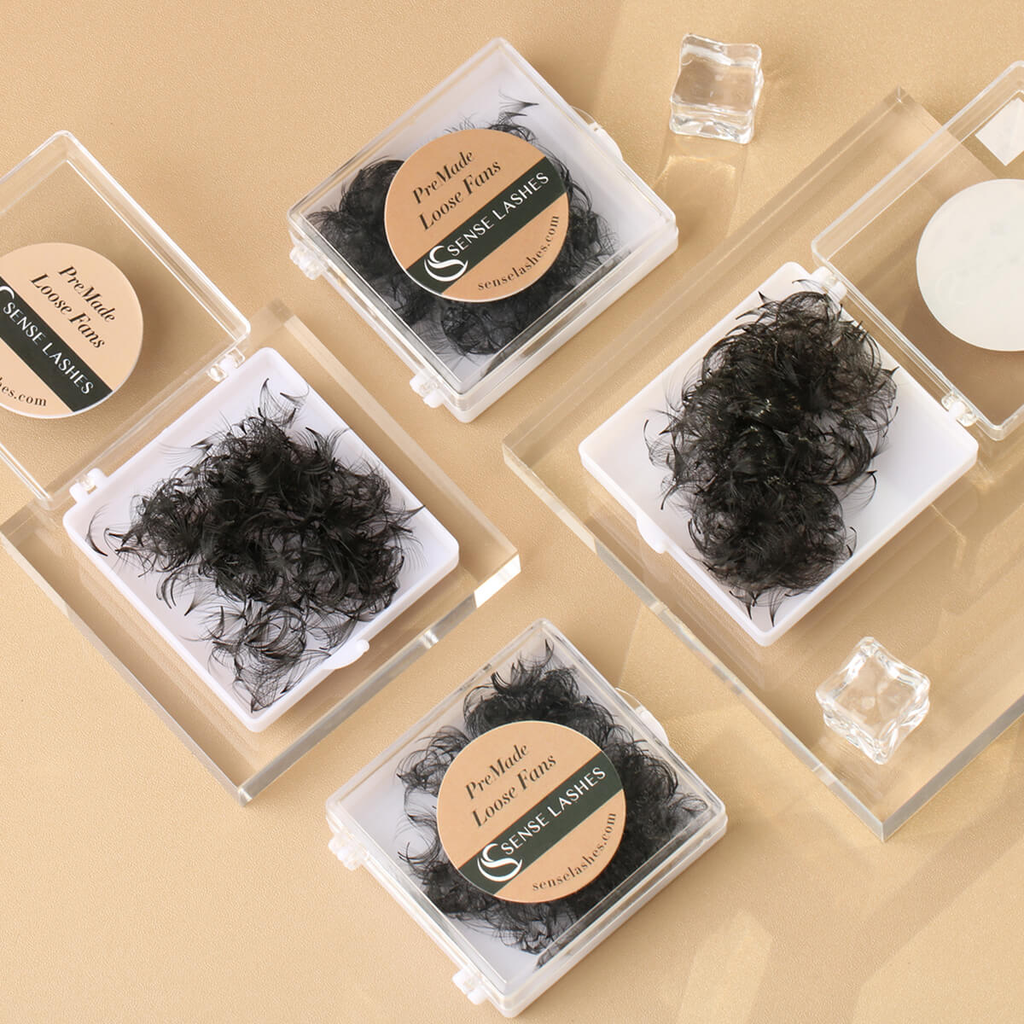
For artists seeking a denser, more dramatic spike, the 0.07mm Cashmere Volume Wispy Eyelash Extensions are engineered to maintain a cohesive cluster. Because these clusters are pre-aligned, they reduce the internal gaps where capillary action typically thrives. To further prevent bloom, many professionals use a tiny amount of primer on the tips of the spikes before picking them up, which creates a temporary bond that resists the upward travel of the adhesive.
Filling the Gaps with Texture
While spikes provide the "peaks" of the design, the "valleys" or the base layer must support that structure without interfering with the spikes' isolation. Utilizing 0.05MM YY Volume Eyelash Extensions or 5D Multi Layer Camellia Lashes allows for a textured, multi-dimensional base. The Camellia lashes, in particular, offer varied lengths that mimic natural growth, providing a "built-in" wispy effect that reduces the number of individual spikes the artist needs to manually construct.
Precision Application: The "1/3 Bead Rule" and Isolation
Expertise in spike retention is often found in the "micro-adjustments" made during the dip. The most common technical error is picking up a glue bead that is too large for the spike's base.
The 1/3 Diameter Heuristic
The practitioner heuristic is to aim for a bead no larger than 1/3 the diameter of the spike's base. If the bead is larger, it floods the base of the spike. As the adhesive cures, the excess liquid is pulled upward, resulting in a "wicked" spike that looks blunt and heavy rather than sharp and airy.
Strategic Gapping and Capillary Bridging
Isolation is not just about keeping the natural lashes separate; it is about preventing "capillary bridging" between extensions. We recommend ensuring a physical gap of at least 0.5mm between the base of the spike and the supporting volume fans. If the bases are too close, the adhesive from the spike can "jump" to the neighboring fan, causing a "sticky" or a closed fan.
For a deeper dive into how to manage these layers, see our guide on Mastering Row Identification to ensure your spikes are placed on the correct layer for maximum impact.
Chemical Integrity and Safety Standards
Beyond the aesthetic challenge of spikes closing, the chemistry of the adhesive poses real risks to ocular health if not managed correctly. As a professional, your choice of adhesive must be grounded in safety and compliance.
The pH Balance and Formaldehyde Risk
Research by Amano et al. (2012) identified that older adhesive formulas often released significant amounts of formaldehyde and had acidic pH levels, which could lead to keratoconjunctivitis (inflammation of the cornea and conjunctiva). Modern, high-quality adhesives are formulated to be pH-neutral to minimize irritation.
Furthermore, Health Canada's 2023-2024 Compliance Report emphasizes the importance of strict labeling and chemical safety for cyanoacrylate-based adhesives. Using products that meet these international standards is a "safe harbor" against client reactions and potential legal liabilities.
Preventing Allergic Contact Dermatitis
It is critical to distinguish between simple irritation from fumes and a true immune response. A study published in PubMed highlights that Ethyl Cyanoacrylate can cause allergic contact dermatitis in sensitive individuals. To mitigate this risk:
- Perform a Patch Test: Though not 100% foolproof, it helps identify immediate sensitivities.
- Controlled Curing: Use a nano-mister to polymerize the adhesive quickly, reducing the time fumes are active near the ocular surface.
- Proper Ventilation: Ensure your salon has active air filtration to remove cyanoacrylate vapors.

Long-Term Health: The "Blepharitis Prevention" Protocol
A spike that stays closed is a success for the artist, but a spike that remains clean is a success for the client. The dense nature of spikes can sometimes trap more debris, oils, and makeup than standard fans.
The Link Between Hygiene and Ocular Health
According to the Mayo Clinic, Blepharitis (eyelid inflammation) is often caused by bacteria buildup or clogged oil glands. When clients avoid washing their lashes to "save" the spikes, they inadvertently increase their risk of inflammation and even Demodex mite infestation.
Professional artists must transition from selling "lash cleaners" to selling "Blepharitis Prevention." Daily use of a lash-safe foam cleanser is non-negotiable. After washing, clients should use Clear Mascara Wands to gently brush the spikes back into position while they are damp, ensuring they dry in their intended sharp shape.
Protecting the Ocular Surface
Recent 2024 research in PMC suggests that long-term extension wear can alter the ocular surface microbiome. To protect your clients:
- Use Primers Wisely: Primers help restore the natural lash pH and remove oils, ensuring a clean bond that doesn't require excessive adhesive.
- Educate on Mechanical Trauma: Poorly applied spikes that are too heavy or placed too close to the eyelid can cause mechanical rubbing, leading to corneal abrasions. Case reports highlight that mechanical trauma is a significant risk during both the wear cycle and the removal process.
Troubleshooting Guide: Why Your Spikes Are Still Closing
If you have adjusted your bead size and humidity but still face closing spikes, consider these technical "gotchas" derived from professional pattern recognition:
- Old Adhesive: As cyanoacrylate ages in the bottle, its chemistry changes. Increased "stringiness" is a sign of partial polymerization, which dramatically increases wicking. Follow a strict Shelf-Life Guide and replace opened bottles every 4–5 weeks.
- Residual Primer: If the primer is not completely dry before application, it can react with the adhesive, causing it to "shock cure" or wick instantly.
- The "Wipe" Mistake: Wiping the base of the lash on the gel patch to remove excess glue actually spreads the adhesive thin, making it more likely to wick upward through capillary action. Instead, "burp" the bead by touching it to the glue stone.
Strategic Maintenance for Wispy Sets
The longevity of a wispy set depends on the client's commitment to aftercare. Because spikes are the focal point, any loss or "blooming" is immediately noticeable.
- The Sealant Advantage: Applying a lash sealant at the end of the service can help "shrink-wrap" the spike, providing an extra layer of protection against moisture and oils that cause wicking.
- Directional Brushing: Provide clients with several Clear Mascara Wands and demonstrate the "rolling" technique to maintain spike cohesion without pulling on the base.
For more on structural integrity, read our technical analysis on Preventing Long Spikes from Sagging.
Professional Standards in Lash Artistry
Mastering the technical nuances of spikes is what separates a lash technician from a lash artist. By understanding the fluid dynamics of wicking, adhering to the CDC guidelines for sanitation, and selecting high-performance materials like the 0.07mm Cashmere Volume Wispy Eyelash Extensions, you ensure both the beauty and the safety of your work.
As the industry grows, so does the scrutiny on safety and chemical compliance. Positioning your practice as one that prioritizes eye health—aligned with the American Academy of Ophthalmology standards—builds a foundation of trust that is more valuable than any single "trendy" look.
Disclaimer: This article is for informational purposes only and does not constitute professional medical or legal advice. Eyelash extensions involve the use of chemicals near the eyes; always consult with a licensed professional and follow local health regulations. If a client experiences persistent redness, pain, or vision changes, refer them to an ophthalmologist immediately.
References
- American Academy of Ophthalmology (AAO) - Eyelash Extension Safety
- Centers for Disease Control and Prevention (CDC) - Conjunctivitis Prevention
- Health Canada - Cosmetic Regulations Enforcement Summary 2023-2024
- PubMed - Formaldehyde and pH in Eyelash Glues (Amano et al. 2012)
- Mayo Clinic - Blepharitis Symptoms and Causes
- PMC - Ocular Surface Microbiome and Extensions
- PMC - Demodex Mite and Ocular Hygiene