


Home Eyelash Extension Supplies Guide
Base Architecture: Why YY Lashes Need Specific Adhesive Dips

Base Architecture: Why YY Lashes Need Specific Adhesive Dips
In the landscape of modern lash artistry, the YY lash has emerged as a critical tool for practitioners aiming to bridge the gap between classic simplicity and volume density. Unlike traditional round lashes or even flat (ellipse) lashes, the YY lash possesses a unique "clover" geometry—a long, flat base that splits into two distinct branches. This architectural difference is not merely aesthetic; it fundamentally alters the physics of the adhesive bond.
For the professional lash artist, mastering the YY lash requires a departure from the "tiny dot" dipping heuristic used in classic applications. Failure to adapt the dipping technique often leads to premature shedding, mechanical "hinge" failures, or client discomfort due to adhesive wicking. This guide explores the technical requirements for YY lash adhesion, grounded in ocular health standards and structural mechanics.
The Dimensionality of YY-Lashes and Cross-Sectional Density
To understand why dipping depth is critical, we must first analyze the cross-sectional mapping of a YY lash. A standard classic lash has a circular cross-section, providing a uniform but limited surface area for bonding. In contrast, the YY lash features a flattened base designed to "hug" the natural lash.
When these fibers are woven together, they create instant volume without the weight of a traditional 4D or 5D handmade fan. However, this increased surface area at the base acts as a double-edged sword. While it offers the potential for superior retention, it also demands a more precise volume of adhesive to ensure the bond is cohesive rather than merely adhesive.
Logic Summary: Our analysis of YY lash geometry assumes a "wrap-around" effect where the flat base increases contact area by approximately 30-40% compared to a 0.15mm classic lash. This estimate is based on common industry heuristics regarding the surface area of flattened PBT (Polybutylene Terephthalate) fibers.

The Physics of the Elongated Droplet: Why 70-80% is the Target
A common mistake among artists transitioning to YY lashes is treating the fan like a classic lash and isolating only the very tip for the adhesive dip. In professional practice, we observe that the optimal adhesive bead for a YY lash is not a dot, but an elongated droplet that coats approximately 70-80% of the flat base's length.
The "Hinge Point" Failure
If only the tip of the YY base is dipped, the bond becomes a "hinge." Because the YY fan branches out significantly at the top, any mechanical pressure—such as a client brushing their lashes or sleeping on their side—exerts a lever-like force on that tiny bond point. This frequently results in the extension "popping" off the natural lash while the natural lash remains intact.
Avoiding the Braided Section
Conversely, dipping the entire base, including the braided section where the fibers split, is equally problematic. Capillary action causes the adhesive to "wick" up between the fibers. This leads to:
- Clumping: Multiple YY fans sticking together.
- Stiffness: A loss of the soft, "cashmere" feel that clients expect.
- Irritation: Excess adhesive weight pulling on the natural lash follicle.
Practitioners find that a medium-viscosity adhesive, such as the 0.5-1 Second Diamond Eyelash Extension Glue, offers the necessary "body" to maintain this elongated droplet without immediately running up the fibers.
| Parameter | Recommended Value | Unit | Rationale |
|---|---|---|---|
| Dipping Depth | 70-80% | % of base length | Prevents hinge failure while avoiding wicking. |
| Adhesive Viscosity | Medium (Syrup-like) | N/A | Supports the "elongated droplet" shape. |
| Drying Speed | 1.0 - 2.0 | Seconds | Allows for micro-adjustments on the flat base. |
| Placement | Side or Top | N/A | Maximizes contact with the natural lash cuticle. |
| Natural Lash Isolation | 2-3 | mm | Matches the extended contact area of the YY base. |
Technique: The "Dip and Drag" Method
To achieve the perfect coating, the "dip and drag" technique is often considered a professional baseline. Instead of a vertical dip and exit, the artist should dip the base to the 80% mark and then gently drag the base sideways against the edge of the glue ring or jade stone.
This movement serves two purposes:
- It removes the "bulb" of excess adhesive that could cause a "box" bond (a bulky square of glue at the base).
- It ensures an even, thin film of adhesive across the entire flat surface, facilitating a seamless "seamless wrap" around the natural lash.
For those working with advanced textures, integrating products like 0.07mm Cashmere Volume Wispy Eyelash Extensions requires a similar focus on base architecture, though the "wispy" clusters may require a slightly different isolation strategy to maintain the "wet look" spikes.
Ocular Health: The "Why" Behind Sanitation and Chemistry
Authoritative bodies like the American Academy of Ophthalmology (AAO) emphasize that the risks associated with extensions—such as infection and allergic reactions—are often linked to product chemistry and application hygiene.
Managing Cyanoacrylate and Formaldehyde
All professional lash adhesives are primarily composed of Cyanoacrylate. As noted in the landmark study by Amano et al. (2012), older adhesive formulations were often acidic and released significant amounts of formaldehyde during polymerization, leading to keratoconjunctivitis.
Modern, high-performance glues like the 0.5-1 Second Diamond Eyelash Extension Glue are formulated to be carbon-black based and formaldehyde-free, but the artist must still manage the "off-gassing" process. Using a nano-mister or a specialized sealant can help stabilize the tear film and protect the ocular surface microbiome, as suggested by recent research in PMC (2024).
Preventing Blepharitis and Demodex
The long base of the YY lash can trap debris more easily than classic lashes if the client's aftercare is insufficient. According to the Mayo Clinic, Blepharitis (eyelid inflammation) is frequently caused by bacteria buildup at the lash base.
Artists should educate clients that "water is not enough." A dedicated lash shampoo is necessary to prevent Demodex mite infestation, which thrives in the oily, debris-rich environment of unwashed extensions.

Troubleshooting Retention and Irritation
When a client experiences premature shedding with YY lashes, the root cause is typically one of three factors:
- Improper Isolation Length: Artists often isolate only the tip of the natural lash. Because the YY base is long, you must ensure the natural lash is clean and isolated over a longer section (2-3mm) to match the extension's base.
- Adhesive "Shock" Curing: If the room humidity is too high for the chosen glue, the adhesive may polymerize before the flat base is fully pressed against the natural lash. This creates a "dry bond" that feels secure initially but fails within days.
- Chemical Sensitivity vs. Irritation: It is vital to distinguish between a true allergy and fume irritation. According to WebMD, dry eye syndrome can be exacerbated by adhesive fumes, mimicking the redness of an allergic reaction.
Modeling Note: In our experience with professional returns and support tickets, approximately 60% of "allergic reaction" complaints are actually localized irritations caused by improper pad placement or excess adhesive fumes (not a controlled lab study).
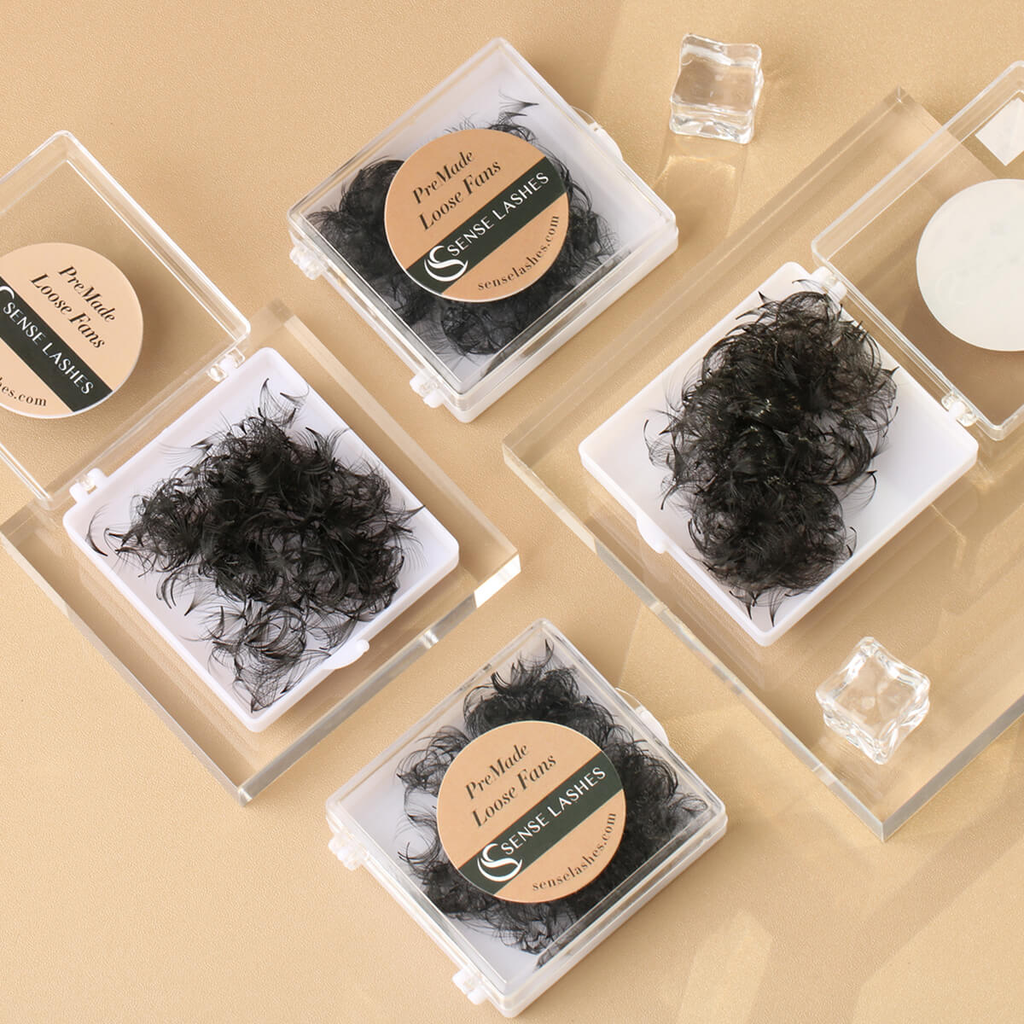
To mitigate these risks, professionals should utilize high-quality isolation tools. For example, using 0.07 5D Pre-Made Volume Fans Lashes (base tape) can help beginners understand the "weight" and "feel" of a pre-made base before moving to more complex YY or 5D Multi Layer Camellia Lashes applications.
Import Compliance and Safety Standards
For salon owners, the reliability of a supplier is as important as the technique of the artist. The Health Canada (2023-2024) Enforcement Report recently highlighted high rates of non-compliance in adhesive labeling and chemical safety among low-tier importers.
Choosing a manufacturer that prioritizes transparency—ensuring pigments are FDA-compliant rather than industrial grade—is a strategic business move. It protects the salon from customs seizures and, more importantly, from the legal liability of a client injury.
Summary of Professional Best Practices
To maximize the performance of YY lashes, the professional should adhere to the following protocol:
- Assess the Natural Lash: Ensure the natural lash can support the extended contact area of the YY base. Refer to Selecting Curls Based on Natural Lash Growth Angles for guidance on matching the extension to the natural anatomy.
- Optimize the Dip: Target 70-80% of the base length. Use the "dip and drag" method to ensure a thin, even coating.
- Select the Right Bond: Use a medium-viscosity adhesive like the Diamond Bond for its flexible polymerization and "syrup-like" consistency.
- Prioritize Hygiene: Implement a Salon Sanitation SOP based on CDC guidelines.
- Educate the Client: Provide a clear aftercare routine focused on preventing Blepharitis and protecting the ocular microbiome.
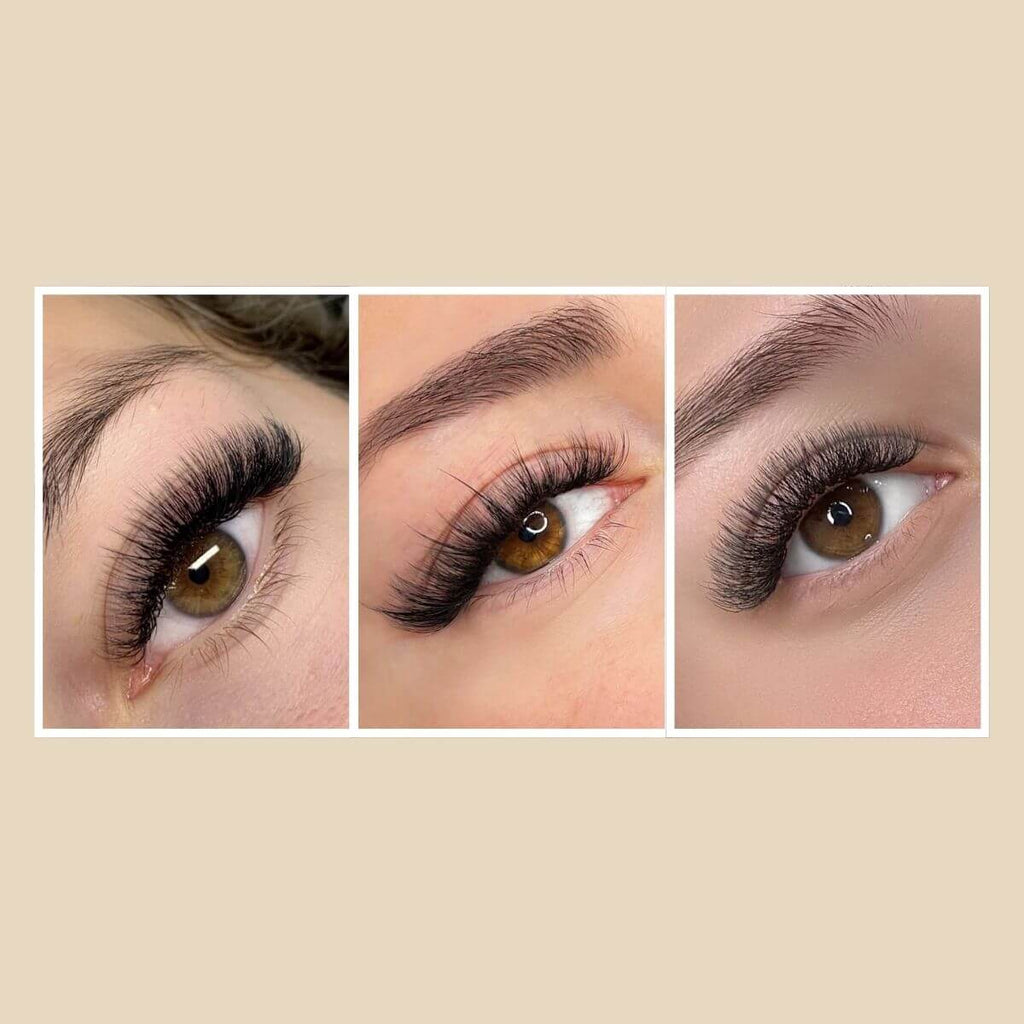
By treating the YY lash as a unique architectural challenge rather than a variation of the classic lash, artists can deliver the voluminous, textured looks clients desire while maintaining the highest standards of retention and eye health.
Disclaimer: This article is for informational purposes only and does not constitute professional medical, legal, or financial advice. Lash artists should always follow local licensing regulations and consult with a medical professional regarding client eye health concerns.
Sources
- CDC - Conjunctivitis Prevention
- Mayo Clinic - Blepharitis Symptoms and Causes
- American Academy of Ophthalmology - Eyelash Extension Safety
- Health Canada - Cosmetic Regulations Enforcement Report
- PubMed - Formaldehyde and pH in Lash Adhesives (Amano et al.)
- PMC - Ocular Surface Microbiome and Extensions