


Home Eyelash Extension Supplies Guide
Controlling Adhesive Wicking in Dense Multi-Hue Fan Bases

Controlling Adhesive Wicking in Dense Multi-Hue Fan Bases
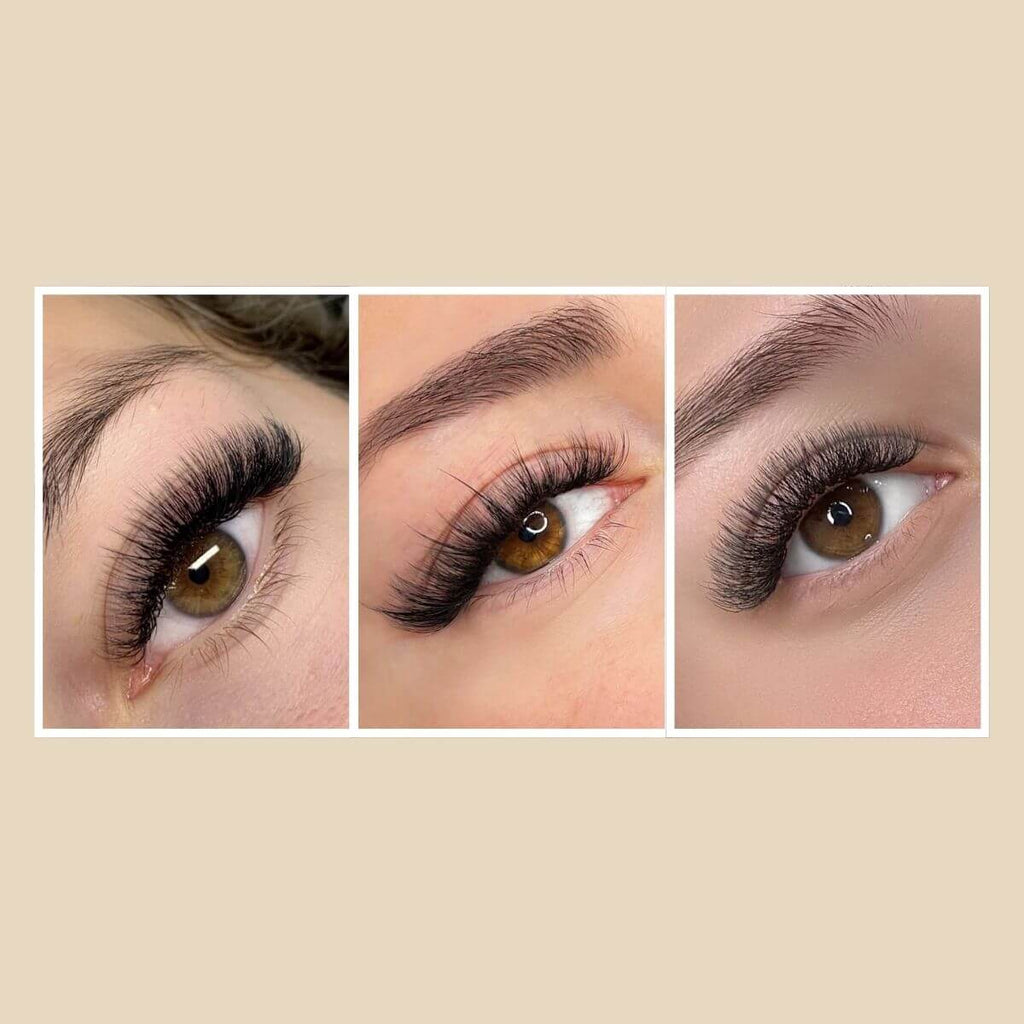
In the high-precision world of advanced volume lashing, the visual impact of a multi-hue set depends entirely on the structural integrity of the fan. When working with dense, colorful handmade fans, the most common technical failure is "wicking"—the phenomenon where adhesive travels up the lash fibers via capillary action. This not only closes the fan, ruining the aesthetic symmetry, but also creates a rigid, uncomfortable base that can lead to mechanical stress on the natural lash.
For the professional artist, managing adhesive behavior is a matter of fluid dynamics and environmental control. This guide examines the technical mechanisms of wicking and provides a professional framework for maintaining fan geometry in complex multi-hue applications.
The Physics of Capillary Action in Lash Fibers
Wicking occurs when the adhesive's surface tension is overcome by the narrow gaps between lash fibers. In dense fans, particularly those utilizing ultra-fine diameters like 0.03mm or 0.05mm, these gaps act as microscopic "pipes."
Based on our observations of adhesive behavior in high-density builds (not a controlled lab study), wicking is most pronounced when using low-viscosity (thin) adhesives in high-humidity environments. High humidity accelerates the initial "skin-over" of the adhesive, but if the core remains liquid, the capillary rise can continue upward until the fan is placed.
Material Interaction and Diameter
When blending different colored fibers, such as those found in 0.07MM Cashmere Premium Mega Volume Eyelash Extensions, the texture of the PBT (Polybutylene Terephthalate) plays a role. Cashmere fibers are engineered for softness, which often means a more porous-feeling surface that can increase the "grab" of the adhesive. However, this same texture can encourage faster wicking if the adhesive volume is not strictly controlled at the base junction.
Logic Summary: Our analysis of wicking assumes that as fiber diameter decreases, the number of contact points within a 10D+ fan increases, creating more channels for adhesive travel. This is a heuristic used for selecting adhesive viscosity.

Health, Hygiene, and Professional Liability
Technical mastery is inseparable from safety. Adhesive wicking doesn't just affect aesthetics; it can lead to "chunky" bases that trap debris. According to the Mayo Clinic, poor eyelid hygiene and bacteria buildup are primary causes of Blepharitis (eyelid inflammation). If adhesive wicks too far up, it creates a larger surface area for biofilm to attach, increasing the risk of ocular surface disease.
Sanitation SOPs
Maintaining a sterile environment is a prerequisite for high-level artistry. The CDC (Centers for Disease Control) provides authoritative guidelines on preventing the spread of conjunctivitis, which every salon owner should integrate into their Standard Operating Procedures (SOPs). Using disposable consumables and ensuring tools are medical-grade sterilized mitigates the risk of cross-contamination during the long sessions required for multi-hue volume sets.
Furthermore, the American Academy of Ophthalmology (AAO) notes that risks such as infection and allergic reactions to formaldehyde (a byproduct of some cyanoacrylate degradation) are real concerns. Providing a "Client Safety Consent Form" that references these risks positions you as a responsible professional.
Technical Strategies: The "Two-Dip" Method
To prevent wicking in handmade fans, the "Two-Dip" method is a high-performance technique used by senior artists.
- The Initial Dip: Immerse the base of the fan (approximately 1-2mm) into the center of the adhesive bead.
- The Stabilization Pause: Hold the fan for a split second to allow the adhesive to form a stable micro-bead at the base.
- The Secondary Touch: Just before placement, give the very tip of the base a shallow "kiss" on the glue stone. This refreshes the outer layer of cyanoacrylate for a faster bond without adding excessive volume that could travel upward.
For those transitioning into volume or working with complex multi-hue blends, using 0.07MM Easy Fanning Eyelash Extensions can reduce the risk of wicking. These lashes feature a unique sticky strip that helps maintain the base's cohesion, preventing the fibers from splaying and creating the "wicking channels" mentioned earlier.
Pre-Assembling and Priming
For handmade multi-hue fans, pre-assembling the fan on a silicone pad and lightly misting the tips with a bonding primer can help the colored fibers cohere. This subtle "tackiness" at the tips prevents individual strands from splaying, which is a leading cause of fans closing prematurely.

Adhesive Chemistry and Environmental Management
The chemistry of your adhesive is your most volatile variable. A study published in PubMed (Amano et al. 2012) highlighted that the pH of lash glue and the release of formaldehyde can cause keratoconjunctivitis. Modern professional formulas strive for pH neutrality to minimize irritation.
Viscosity Selection for Dense Fans
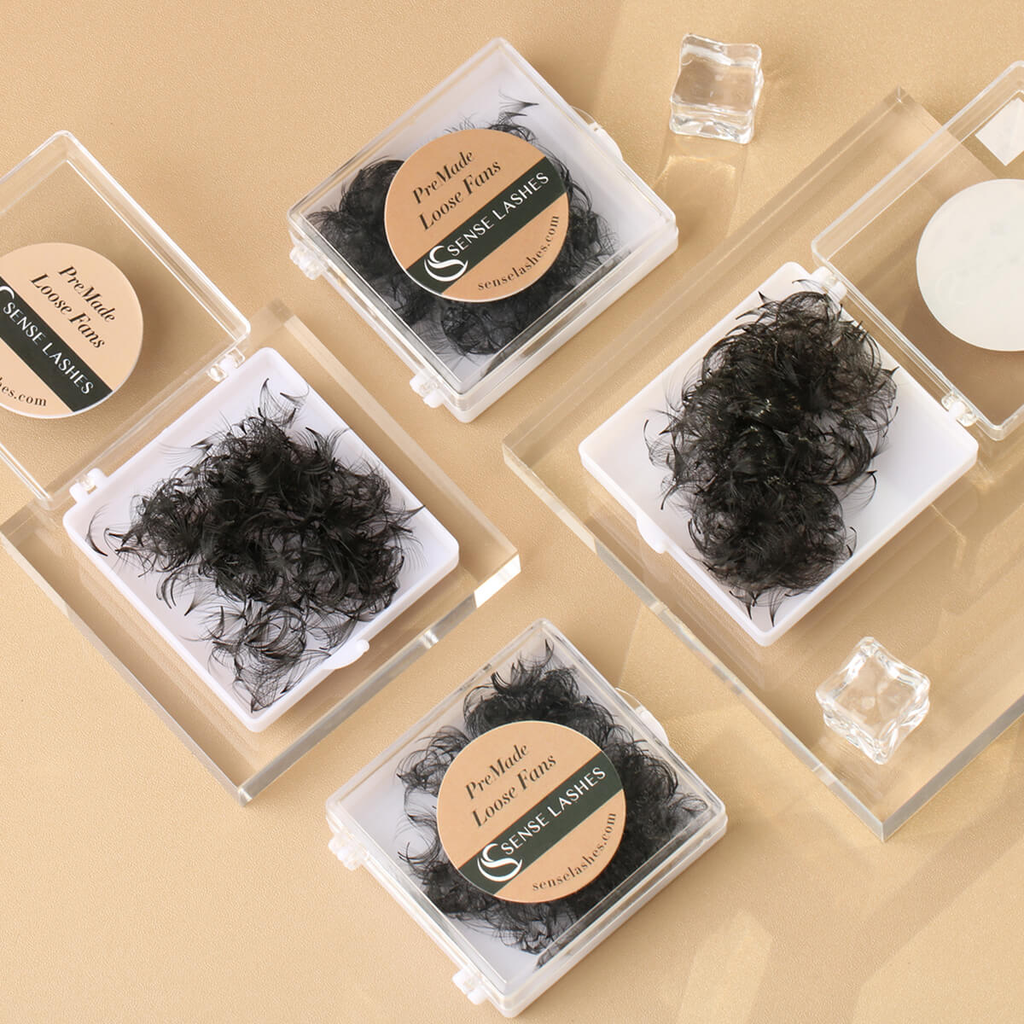
In dense 10D+ fans, such as those replicated by 12D Handmade Loose Premade Fans Pointy Base, a slightly thicker, "syrup-like" viscosity is often preferred over ultra-thin "watery" glues. Thicker glues have higher internal cohesion, making them less likely to climb the fibers.
| Parameter | Recommended Range | Unit | Rationale |
|---|---|---|---|
| Humidity | 45% – 55% | RH | Optimal for controlled cyanoacrylate polymerization. |
| Temperature | 20°C – 23°C | °C | Prevents adhesive from thinning due to heat. |
| Adhesive Viscosity | Medium (25-50) | cps | Resists capillary rise in dense 10D+ fans. |
| Fiber Diameter | 0.03 – 0.07 | mm | Finer diameters require more precise glue volume. |
| Placement Speed | 1.0 – 2.0 | sec | Faster placement prevents wicking during the "open" phase. |
Modeling Note: This table represents a scenario model for a "Standard Professional Environment." These are heuristics based on common industry practices and may vary depending on specific adhesive formulations and local climates.
Troubleshooting Allergic Reactions vs. Irritation
It is critical to distinguish between chemical irritation and true allergic contact dermatitis. Research in PubMed (Case Study 35674514) confirms that Ethyl Cyanoacrylate is a known allergen. Irritation usually presents as immediate redness or a "burning" sensation (often linked to dry eye syndrome), while an allergy involves an immune response that may be delayed by 48 hours or more. Implementing a Patch Test Protocol is the best way to manage client expectations and safety.
Scenario Analysis: Adhesive Control in Different Climates
The behavior of your fan changes based on your room's "micro-climate."
Scenario A: The High-Humidity Environment (>60% RH)
In high humidity, cyanoacrylate cures almost instantly. While this sounds beneficial, it can cause the adhesive to "shock cure" on the outside while remaining liquid inside. This liquid core is what wicks up the fan.
- Solution: Use a slower-setting adhesive and reduce the amount of glue used. Ensure you are controlling volume at the base junction to prevent the "bead" from becoming a "reservoir" for wicking.
Scenario B: The Low-Humidity Environment (<35% RH)
In dry air, the adhesive stays liquid for much longer. This provides ample time for capillary action to pull the glue up the fibers before it sets.
- Solution: Use a faster-setting adhesive or a "booster" on the lash strip. Using 10D Handmade Loose Premade Fans Pointy Base can also be a strategic choice here, as the bases are already heat-bonded, reducing the amount of liquid adhesive needed during the application.
Business Strategy: Scaling Your Artistry
The global false eyelashes market is seeing significant growth, with a high CAGR driven by the demand for customized, professional sets (Grand View Research). For salon owners, mastering multi-hue fans is a way to command premium pricing.
However, scaling requires operational reliability. This means ensuring your inventory is compliant with international standards. A Health Canada Enforcement Report recently highlighted high non-compliance rates in adhesive labeling and chemical safety. Sourcing from factory-direct suppliers that prioritize import compliance prevents the risk of inventory seizures and ensures you are using products that meet rigorous safety standards.
Professional Takeaways
- Viscosity is Key: Match your glue thickness to the density of your fan. Denser fans (10D+) usually require a slightly higher viscosity to resist wicking.
- The Two-Dip Method: Use this to stabilize the adhesive bead before final placement.
- Environmental Awareness: Monitor your humidity constantly; it is the primary driver of adhesive behavior.
- Hygiene as Marketing: Use medical insights from the CDC and Mayo Clinic to educate your clients on the importance of lash shampoo and proper aftercare. This builds trust and improves retention.
By mastering the fluid dynamics of adhesive wicking, you ensure that your multi-hue fans remain as vibrant and open as the moment they were created, providing your clients with both the artistry they desire and the safety they deserve.
Disclaimer: This article is for informational purposes only and does not constitute professional medical, legal, or financial advice. Eyelash extension application involves chemicals and proximity to the eye; always follow local regulations and consult with a medical professional regarding ocular health concerns.
References
- CDC - Conjunctivitis Prevention
- Mayo Clinic - Blepharitis Symptoms and Causes
- American Academy of Ophthalmology - Eyelash Extension Safety
- PubMed - Allergic Contact Dermatitis from Cyanoacrylate (35674514)
- Health Canada - Cosmetic Regulations Enforcement Summary
- Grand View Research - False Eyelashes Market Analysis