


Home Eyelash Extension Supplies Guide
The Bridge Technique: Using Brown Lashes to Soften Gradients

Introduction to the Bridge Technique: Beyond Binary Color Blocking
In the evolving landscape of professional lash artistry, the demand for colored extensions has shifted from avant-garde theatricality to sophisticated, wearable "naturalism." For the modern lash artist, the challenge is no longer just about application; it is about color theory and the mastery of transitions. A common frustration among clients seeking colored sets is the "harsh jump"—a jarring visual break where jet black natural lashes or extensions suddenly end and vibrant purples, blues, or greens begin.
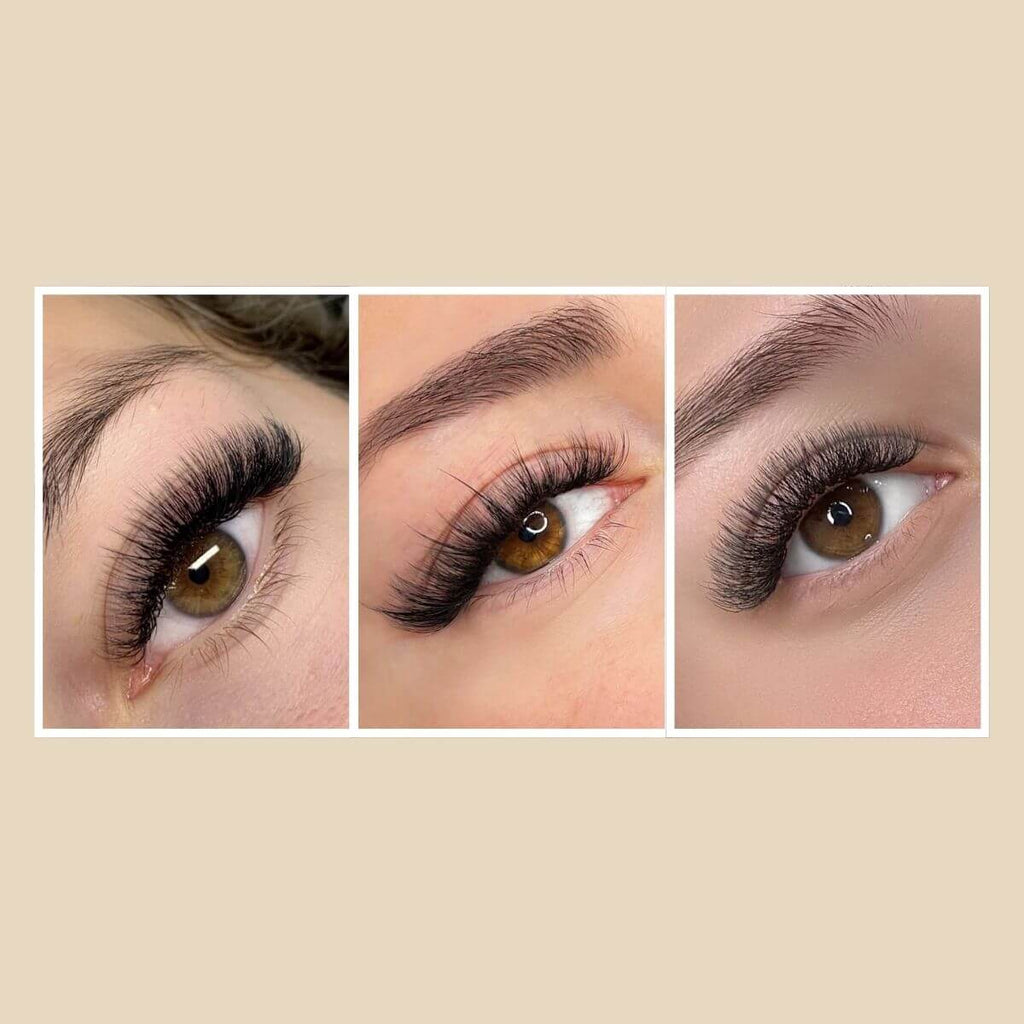
To solve this, industry leaders have developed the Bridge Technique. This methodology utilizes mocha or chocolate brown lashes as a tonal buffer, creating a soft, sophisticated gradient that mimics the natural behavior of light and shadow on the human eye. By introducing a mid-tone between the darkness of the lash base and the brightness of the pigment, artists can deliver high-impact color that remains aesthetically grounded.
According to the Grand View Research, the global lash market continues to expand as technology in synthetic fibers—specifically Korean PBT—allows for more nuanced color palettes. This growth underscores the need for professional-grade techniques that prioritize both aesthetic flow and ocular safety.
The Anatomy of a Seamless Transition: Mapping and Ratios
The success of a bridge set relies on precise mapping. Unlike a standard "color pop" where color is relegated to the outer corners, the bridge technique integrates color horizontally across the lash line.
The 30-40% Rule
Our analysis of professional mapping patterns suggests that the most naturalistic results occur when the brown "bridge" spans approximately 30% to 40% of the total lash line. This is not a random figure; it is a heuristic designed to allow the eye to adjust to the shifting chroma without detecting a hard line.
Methodology Note (Mapping Heuristic):
- Assumptions: Standard eye width (approx. 30mm), average lash count (90–120 per eye).
- Logic: A 30-40% span provides enough real estate for at least two "transition zones" where black/brown and brown/color fibers can be intermixed (feathered).
- Boundary Conditions: This ratio may require adjustment for clients with very narrow palpebral fissures or extremely sparse natural lashes.
Determining the Starting Point
The bridge should typically begin where the client’s natural lashes begin to visibly sparse, usually around the mid-lid. Starting too early (near the inner corner) can make the eyes look "muddy," while starting too late (at the outer 10%) fails to provide enough buffer for the color to feel integrated.
| Transition Zone | Placement | Fiber Color | Objective |
|---|---|---|---|
| Zone 1: Foundation | Inner corner to mid-lid | Jet Black | Maintain depth and definition. |
| Zone 2: The Bridge | Mid-lid to outer 1/3 | Mocha/Chocolate Brown | Soften the transition from black. |
| Zone 3: The Accent | Outer 1/3 to outer corner | Vibrant Color | Provide the primary aesthetic "pop." |
For artists looking to correct specific growth patterns during this transition, integrating Strategic Spike Placement can help lift downward-facing lashes, ensuring the color is visible rather than hidden in the shadow of the lid.
Material Science: Diameter Matching and Fiber Quality
A common mistake that leads to a "choppy" or unblended appearance is mixing diameters within the bridge zone. To achieve a fluid visual flow, the diameter must remain consistent across all three zones.
The 0.07mm Standard
For volume and hybrid sets, 0.07MM Premium Volume Eyelash Extensions are often considered the professional baseline. They provide enough density to show color clearly while remaining lightweight enough to protect the health of the natural lash. Using a 0.07mm diameter across the black, brown, and colored sections ensures that the texture of the set remains uniform, allowing the color—not the weight—to be the focal point.
Selecting the Right Brown
Choosing the correct undertone in your brown lashes is critical.
- Neutral Chocolate Brown: This is the most versatile option, working well with most skin tones and bridging effectively into cool-toned colors like deep blues or purples.
- Ashy Mocha: Superior for very fair-skinned clients or when transitioning into pastel colors (pinks, mints).
- Avoid Warm/Red Browns: Unless the target color is orange or gold, warm browns can clash with cool-toned accents, creating a "muddy" or "dirty" look rather than a clean gradient.
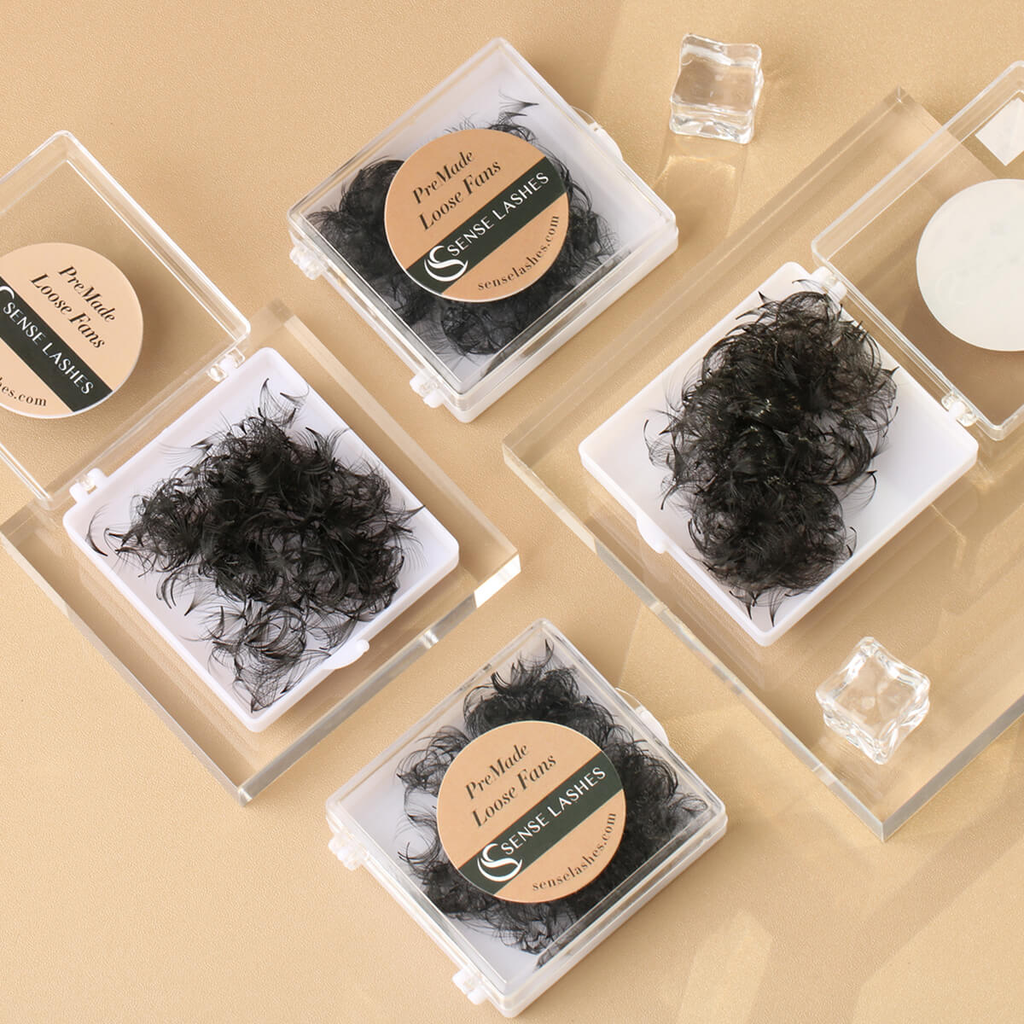
When using premade options like Brown 8D PreMade Loose Fans - 0.07, we recommend a technique called "base fluffing." Gently manipulate the base of the fan with your tweezers after dipping in adhesive. This ensures the brown fibers separate slightly, mimicking the organic look of handmade fans and preventing a stark line of demarcation where the fans meet the natural lash.
Chemical Safety and Ocular Health in Colored Artistry
The use of colored lashes often involves longer appointment times and more complex layering. This increases the importance of understanding the chemistry of your tools.
Cyanoacrylate Compliance and Irritation
The Health Canada 2023-2024 Report emphasizes the need for strict compliance regarding cyanoacrylate-based adhesives. Allergic contact dermatitis, often caused by Ethyl Cyanoacrylate, is a significant risk in the industry. As noted in PubMed (2024), contact dermatitis patterns from acrylates can be delayed, appearing 48 hours or more after application.
To mitigate this, professional artists should prioritize adhesives with a balanced pH and controlled fume emission. A study by Amano et al. (2012) identified that the pH of lash glue can contribute to keratoconjunctivitis. Modern formulations, such as the 1-2 Second Gold Eyelash Extension Glue, are engineered with a syrup-like viscosity that allows for precise attachment with minimal adhesive, reducing the overall chemical load on the ocular surface.
Pigment Quality
The FDA (Eye Cosmetic Safety) guidelines highlight the risks of unapproved color additives. Professional lash artists must ensure that the pigments used in their colored extensions are cosmetic-grade and non-leaching. High-quality PBT fibers, like those found in Brown 10D PreMade Loose Fans - 0.07, are double-heated to ensure both curl retention and pigment stability, preventing irritation caused by dye runoff.

Sanitation SOPs: Protecting the Ocular Microbiome
Long-term wear of extensions, especially complex multi-tonal sets, can alter the ocular surface microbiome. Research published in PMC (2024) suggests that extension wear can affect tear film stability and meibomian gland health.
Preventing Blepharitis and Demodex
Poor hygiene is the primary cause of Blepharitis (eyelid inflammation). The Mayo Clinic notes that bacteria buildup at the lash base can lead to chronic irritation. Furthermore, PMC research on Demodex mites underscores the "ugly truth" about dirty lashes: mites thrive in the debris left by makeup and skin oils.
Professional Hygiene SOP:
- Pre-Application: Use a pH-balanced lash shampoo to remove all lipids and proteins.
- During Application: Utilize medical-grade disposables. The CDC guidelines on preventing conjunctivitis are the gold standard for salon sanitation.
- Aftercare: Educate clients that "water is not enough." Daily cleaning with a foam cleanser is non-negotiable for maintaining both the bridge aesthetic and ocular health.
For those working with specific eye shapes, such as Mature Eyes, hygiene is even more critical as skin laxity can create pockets where debris accumulates more easily.
Troubleshooting Common Pitfalls in Multi-Tonal Sets
Even with the right mapping, technical errors can compromise the "Bridge" effect.
1. The "Choppy" Transition
- Cause: Mixing different curls or diameters abruptly.
- Solution: Ensure the curl transition is gradual. If moving from a C-curl in the black section to a D-curl in the color section, use the bridge zone (the brown lashes) to mix both curls. For example, a 50/50 mix of C and D curls in the brown bridge creates a seamless lift. Refer to our guide on Choosing Curls for Downward-Pointing Lashes for more on curl dynamics.
2. Poor Retention in the Bridge Zone
- Cause: Improper adhesive management.
- Solution: Colored and brown lashes sometimes have slightly different surface textures than jet black lashes. Using a fast-drying adhesive like the 1-2 Second Gold Eyelash Extension Glue requires the artist to work efficiently. If the glue begins to "skin over" before the brown fan is placed, retention will suffer. Always dispense a fresh drop every 20-30 minutes.
3. Corneal Abrasions during Removal
- Cause: Mechanical rubbing or liquid removers running into the eye.
- Solution: A PMC Case Report details corneal abrasions caused by improper removal. When adjusting or removing parts of a bridge set, always use a non-drip cream remover and avoid mechanical friction against the ocular surface.
Logic Summary (Troubleshooting):
- Pattern Recognition: Based on common support queries and return patterns, most "unnatural" results stem from diameter mismatching (~0.07mm vs 0.15mm) rather than the color choice itself.
- Actionable Insight: Stabilizing the diameter across the transition is the single most effective way to improve the visual "value" of a colored set.

Summary and Implementation Guide
The Bridge Technique is more than a styling choice; it is a professional standard for high-end lash artistry. By mastering the 30-40% transition rule and maintaining strict diameter consistency, you can offer clients a sophisticated alternative to basic color blocking.
Key Takeaways for the Professional:
- Map with Intention: Start the brown bridge at the mid-lid to ensure a natural gradient.
- Consistency is Key: Use 0.07MM Premium Volume Eyelash Extensions across all zones to prevent a "stepped" look.
- Prioritize Health: Follow AAO Safety Advisories regarding formaldehyde and infection risks.
- Educate the Client: Use the "Blepharitis Prevention" narrative to sell aftercare, ensuring the longevity of your artistry.
By integrating these technical insights and high-quality materials, you position your salon as a leader in both aesthetic innovation and client safety. Whether you are using Brown 8D PreMade Loose Fans for efficiency or hand-fanning custom gradients, the bridge technique remains the gold standard for modern colored lash design.
Disclaimer: This article is for informational purposes only and does not constitute professional medical or legal advice. Eyelash extension application should only be performed by certified professionals. If a client experiences persistent irritation, redness, or pain, they should consult an eye care professional immediately.
References
- American Academy of Ophthalmology (AAO) - Eyelash Extension Safety
- Centers for Disease Control (CDC) - Conjunctivitis Prevention
- Mayo Clinic - Blepharitis Symptoms and Causes
- FDA - Eye Cosmetic Safety Guide
- PubMed - Amano et al. (2012) on Glue pH and Ocular Health
- Health Canada - Cyanoacrylate Compliance Report