


Startseite Eyelash Extension Supplies Guide
Visual Density: Why Short Lengths Outperform Long in Sparse Sets

Visual Density: Why Short Lengths Outperform Long in Sparse Sets
In the high-stakes world of professional lash artistry, the mature demographic represents both a significant opportunity and a technical challenge. As clients age, they often experience a natural thinning of the lash line, a slower growth cycle, and increased ocular sensitivity. The common instinct for many clients—and some novice artists—is to compensate for sparse natural lashes by increasing extension length. However, professional experience and optical physics suggest the opposite: shorter, denser sets consistently provide a more youthful, "blackout" effect that masks gaps far more effectively than length ever could.
This guide explores the technical reasoning behind prioritizing visual density over vertical length, grounded in ocular health standards and advanced fanning techniques. For the salon owner, mastering this pivot is not just about aesthetics; it is about retention, safety, and long-term client loyalty.
The Physics of Visual Density: The "Leggy" vs. "Solid" Effect
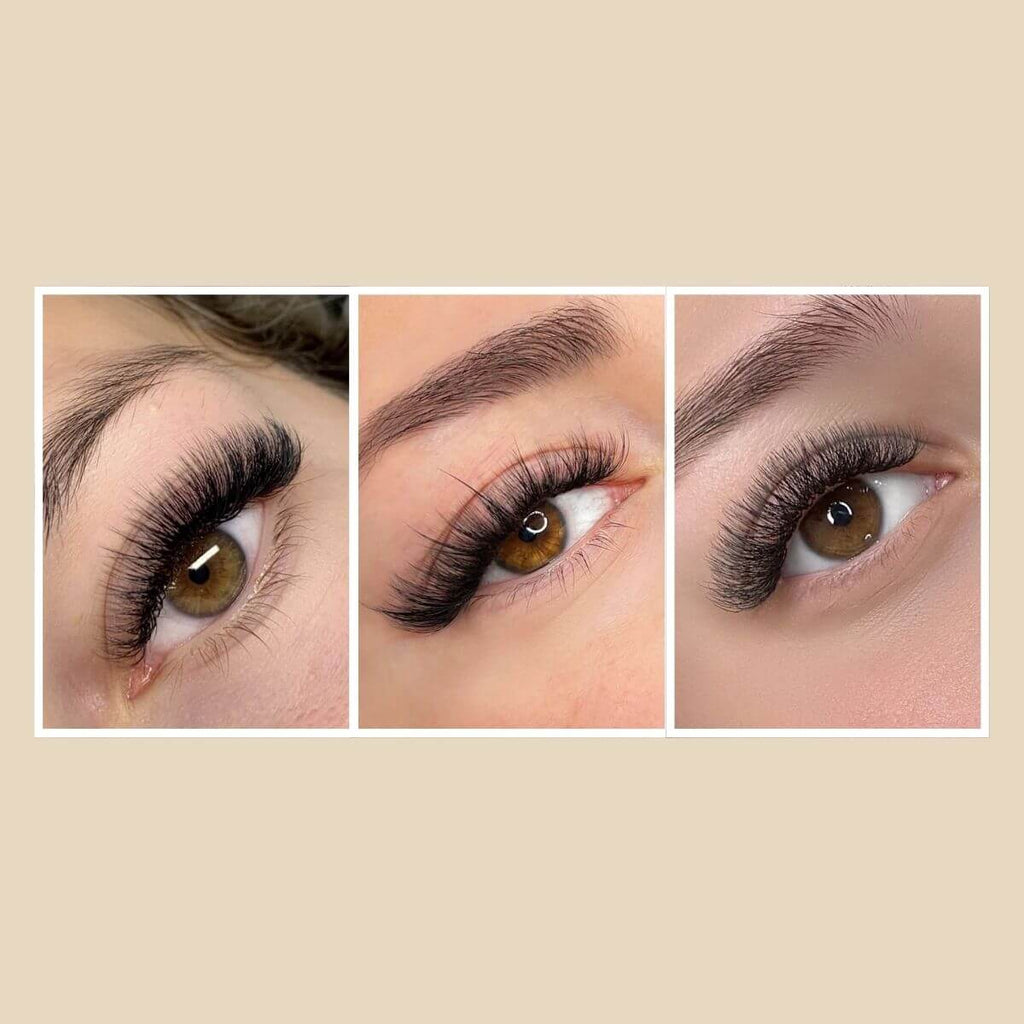
When working with a sparse natural lash line (NLL), the primary goal is to create a continuous dark line at the base. This is often referred to as the "eyeliner effect." Using long extensions (12mm to 14mm) on a client with significant gaps creates what we call a "leggy" appearance. Because the tips of the extensions are further from the eyelid, the natural gaps between the lashes are visually magnified.
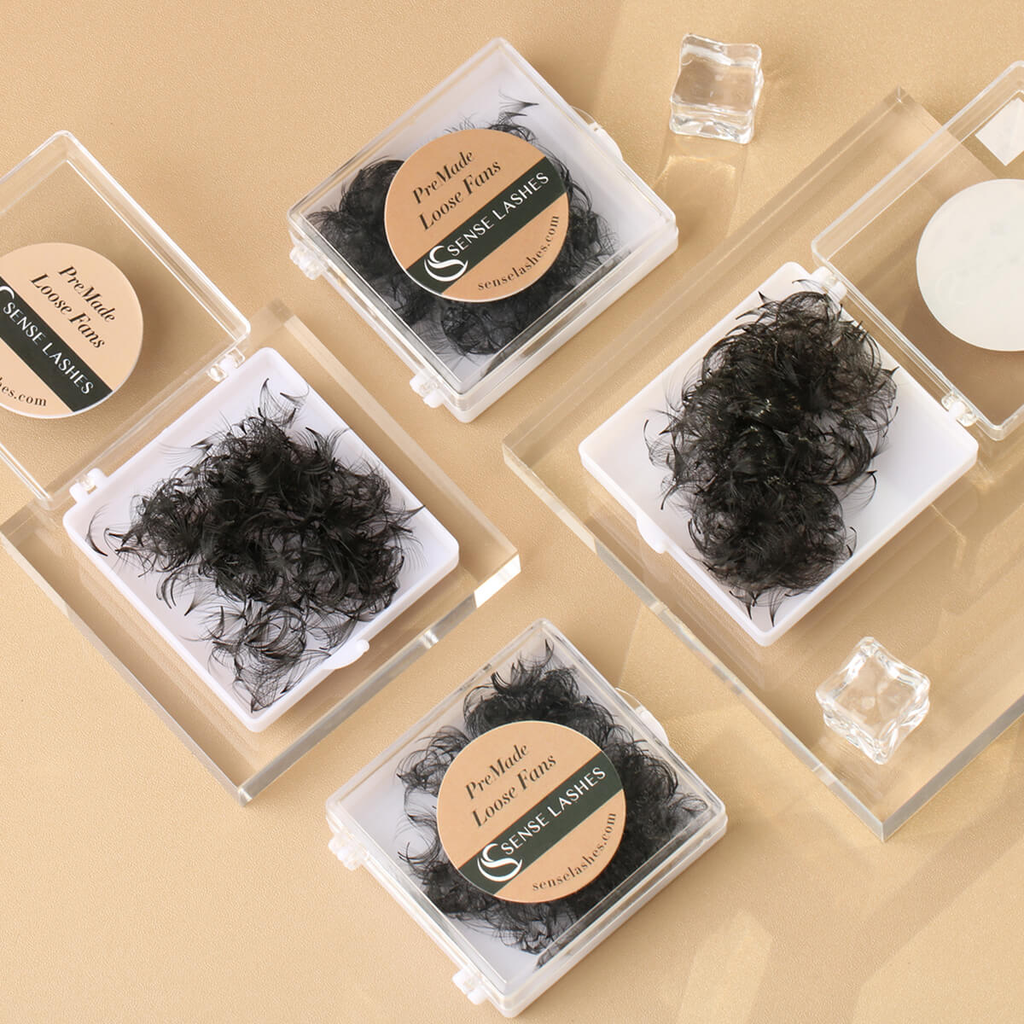
Conversely, shorter extensions (8mm to 10mm) keep the visual weight closer to the lash line. By using high-dimension fans, such as the 12D Handmade Loose Premade Fans Pointy Base(500 Fans), an artist can fill the horizontal space between natural lashes without the vertical distraction of excessive length.
Logic Summary: Our density model assumes that visual "fullness" is a product of the surface area covered by the lash tips relative to the gaps between them. In sparse sets, shorter extensions allow for a higher "fill factor" because the fan's spread occurs closer to the base, where gaps are naturally narrower.
| Parameter | Short/Dense Set (8-10mm) | Long/Sparse Set (12-14mm) | Visual Outcome |
|---|---|---|---|
| Base Darkness | High (Concentrated) | Low (Diffused) | Short wins for "Eyeliner Effect" |
| Gap Visibility | Minimized | Emphasized | Long lashes act as "pointers" to gaps |
| Mechanical Stress | Low (Better for mature lashes) | High (Leverage effect) | Short is safer for lash health |
| Retention | Superior | Variable | Short has less "snag" potential |
The 60/40 Heuristic for Sparse Sets
For artists struggling to balance client desires with technical reality, we recommend the 60/40 Heuristic. This is a practical shop baseline used to ensure predictable outcomes for thinning lash lines.
- 60% of Visual Impact: Should come from density and base darkness. This is achieved through high-dimension, fine-diameter fans (0.03mm or 0.05mm).
- 40% of Visual Impact: Should come from length. Length should be used only to provide a hint of "lift" or to follow the natural eye shape, rarely exceeding 3mm past the natural lash length.
By focusing on the base, you create the illusion of a full lash row. For clients who are new to volume or prefer a more structured look, the 0.07MM Easy Fanning Eyelash Extensions provide a reliable bridge between classic and volume techniques, allowing for rapid density building.

Medical Considerations: Protecting the Mature Ocular Surface
Mature clients often present with pre-existing conditions that require a more conservative approach to lash application. According to the American Academy of Ophthalmology (AAO), eyelash extensions carry risks of infection, allergic reactions, and mechanical trauma, all of which are heightened in aging eyes with thinner skin and reduced tear film stability.
Blepharitis and Hygiene
Poor lash hygiene is the leading cause of Blepharitis, an inflammation of the eyelids often caused by bacteria or Demodex mites. The Mayo Clinic notes that blepharitis can lead to crusty debris and red, swollen eyes. For mature clients, who may already have compromised meibomian gland function, maintaining a clean lash line is non-negotiable.
We often observe that clients with longer extensions are more hesitant to wash them thoroughly for fear of "knocking them off." Shorter, denser sets are easier for the client to maintain and clean, reducing the risk of Demodex infestation and ensuring long-term ocular health.
Mechanical Damage and Weight
The PubMed 2024 study on ocular disorders emphasizes that mechanical damage is a primary concern with long-term extension wear. Mature natural lashes are often finer and have a slower "anagen" (growth) phase. Heavy, long extensions create a "leverage effect" that can cause premature shedding or traction alopecia. Using lightweight, high-dimension fans like 10D Handmade Loose Premade Fans Pointy Base(500 Fans) allows you to achieve the desired darkness with a fraction of the weight of a traditional 0.15mm classic lash.
Technical Troubleshooting: Glue Chemistry and Retention
The choice of adhesive is critical when working with mature clients. Aging skin often has different oil production levels, and the ocular surface microbiome can be more reactive.
pH Balance and Irritation
A seminal study by Amano et al. (2012) identified that older lash glues often released high levels of formaldehyde and had acidic pH levels, contributing to keratoconjunctivitis. Modern professional formulas have evolved to be pH-neutral and low-fume. For artists serving a high-risk or sensitive clientele, using a fast-curing adhesive like the 0.5-1 Second Diamond Eyelash Extension Glue is essential. Its rapid 0.5-second dry time (under optimal 50-70% humidity) minimizes the window of fume exposure, reducing the risk of allergic contact dermatitis.
The Dry Eye Factor
Many mature clients suffer from Dry Eye Syndrome, which can be exacerbated by the curing process of cyanoacrylate. The WebMD guide on dry eyes notes that burning and redness are common symptoms. It is vital for the artist to distinguish between a chemical burn (from fumes entering the eye) and simple dry eye irritation. Using a nano-mister or an aftercare sealant can help restore the tear film stability and protect the ocular surface immediately after service.
Methodology Note (Adhesive Selection): Our recommendation for fast-drying glue in mature sets is based on the "Exposure Time Reduction" principle. By shortening the time the adhesive is in its liquid, off-gassing state, we reduce the total volume of fumes reaching the sensitive ocular mucosa.

The Salon Sanitation SOP (CDC Aligned)
To maintain a professional-grade environment, salons must adhere to strict sanitation protocols. The CDC guidelines on conjunctivitis prevention emphasize the importance of hand hygiene and the sterilization of shared equipment.
For a mature-focused salon, we recommend the following Standard Operating Procedure (SOP):
- Disposable Consumables: Use single-use mascara wands, micro-brushes, and gel patches for every client to prevent cross-contamination.
- Chemical Safety Compliance: Ensure all adhesives meet Health Canada compliance standards for labeling and ingredient safety.
- Patch Testing: While not a guarantee against future allergies, the PubMed 2024 dermatitis study suggests that a 48-hour patch test can identify acute sensitivities to acrylates, protecting both the client and the salon's reputation.
Mapping Guide for Aging Eyes and Sparse Lines
When designing a set for a mature client with gaps, the mapping must be strategic. Avoid "Cat Eye" styles that pull the eye downward, as skin laxity in the outer corners can make the eye look droopy. Instead, opt for a "Squirrel" or "Kitten" map that peaks under the arch of the brow.
- Inner Corners: 7mm - 8mm (always keep these short to prevent irritation).
- The "Fill" Zone: Use 9mm - 10mm 12D Handmade Loose Premade Fans Pointy Base(500 Fans) to bridge gaps.
- The Peak: Maximum 11mm.
- Outer Corners: Taper back down to 9mm to lift the eye.
For more on managing skin laxity, refer to our guide on Curl Mapping for Mature Eyes.
Handling Gaps with "Capping"
If a client has a significant gap where no natural lashes are present, do not try to "bridge" it with a single long extension from a neighboring lash. This creates a diagonal line that looks messy. Instead, use "capping": apply a very short, wide fan (8mm) to the lashes on either side of the gap. The horizontal spread of the fans will meet in the middle, creating the illusion of a continuous lash line without the instability of a bridge.
Managing Client Expectations: The Consultation
The most difficult part of transitioning a client to shorter lengths is the consultation. Many clients equate "length" with "value." As a premier technician, your role is to educate them on Visual Density.
Scripting the Pivot: "I understand you love the look of long lashes. However, because we want to create a really dark, full lash line and protect the health of your natural lashes, I recommend we focus on density today. By using shorter, more voluminous fans, we can actually make your eyes look more open and youthful than long, sparse lashes would. It creates that 'eyeliner effect' you're looking for without the weight."
By framing the decision as a "youthful" and "health-conscious" choice, you align with the client's goals while maintaining your technical integrity. This approach is further supported by industry trends; as noted in the Grand View Research report, the market is shifting toward natural-looking, high-quality individual extensions over dramatic, heavy strips.

Summary of Key Takeaways
Professional lash artistry for mature clients requires a shift from "vertical thinking" to "horizontal thinking." By prioritizing visual density through shorter lengths and high-dimension fans, you solve the three most common problems in sparse sets: leggy gaps, mechanical strain, and poor retention.
- Prioritize Density: Use 0.03mm or 0.05mm fans to create a dark base.
- Limit Length: Follow the 60/40 heuristic; keep extensions within 3mm of the natural lash.
- Select High-Performance Adhesives: Use fast-curing, pH-balanced glues like 0.5-1 Second Diamond Eyelash Extension Glue to minimize irritation.
- Educate the Client: Position shorter, denser sets as a premium, anti-aging service.
By implementing these strategies, you not only improve the aesthetic outcome for your clients but also position your salon as a leader in eye health and technical excellence.
YMYL Disclaimer: This article is for informational purposes only and does not constitute professional medical advice, diagnosis, or treatment. Always seek the advice of a physician or other qualified health provider with any questions regarding a medical condition or ocular health.
References
- American Academy of Ophthalmology (AAO) - Eyelash Extension Safety
- Centers for Disease Control (CDC) - Conjunctivitis Prevention
- Mayo Clinic - Blepharitis Symptoms and Causes
- PubMed - Ocular Disorders and Eyelash Extensions (2024)
- PMC - Ocular Surface Microbiome and Extension Wear (2024)
- Health Canada - Cosmetic Regulations and Cyanoacrylate Safety