


Why Does Lash Glue Dry Too Fast or Too Slow? How to Fix It

If your eyelash extension glue isn't behaving the way it should, the problem is almost never the glue itself — it's the conditions around it. Cure speed is one of the most common frustrations for lash artists, and it directly impacts retention, bond strength, and client satisfaction. Here's a straightforward breakdown of what's actually happening and how to fix it.
How Does Lash Extension Glue Actually Work?
The Chemistry Behind Cyanoacrylate
Professional lash glue is made from cyanoacrylate, a fast-bonding compound that cures through a chemical reaction with moisture — not air exposure alone. When the adhesive contacts humidity in the environment (or on the natural lash), it triggers polymerization: the liquid monomer chains link together and harden into a solid bond.
Curing vs. Drying — They're Not the Same Thing
"Drying" refers to surface evaporation. "Curing" is the full chemical process that creates a strong, flexible bond from the inside out. A lash extension can feel set on the surface within seconds, but full cure depth takes longer. If conditions aren't right, the adhesive may dry on the outside while remaining weak underneath — which is one of the main causes of premature lash fallout.
Why Cure Speed Matters for Retention
Cure speed affects how long the lash artist has to position each extension before the bond sets. Too fast, and there's no time for proper placement. Too slow, and extensions shift before the bond solidifies. Either way, retention suffers. Getting cure speed right is foundational to consistent lash adhesive curing.
Why Is Your Lash Glue Drying Too Fast?
Fast-curing glue is often a sign that something in your environment or workflow is off. These are the most common causes to check first — and the ones most likely to be disrupting your application.
- High Humidity in the Lash Room. Humidity above 65–70% accelerates the moisture-triggered curing reaction significantly. This is one of the top reasons lash artists notice the glue "snapping" before they can place the extension.
- High Room Temperature. Heat speeds up chemical reactions. A warm studio — especially in summer — can cause even a medium-cure adhesive to behave like a fast one.
- Oxidized Adhesive from a Long-Opened Bottle. Once opened, eyelash extension glue begins reacting with ambient moisture and air. A bottle that's been open for more than 4–6 weeks may cure unpredictably fast.
- Using the Wrong Glue for Your Pace. A fast-cure professional lash glue designed for experienced artists who work quickly will frustrate slower or newer technicians.
- Poor Isolation and Stickies. When glue sets too fast, there isn't enough time to ensure each extension is isolated before the bond grabs. This leads to stickies — multiple lashes bonded together — which causes discomfort and lash damage over time.
If any of these match your current setup, that's your starting point. Fixing even one variable can make a noticeable difference in how your adhesive performs.
Why Is Your Lash Glue Drying Too Slow?
Slow curing creates a different set of problems — and the causes are just as environmental. Here's what tends to cause it and why each one matters for your application.
- Low Humidity Levels. In dry climates or during winter with indoor heating running, humidity can drop well below the ideal range. Without enough ambient moisture, the polymerization reaction stalls.
- Cold Room Temperature. A cool studio — below 65°F (18°C) — slows the chemical reaction and extends cure time well beyond what's workable.
- Old or Improperly Stored Adhesive. Lash glue stored in a fridge (condensation risk) or in fluctuating temperatures can degrade. Degraded adhesive cures inconsistently or barely at all.
- Too Much Adhesive on the Jade Stone. A large glue drop exposed to open air thickens quickly on the outside while remaining wet underneath. If you're dipping into an older, thickened drop, the glue won't behave the same as a fresh one.
- Weak Bonds and Early Fallout. When lash extension glue cures too slowly, the extension can shift or slip before the bond sets. This results in poor adhesion and clients losing extensions within days.
Addressing slow cure isn't just about convenience — it directly affects how long your client's set lasts. Pinpoint the cause before switching products.

Farbe: Schwarz
What Are the Ideal Conditions for Lash Adhesive Curing?
Controlling your environment is the single most impactful thing you can do for consistent lash adhesive curing. Before troubleshooting your glue, check whether your room conditions fall within these ranges:
| Condition | Ideal Range |
| Humidity | 45–60% |
| Temperature | 68–72°F (20–22°C) |
| Glue Drop Freshness | Replace every 15–20 minutes |
| Bottle Open Time | Within 4–6 weeks of opening |
How to Monitor Your Lash Room
A digital hygrometer is a non-negotiable tool for any professional lash studio. It measures both temperature and humidity in real time, so you know exactly what your adhesive is working with before the appointment even starts.
Essential Environmental Tools
Getting your room into the right range doesn't require a major setup — just a few targeted tools used consistently.
- Hygrometer — monitors real-time humidity and temperature so you're never guessing
- Humidifier — raises humidity in dry or cold environments during fall and winter months
- Dehumidifier or AC Unit — brings humidity down in humid or warm climates, especially in summer
- Nano Mister — used at the end of the service to introduce controlled moisture and help finalize curing
Once these tools are part of your standard room setup, most environmental issues become manageable before they affect your work.
How to Fix Lash Glue That's Drying Too Fast
If you're losing control of placement because your eyelash extension glue sets before you're ready, the fix usually comes down to slowing the reaction — either by adjusting your environment or changing how you work. Try these steps in order.
- Adjust Room Humidity Immediately. If your hygrometer reads above 65%, run a dehumidifier or air conditioner to bring humidity into the 45–60% range before continuing.
- Switch to a Slower-Cure Professional Lash Glue. A 2–3 second cure adhesive gives you more working time than a 1-second formula. Match the glue to your application speed, not the other way around.
- Work in Smaller Sections. Fan fewer lashes at a time so each application is completed before the adhesive begins to set.
- Refresh Your Glue Drop More Frequently. Replace the glue drop on your jade stone every 15–20 minutes. A thickened or skin-forming drop cures unpredictably fast and compromises bond quality.
Making even one or two of these adjustments mid-appointment can bring cure speed back under control without disrupting the rest of your service.
How to Fix Lash Glue That's Drying Too Slow
Sluggish curing is fixable without overhauling your entire setup. The goal is to introduce more moisture or warmth to nudge the reaction along — here's where to start.
- Use a Nano Mister or Nebulizer. A light mist of water molecules at the end of the service — or between sections — introduces controlled moisture to help finalize lash adhesive curing without over-saturating.
- Increase Room Temperature Slightly. If your studio is running cold, bring the temperature up to the 68–72°F range. Even a 3–5°F increase can noticeably improve cure speed.
- Switch to a Faster-Cure Adhesive. If you're an experienced technician working quickly, a 1–2 second cure formula may suit your pace better than a slower option.
- Check Glue Expiration and Storage. Make sure you're storing unopened bottles in a cool, dry place (not the fridge). Check the manufacture date — most professional lash glue has a 6-month unopened shelf life.
If slow curing persists after addressing these points, the adhesive itself is likely the issue — and it's time to replace the bottle.
How Do You Choose the Best Lash Glue for Your Working Speed?
Not every professional lash glue is right for every artist. The right adhesive depends on your technique, pace, and the clients you serve. Here's how to narrow it down.
Cure Speed by Skill Level
Matching cure speed to your working pace is the most important factor when selecting a lash extension glue. Using a formula that's too fast or too slow for your technique will cause problems no amount of environmental control can fix.
| Cure Speed | Best For | Typical Open Time |
| Slow (3–5 sec) | Newer artists, classic lashes | More time for placement |
| Medium (2–3 sec) | Intermediate artists | Balanced speed and control |
| Fast (0.5–1 sec) | Experienced volume artists | Fast-paced, precise technique needed |
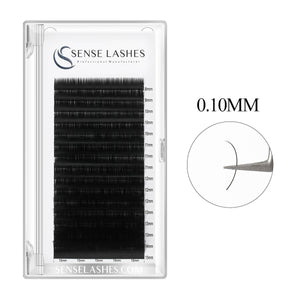
0,10 mm Premium Classic Wimpernverlängerung
LÄNGE: GEMISCHT 8-15MM
LOCKE: C
Sensitive Formula Options
For clients with sensitive eyes or contact allergies, low-fume or latex-free eyelash extension glue formulas are worth stocking. These typically cure slightly slower and have a reduced fume profile, but still provide solid retention when used in the right conditions.
What to Look for in a Professional Lash Glue
Choosing the right adhesive means looking past marketing claims and checking for practical specs that actually affect your work.
- Clear or black finish — black adhesive blends with lash liner for a cleaner, more seamless look
- Defined working conditions — the manufacturer should clearly list the recommended humidity and temperature range
- Flexible bond — the cured adhesive should move with the natural lash growth cycle, not crack or snap
- Batch consistency — reliable professional lash glue performs the same way from bottle to bottle
Red Flags in Low-Quality Adhesives
Some adhesives look like a good deal until they start causing problems mid-service. Watch out for these warning signs before committing to a new product.
- No listed cure conditions or expiration date on the packaging
- Unusually low price with no ingredient transparency
- Inconsistent texture or color between batches
- Strong, sharp chemical smell without adequate ventilation guidance provided
If a product checks more than one of these boxes, it's not worth the risk to your clients or your reputation.
FAQs About Eyelash Extension Glue and Lash Adhesive Curing
Q1: Does humidity really affect lash glue that much?
Yes — dramatically. Cyanoacrylate adhesive cures through a reaction with moisture, so humidity is one of the primary variables controlling cure speed. Even a 10–15% shift in humidity can turn a well-behaved adhesive into one that snaps instantly or refuses to set. Investing in a hygrometer and environmental controls is one of the most cost-effective upgrades a lash studio can make.
Q2: How often should I replace my lash glue?
Once opened, most professional lash glues should be replaced within 4–6 weeks. After that window, oxidation degrades the adhesive's performance even if it's been capped and stored correctly. Mark the open date on each bottle and discard on schedule — don't wait until you notice performance issues during a client appointment.
Q3: Can I use a fan to speed up lash adhesive curing?
Not always. A fan can help circulate air in a hot, humid room, but blowing air directly onto wet adhesive can cause it to cure unevenly or create a whitish film called blooming. If you need to speed up curing, a nano mister delivers controlled moisture that activates the reaction more reliably than airflow alone.
Q4: What's the shelf life of an opened lash glue bottle?
An opened bottle of eyelash extension glue typically lasts 4–6 weeks under proper storage conditions — kept upright, cap cleaned after each use, stored at room temperature away from sunlight. Unopened bottles generally last up to 6 months from the manufacture date. Always check the manufacturer's specific guidance, as formulas vary.
Q5: Why does my glue work fine in summer but fail in winter?
It depends on your studio environment. In winter, indoor heating dramatically reduces humidity, which slows the curing reaction. Your summer formula may work perfectly at 55% humidity but stall in winter at 30%. The fix is to either run a humidifier during cold months or switch to a faster-cure adhesive that performs better in lower-humidity conditions.
Get Consistent Results with the Right Professional Lash Glue
Cure speed problems are almost always environmental — and that means they're fixable. Once you understand how humidity, temperature, and glue age interact with lash adhesive curing, you can stop troubleshooting mid-appointment and start delivering consistent retention across every client. Monitor your room, match your glue to your speed, and replace bottles on schedule.
Hinterlassen Sie einen Kommentar