


Home Eyelash Extension Supplies Guide
The Green Eye Guide: Balancing Teal, Forest, and Earth Tones

The Science and Art of Enhancing Green Eyes
Green eyes are among the rarest phenotypic traits globally, occurring in approximately 2% of the population. For the professional lash artist, a client with green eyes represents both a high-value opportunity and a technical challenge. Unlike brown or blue eyes, which often possess more uniform undertones, green irises are highly sensitive to light refraction and surrounding color palettes.
The primary mistake observed in professional salons is treating all green eyes as a single category. In practice, assuming a "one-size-fits-all" approach leads to missed opportunities for vibrancy. This guide provides a definitive technical framework for balancing teal, forest, and earth tones to achieve professional-grade results that prioritize both aesthetic excellence and ocular health.
Identifying Iris Sub-Tones: Teal vs. Forest
The first step in a professional consultation is identifying the specific sub-tones within the iris. This requires examining the eye under both natural and artificial (cool-toned) light.
Teal Sub-Tones (Blue-Based)
Teal-green eyes possess a clear blue base. These irises often appear to "shift" color depending on the weather or clothing. To enhance these, a professional should lean into analogous color theory. Cool-toned lashes, such as deep teals or even subtle silver glitters, reinforce the existing blue-green pigments.
Forest and Olive Sub-Tones (Yellow/Gold-Based)
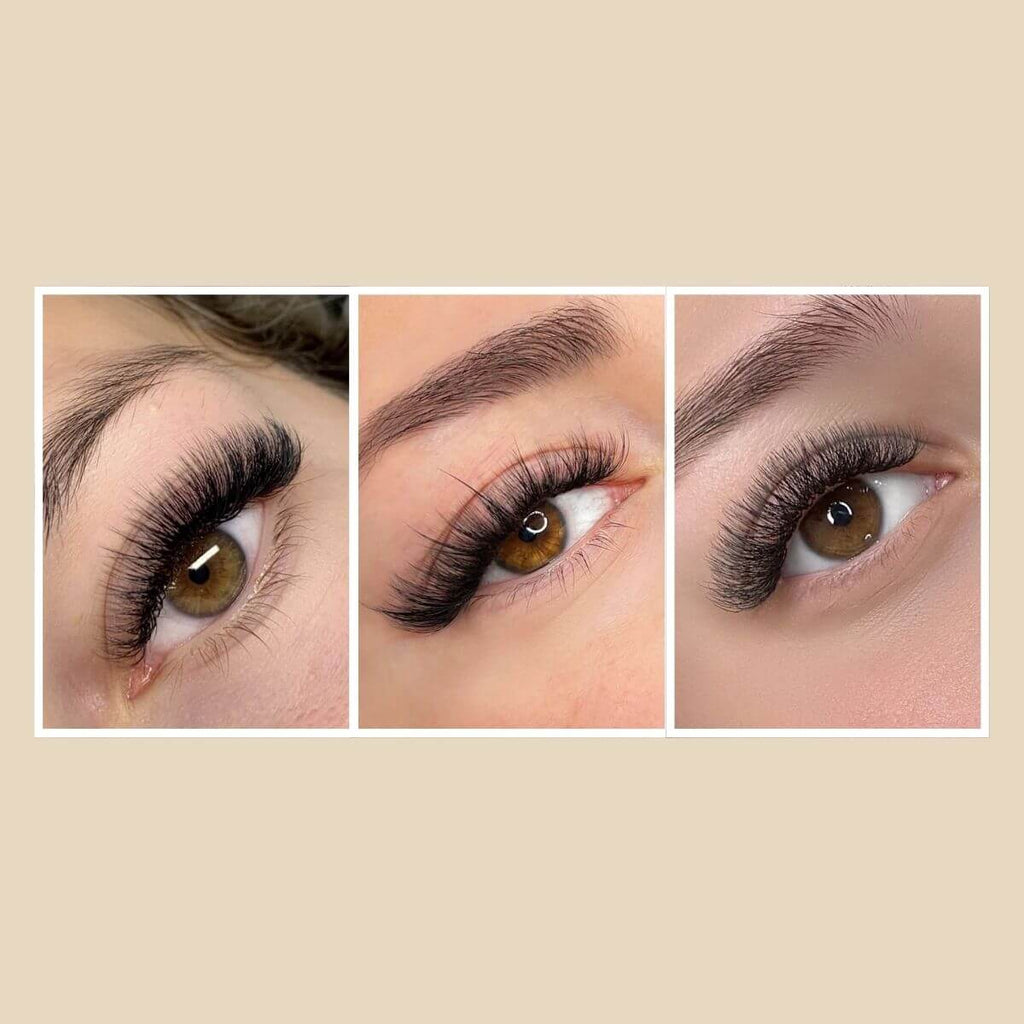
Forest green eyes typically feature yellow or gold flecks around the pupil. Using blue-based colored lashes on these clients is a common technical error; it often creates a muddy, dull effect because the cool tones clash with the warm gold flecks. Instead, these irises achieve maximum "pop" when paired with warm, reddish-browns.
Logic Summary: Our iris categorization model is based on standard color harmony heuristics. It assumes that the interaction between the lash pigment and the iris fleck color (chroma) determines the perceived vibrancy. This is a qualitative assessment tool for quick selection, not a quantitative spectral analysis.
| Iris Sub-tone | Base Pigment | Recommended Lash Tone | Effect |
|---|---|---|---|
| Teal / Seafoam | Blue | Teal, Cool Purple, Silver | Analogous Harmony |
| Forest / Olive | Yellow/Gold | Red-Brown, Copper, Espresso | Complementary Contrast |
| Emerald | Neutral | Deep Green, Black-Green | Monochromatic Depth |
The Color Theory Framework: Analogous vs. Complementary
When designing a set for green eyes, you must choose between two primary artistic paths: Analogous (matching) or Complementary (contrasting).
The Analogous Approach (Teal and Forest Greens)
Matching the lash color to the iris creates a soft, ethereal look. This is highly effective for clients seeking a "natural-plus" aesthetic. However, saturation is key. A green lash that is too bright can make the natural eye look grey. We recommend using deep forest or muted teal tones to provide a frame that is darker than the iris itself.
The Complementary Approach (Earth Tones and Red-Browns)
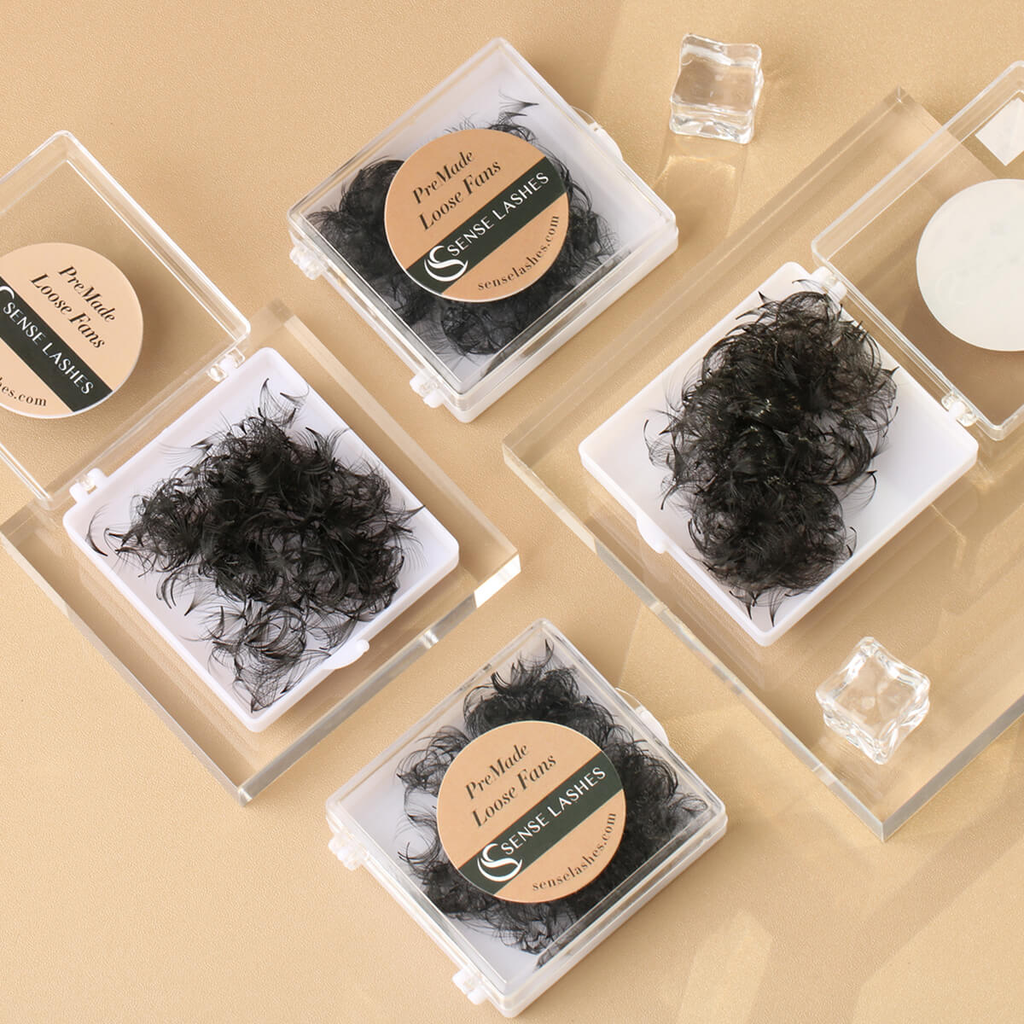
According to the color wheel, red is the complement of green. In lash artistry, we translate "red" into wearable earth tones. Using Brown 5D PreMade Loose Fans - 0.07 - 500 Fans provides a sophisticated contrast that makes the green of the iris appear more intense. The reddish undertones in high-quality PBT (Polybutylene Terephthalate) brown lashes act as a foil to the green, pulling the viewer's focus directly to the pupil.

Technical Application: The 1:4 Blending Rule
A common pitfall in colored lash application is over-saturation, which can distract from the client's natural beauty. For a wearable, professional finish, we utilize a specific blending ratio.
The Strategic Ratio
We recommend a ratio of 1 colored fan to every 4–5 black fans. This ensures the color is "discovered" rather than "displayed."
- Placement: Focus the colored fans in the mid-to-outer corners of the eye. This creates a "flick" of color that enhances the eye's shape.
- Inner Corner Caution: Avoid placing colored lashes at the very inner corner. Because the bridge of the nose creates a shadow, colored lashes here can appear as dark spots or make the eyes seem closer together (optically narrowing the intercanthal distance).
Texture and Finish
The finish of the fiber—matte versus shiny—significantly impacts blendability. Matte brown fibers, such as those found in Brown 12D PreMade Loose Fans - 0.05 - 500 Fans, integrate more seamlessly with natural lashes than high-shine or glitter lashes. If you are creating a textured, "Kim K" look, using 0.07mm Cashmere Volume Wispy Eyelash Extensions as spikes allows you to incorporate color at different depths of the lash line, adding three-dimensional interest.
Methodology Note (Blending Heuristic):
- Assumptions: Average natural lash count of 100 per eye.
- Model: 20% color saturation (20 colored fans, 80 black fans).
- Boundary Condition: If the client has sparse natural lashes (<60 per eye), reduce the ratio to 1:6 to prevent the color from looking patchy.
Ocular Health: The E-E-A-T Foundation of Professional Artistry
Expertise in lash artistry is not limited to color selection; it must be grounded in safety and clinical awareness. When working with colored lashes and various adhesives, understanding the physiological impact on the eye is non-negotiable.
Preventing Blepharitis and Infection
Poor hygiene is the leading cause of eyelid inflammation. According to the Mayo Clinic, Blepharitis is often caused by bacteria buildup at the base of the lashes. Professional artists must educate clients that "water is not enough."
Implementing a mandatory "Lash Shampoo" protocol is not just a retail opportunity; it is a clinical necessity. Furthermore, the CDC (Centers for Disease Control) emphasizes that proper hand hygiene and the use of disposable consumables (wands, patches) are critical in preventing the spread of conjunctivitis (pink eye) in salon environments.
Managing Chemical Sensitivity and Acrylates
Allergic contact dermatitis is a known risk in the industry. A study published in PubMed highlights that Ethyl Cyanoacrylate, the primary ingredient in most lash adhesives, can trigger immune responses in sensitive individuals.
Professionals should distinguish between irritation (caused by fumes) and allergy (an immune response). Irritation typically subsides within 24 hours, whereas an allergy may involve swelling and redness that persists. As noted in a late 2024 study on Eyelid Dermatitis, contact dermatitis patterns from acrylates can be delayed. We recommend a 48-hour patch test protocol for all new clients, especially when switching to new pigment-heavy colored lashes.
The Evolution of Adhesive Safety
In the past, adhesives were often associated with high formaldehyde release. A landmark study by Amano et al. (2012) identified that older glue formulas could cause keratoconjunctivitis due to acidic pH levels and chemical toxicity. Modern professional-grade adhesives, however, have evolved to balance pH levels and minimize off-gassing. When selecting an adhesive for intricate colored sets, look for formulas that prioritize stability and low-fume profiles.
Business Strategy: The 2025 Lash Investment Outlook
The global false eyelashes market is experiencing significant growth. According to Grand View Research, the demand for individual extensions and professional-grade supplies continues to rise as consumers shift away from DIY strips.
Compliance as a Competitive Advantage
For salon owners and distributors, compliance is the ultimate safeguard. Health Canada’s 2023-2024 Enforcement Report details high non-compliance rates regarding the labeling of cyanoacrylate-based products. By sourcing from manufacturers that provide transparent ingredient lists and adhere to global safety standards (such as FDA color additive restrictions), you protect your business from customs seizures and legal liability.
The "Safe Harbor" Manufacturing Model
Working with factory-direct suppliers who prioritize eye health over raw sales volume allows salons to mitigate the "compliance signaling gap." This means your clients can trust that the pigments in their teal or brown lashes are cosmetic-grade, rather than industrial dyes, as cautioned by the FDA's eye cosmetic safety guidelines.
| Resource Category | Authoritative Source | Key Takeaway for Professionals |
|---|---|---|
| Sanitation | CDC | Mandatory disposable wands & sterilization. |
| Lid Health | Mayo Clinic | Daily lash foam prevents Blepharitis. |
| Chemical Safety | Health Canada | Only use labeled, compliant adhesives. |
| Market Data | Grand View Research | Growing demand for specialized individual sets. |
Troubleshooting Common Issues
Even with perfect color selection, technical issues can arise. Understanding the "Why" behind these frustrations is what separates a technician from an artist.
Dry Eyes vs. Adhesive Allergy
If a client complains of burning, do not immediately assume a product fault. According to WebMD, dry eye syndrome can be exacerbated by lash fumes. If the burning occurs primarily during the application and subsides quickly after using a nano-mister, it is likely a moisture-related sensitivity rather than an allergic reaction to the acrylate.
Mechanical Damage and Weight
The weight of the extension is critical for long-term natural lash health. A 2024 study on Ocular Disorders emphasizes that mechanical damage is a primary risk of extensions. Using lightweight options, such as Brown 16D PreMade Loose Fans - 0.05 - 500 Fans, allows you to achieve high-volume looks without the excessive weight that can lead to traction alopecia or meibomian gland dysfunction.
Microbiome and Tear Film Stability
Long-term wear can alter the ocular surface microbiome. Research published in PMC indicates that extensions can impact tear stability. To counter this, professionals should use primers that restore pH balance after application, ensuring the delicate ecosystem of the eye remains protected.
Final Professional Takeaways
Mastering the green eye palette requires a blend of artistic intuition and scientific rigor. By identifying the specific sub-tones of the iris—teal or forest—and applying color theory through strategic ratios, you can elevate your service from standard to bespoke.
- Analyze the Iris: Use natural light to find the base pigment (blue vs. gold).
- Select the Tone: Use reddish-browns for contrast (forest eyes) and teals for harmony (teal eyes).
- Respect the Ratio: Stick to a 1:4 or 1:5 color-to-black ratio for a professional, wearable finish.
- Prioritize Health: Use the American Academy of Ophthalmology (AAO) safety guidelines to develop your client consent forms and sanitation SOPs.
- Educate the Client: Explain why daily cleaning is a medical necessity, not just an aesthetic one.
By grounding your artistry in these technical and clinical foundations, you build a reputation as a trusted expert, ensuring both the beauty and the safety of every client who enters your salon.
Disclaimer: This article is for informational purposes only and does not constitute professional medical or legal advice. Always consult with a qualified healthcare provider regarding ocular health concerns or a legal professional regarding local cosmetic regulations and compliance.
References
- Centers for Disease Control and Prevention (CDC). Conjunctivitis Prevention.
- Mayo Clinic. Blepharitis: Symptoms and Causes.
- Health Canada. Compliance Verification Project 2023-2024: Cosmetic Regulations.
- American Academy of Ophthalmology (AAO). Eyelash Extension Safety.
- Amano, Y., et al. (2012). "Ocular disorders associated with eyelash extensions." PubMed.
- Grand View Research. False Eyelashes Market Size & Growth.
- PMC. Impact of Eyelash Extensions on Ocular Surface Microbiome.