


Home Eyelash Extension Supplies Guide
Gloss vs. Matte Colored PBT: Evaluating Visual Impact on Sets

The Science of Sheen: Understanding PBT Fiber Finishes
In the specialized world of editorial and high-impact lash artistry, the choice of material is not merely a matter of brand preference; it is a technical decision that dictates the final visual outcome. Polybutylene Terephthalate (PBT), the thermoplastic semi-crystalline polymer used in professional lash extensions, is prized for its shape memory, durability, and chemical resistance. However, the surface finish of these fibers—specifically the distinction between high-gloss and matte—fundamentally alters how light interacts with the lash set.
As a professional lash artist, selecting the correct sheen is as critical as choosing the right curl or diameter. The visual impact of a colored set depends on "specular reflection" versus "diffuse reflection." Glossy fibers provide specular reflection, where light bounces off the smooth surface in a single direction, creating high-contrast highlights. Matte fibers, conversely, utilize diffuse reflection, scattering light in multiple directions to create a softer, more integrated appearance.
This article evaluates the visual impact of gloss and matte colored PBT, providing a framework for artists to optimize their designs based on lighting conditions, client needs, and technical proficiency.
Gloss vs. Matte: A Technical Comparison
The surface texture of a lash extension is determined during the manufacturing process. High-gloss lashes undergo a specific heat-sealing or coating process that creates a glass-like exterior. Matte lashes are manufactured with a micro-textured surface that disrupts light waves.
| Feature | High-Gloss PBT | Matte PBT |
|---|---|---|
| Light Interaction | Specular Reflection (Sharp highlights) | Diffuse Reflection (Soft glow) |
| Color Perception | Increases saturation and vibrancy | Softens tones; creates "wearable" color |
| Technical Difficulty | High (Exaggerates fanning errors) | Moderate (Forgiving of minor gaps) |
| Best Use Case | Editorial, Fantasy, "Wet Look" | Daily wear, Sophisticated blending |
| Texture Mimicry | Synthetic/Plastic appearance | Natural hair/Mink-like texture |
Logic Summary: This comparison is based on optical physics principles and generalized observations from professional application settings. It assumes standard salon lighting (approx. 5000K-5600K) and professional-grade PBT fibers.
The Impact of High-Gloss Finishes
High-gloss colored lashes are the hallmark of editorial and avant-garde sets. When using a vibrant color, such as the pigment in royal blue or emerald green, a glossy finish acts like a magnifying glass for the hue. The smooth surface allows the pigment's true depth to shine through without the interference of surface shadows.
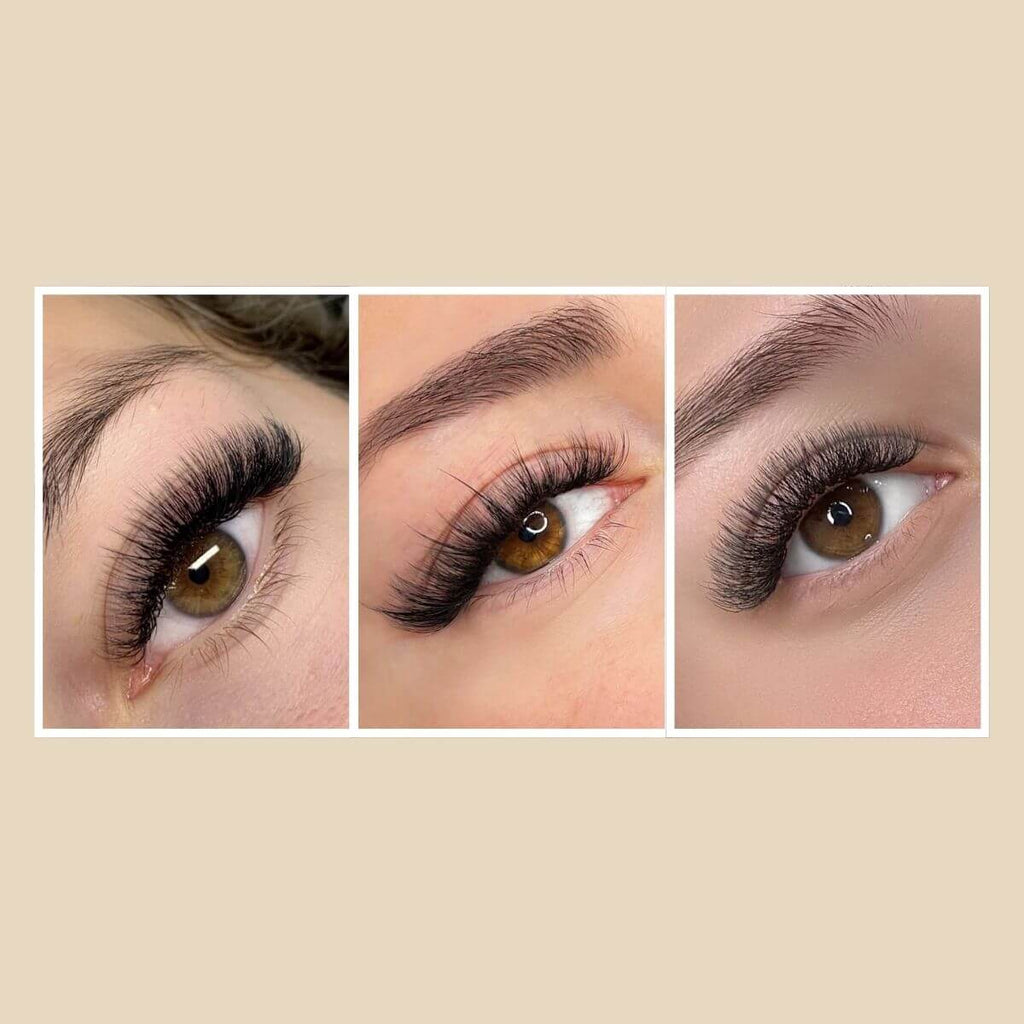
However, gloss comes with a "technical tax." Because light reflects so sharply off the surface, any inconsistency in your fanning technique—such as a fan that hasn't perfectly "bloomed" or a slight overlap in the base—will be highlighted by the light bounce. Furthermore, gloss-finish lashes are often used to create the popular "wet look" effect. By using products like 0.07mm Cashmere Volume Wispy Eyelash Extensions, artists can achieve a textured, high-shine spike that mimics the appearance of lashes freshly coated in serum or water.
The Impact of Matte Finishes
Matte finishes are increasingly favored for clients seeking a sophisticated, high-end look. A matte black or brown base provides a "blackout" effect that appears denser because the lack of reflection prevents light from "leaking" through the gaps in the lash line.
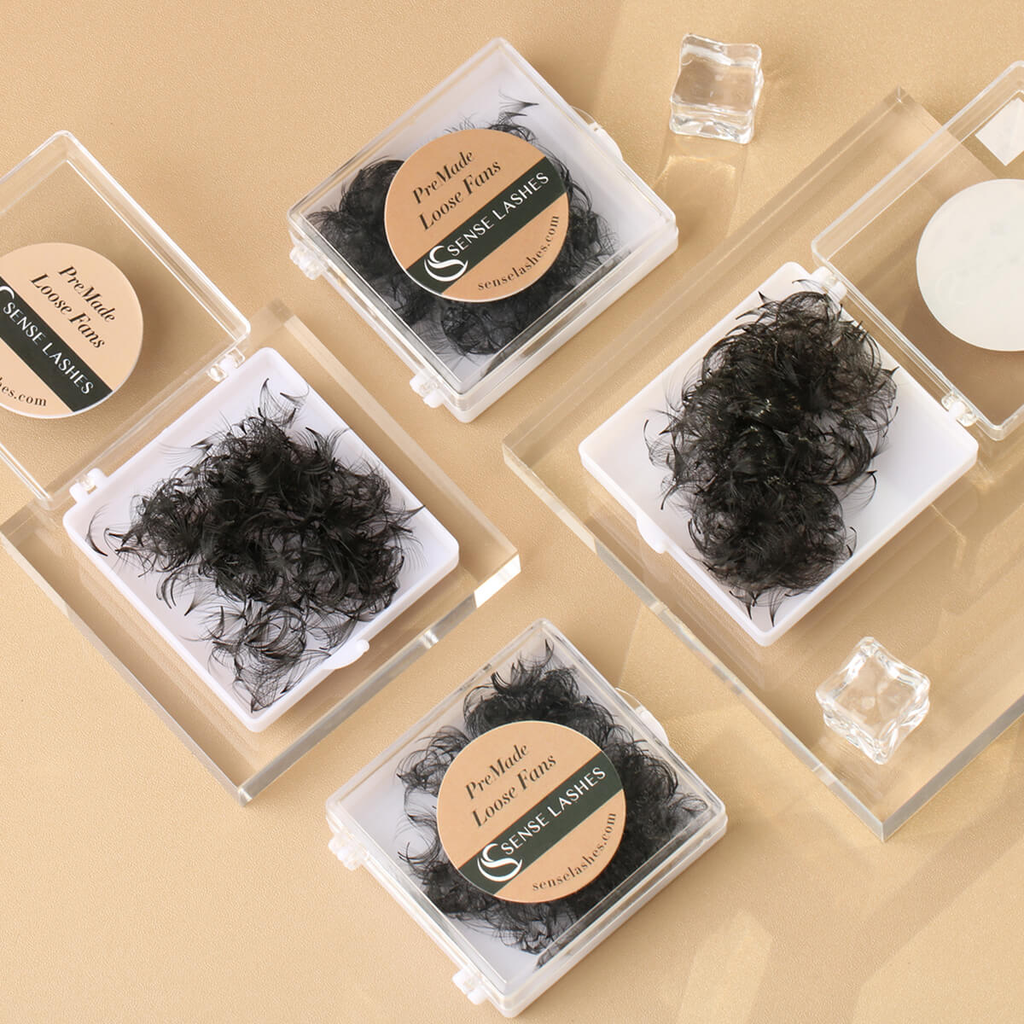
When working with muted or pastel tones, such as lavender or peach, a matte finish is essential. It allows the color to blend seamlessly with the natural lashes, preventing the "plastic" look that can sometimes occur with colored synthetics. For artists transitioning clients into colored sets, using Brown 6D PreMade Loose Fans - 0.07 - 500 Fans provides a soft, diffused chocolate tone that offers a subtle "pop" without the harshness of a high-shine finish.

Environmental and Biological Considerations
The choice between gloss and matte is not purely aesthetic; it also intersects with the client's ocular health and environmental conditions.
Hygiene and the "Gleam" Factor
A common mistake in the industry is applying high-gloss lashes to clients with naturally oily eyelids or those living in high-humidity climates. Sebum (oil) naturally has a high refractive index. When oil accumulates on a glossy PBT fiber, the combined sheen can make the lashes appear "greasy" or clumpy much faster than a matte fiber would.
More importantly, poor hygiene leads to bacterial buildup. According to the Mayo Clinic, Blepharitis is a common eyelid inflammation often caused by clogged oil glands and bacteria at the base of the lashes. While the fiber finish itself doesn't cause Blepharitis, the perception of cleanliness does. Matte lashes can sometimes hide the early signs of "lash crusties" (biofilm), whereas gloss lashes might make them more apparent. Regardless of the finish, daily cleaning with a professional foam cleanser is non-negotiable to prevent conditions like Demodex mite infestations, as highlighted in research published via PMC.
Adhesive Chemistry and Retention
The surface energy of the PBT fiber affects how the cyanoacrylate adhesive bonds. While modern manufacturing has bridged the gap, some matte fibers have a slightly higher surface area due to their micro-texture, which can theoretically improve the mechanical bond of the adhesive.
However, the safety of the adhesive is the primary concern. Recent reports from Health Canada (2023-2024) emphasize the need for strict compliance regarding cyanoacrylate ingredients. Artists must ensure their glue is not only compatible with their chosen fiber finish but also meets international safety standards to prevent allergic contact dermatitis, a risk detailed in PubMed studies regarding Ethyl Cyanoacrylate.
Strategic Application: The 70/30 Rule
Experienced artists often avoid using a single finish for an entire set. Instead, they utilize a "hybrid sheen" approach to create depth and focal points.
The Logic of the 70/30 Ratio
We recommend a heuristic of 70% matte fibers to 30% gloss fibers for a balanced, high-impact set.
- The 70% (Matte): This forms the "foundation" or the "bulk" of the set. It provides the density and the wearable color blend.
- The 30% (Gloss): These are placed as "spikes" or focal points in the top layer. The gloss reflects studio lighting, drawing attention to the artistry without overwhelming the eye with a plastic-like glare.
Methodology Note (Scenario Modeling):
- Assumptions: Model assumes a 3-layer lash mapping technique.
- Parameters:
Parameter Value Rationale Base Layer Matte Provides maximum density and "blackout" Middle Layer Matte Maintains color consistency Top Layer Gloss Creates light-reflective "peaks" - Boundary Condition: This ratio may shift to 100% gloss for specific editorial "fantasy" sets where a glass-like finish is the intended artistic goal.
Choosing Color Based on Finish
The perceived intensity of a color is inextricably linked to its finish. Based on our observations in professional studio settings:
- Vibrant/Primary Colors (Royal Blue, Red): Gloss finishes make these colors appear more "electric."
- Pastel/Muted Colors (Lavender, Mint): Matte finishes are required to prevent these light colors from looking washed out or "cheap" under bright lights.
- Natural Tones (Dark Brown, Espresso): Matte is preferred for a realistic look. Using Brown 8D PreMade Loose Fans - 0.07 - 500 Fans in a matte finish allows for a voluminous yet believable extension of the natural lash line.
Safety Protocols in Professional Artistry
Every technical choice in lash artistry must be grounded in client safety. The American Academy of Ophthalmology (AAO) notes that risks such as infection and trauma can be mitigated through proper professional protocols.
Preventing Mechanical Damage
The weight and diameter of the colored PBT fiber are just as important as the finish. A common misconception is that glossy lashes are heavier. In reality, weight is a function of diameter and length, not sheen. Using ultra-lightweight fibers, such as Brown 12D PreMade Loose Fans - 0.05 - 500 Fans, ensures that even a mega-volume set remains safe for the natural lash. This is supported by PubMed research (2024) which emphasizes that mechanical damage is a leading cause of traction alopecia in lash wearers.
Chemical Safety and pH Balance
Historically, lash adhesives were known to release high levels of formaldehyde and have acidic pH levels that caused ocular distress. A landmark study by Amano et al. (2012) identified these issues. Modern professional artistry requires the use of pH-balanced primers and sealants to restore the lash cuticle after application. This protects the ocular surface microbiome, a critical factor for long-term lash health discussed in recent 2024 PMC investigations.

Troubleshooting and Professional Outcomes
When a client experiences irritation, it is vital to distinguish between a product reaction and an environmental factor. As noted by WebMD on Dry Eyes, lash fumes can exacerbate existing dry eye syndrome. If a client complains of burning, the artist should evaluate the humidity levels and adhesive curing speed rather than immediately blaming the lash fiber.
The Removal Process: A Safety Critical Step
Choosing the right removal product is as important as the application. Mechanical rubbing during removal can lead to corneal abrasions. A case report in PMC details how improper removal techniques can cause significant ocular trauma. We strongly recommend non-drip cream removers over liquid alternatives to prevent the solvent from entering the eye.
Salon Sanitation SOP
To maintain a professional and safe environment, artists should follow the CDC guidelines on preventing the spread of conjunctivitis. This includes:
- Using disposable wands and patches for every client.
- Sterilizing all metal tools in a medical-grade autoclave or high-level disinfectant.
- Educating clients on the "Why Water is Not Enough" philosophy for lash hygiene.
Final Decision Framework for Artists
Selecting between gloss and matte colored PBT is an act of balancing artistic vision with technical reality.
Choose High-Gloss When:
- Creating a "Wet Look" or editorial set.
- The goal is maximum color vibrancy for photography.
- Your fanning technique is flawless and can withstand the scrutiny of sharp light reflection.
- Using products like 0.07mm Cashmere Volume Wispy Eyelash Extensions for textured spikes.
Choose Matte When:
- Designing for daily wear or professional environments.
- The client has oily skin or lives in a humid climate.
- You are using pastel or muted colors that require a soft blend.
- Utilizing Brown 12D PreMade Loose Fans - 0.05 - 500 Fans for a soft, voluminous brown set.
By mastering the science of sheen, you elevate your artistry from simple application to intentional design. Understanding how light, chemistry, and biology interact allows you to provide not only beautiful sets but also a safe, professional experience that keeps your clients' ocular health as a top priority.
Disclaimer: This article is for informational purposes only and does not constitute professional medical or legal advice. Always consult with a qualified healthcare provider regarding eye health concerns and ensure compliance with local cosmetic regulations.
References
- CDC - Conjunctivitis Prevention
- Mayo Clinic - Blepharitis Symptoms and Causes
- American Academy of Ophthalmology - Eyelash Extension Safety
- Health Canada - Cyanoacrylate Compliance Report 2023-2024
- PubMed - Allergic Contact Dermatitis from Cyanoacrylate
- PMC - Ocular Surface Changes and Lash Extensions
- Amano et al. (2012) - Formaldehyde and pH in Lash Adhesives
- PMC - Corneal Abrasion Case Study