


Home Eyelash Extension Supplies Guide
Blue Eye Enhancement: Using Copper and Gold for Visual Contrast

The Psychology and Physics of Blue Eye Enhancement
In the competitive landscape of professional lash artistry, differentiation is achieved through a deep understanding of color theory and technical precision. For clients with blue or grey eyes, the goal is rarely just length or volume; it is the creation of a visual contrast that makes the iris pop. While traditional carbon black lashes provide a stark frame, they can sometimes overwhelm the delicate cool tones of a light-colored iris.
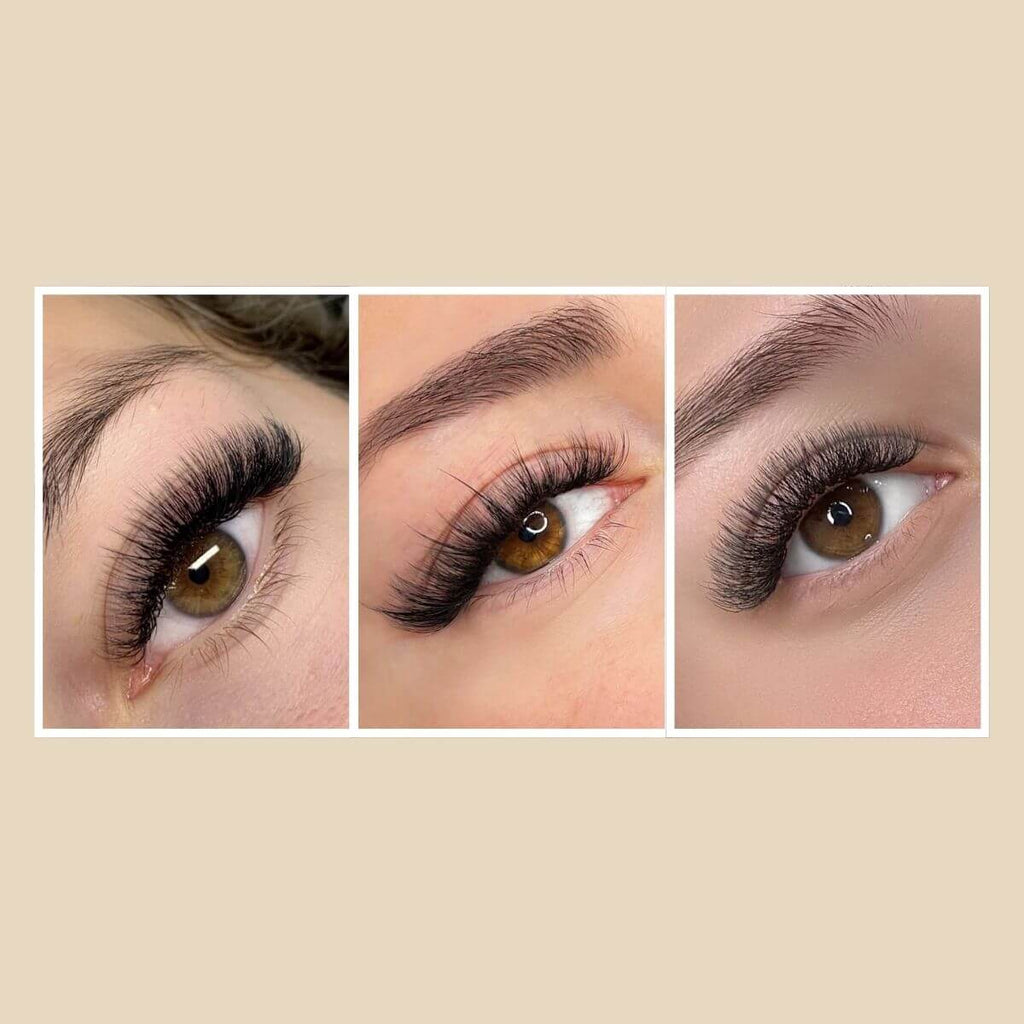
According to color theory principles, blue sits directly opposite the orange-red-yellow spectrum on the color wheel. This means that copper, bronze, and gold tones act as the perfect complementary shades to enhance blue eyes. By integrating these warm accents into a set, you create a "vibrancy effect" where the warm tones of the extensions pull the cool tones of the eye forward. This technique, often referred to as "iris illumination," is a hallmark of advanced artistry.
However, moving from standard black to colored sets requires a shift in both mapping logic and adhesive management. We often observe that the transition from a traditional "safe" set to a high-contrast creative set is where most artists encounter friction points—specifically regarding retention and client sensitivity to pigments.
The Copper and Gold Complementary Framework
To achieve a sophisticated look that avoids the "costume" feel of bright primary colors, professional artists utilize a blending strategy. The foundation of this artistry usually involves high-quality brown extensions, which provide a softer, more natural transition than black.
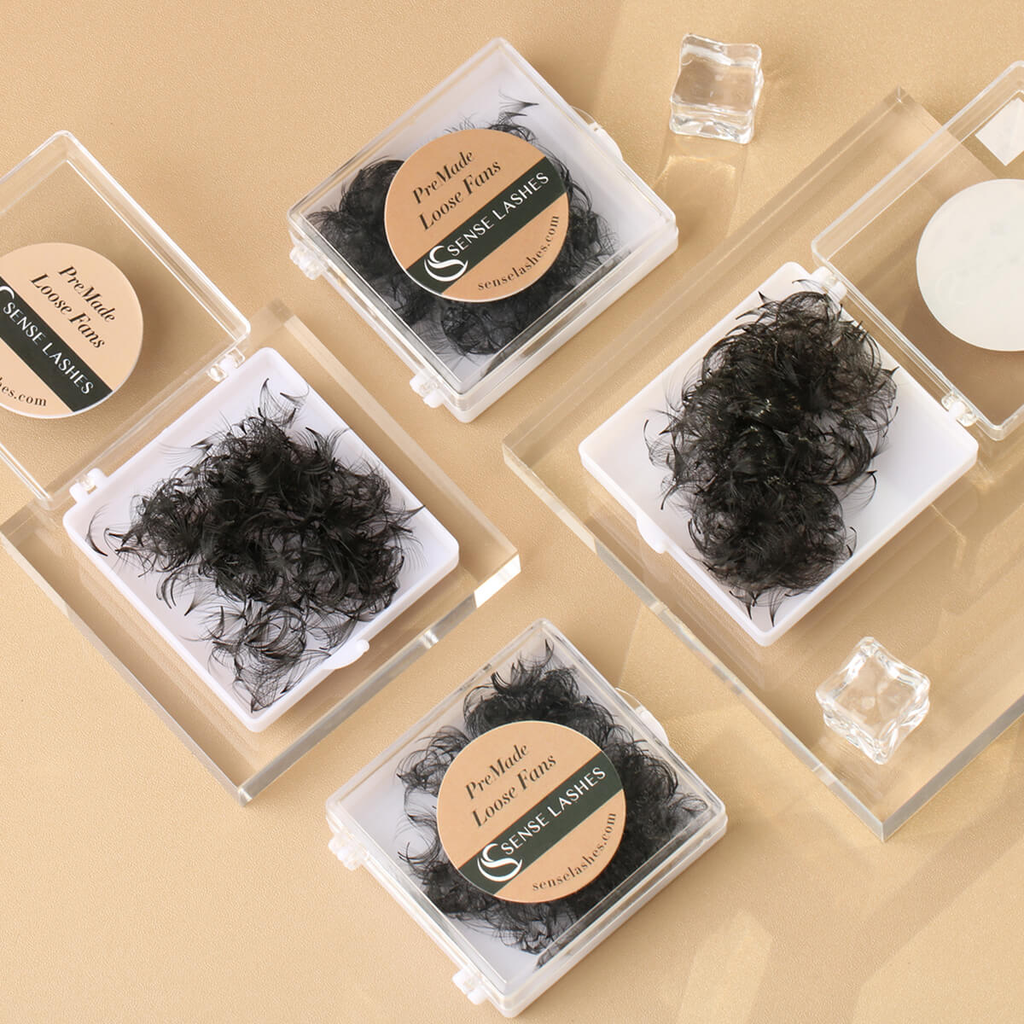
Using products like the Brown 6D PreMade Loose Fans - 0.07 - 500 Fans allows for a rich, chocolatey base that harmonizes with the warmth of copper and gold accents. When selecting these tones, it is crucial to consider the client's skin undertones. Cool-toned skin pairs beautifully with champagne gold, while warm-toned skin is elevated by deep copper and bronze.
Logic Summary: Color Harmony Modeling Our color selection model assumes a three-tier approach based on common industry heuristics:
- Base Layer: 70-80% Brown or Dark Brown to maintain depth.
- Accent Layer: 10-15% Copper/Bronze for contrast.
- Highlight Layer: 5% Gold/Glitter for focal points.
- Boundary Condition: This model may not apply to clients with extremely dark natural lashes where a higher ratio of black-brown is needed for seamless blending.

Technical Mapping: The "1:6" Rule for Subtle Impact
A common mistake in creative lash sets is the "block color" approach, where an entire section of the eye is lashed with a single bright color. This often results in a dense, opaque strip that looks artificial and can actually distract from the iris.
For a natural yet impactful enhancement, we recommend the 1:6 Accenting Heuristic. This involves placing one colored accent fan for every five to seven black or dark brown lashes. This ratio ensures that the color is "woven" into the set, creating a shimmering effect rather than a solid line.
Strategic Placement Zones
- The Outer Third: This is the most effective area for copper accents. Placing warm tones here elongates the eye and provides a "sunset" effect that complements blue irises.
- The Mid-Layer: By placing gold accents in the middle layer of the lash map, you create depth. When the client blinks, the gold catches the light without being overwhelming when the eyes are open.
- The Bottom Row: As discussed in our guide on The Eyeliner Effect: Mapping Stronger Curls on Bottom Rows, using a slightly darker brown on the bottom row can define the lash line while the upper layers carry the lighter copper tones.
For volume sets, experts recommend using smaller fans for colored accents. Instead of a dense 10D fan, use a Brown 5D PreMade Loose Fans - 0.07 - 500 Fans to ensure the color remains airy and translucent.
Adhesive Dynamics: Overcoming Retention Hurdles with Colored PBT
Working with colored lashes—particularly those with metallic or glitter finishes—presents unique chemical challenges. The manufacturing process for colored PBT (Polybutylene Terephthalate) often involves different pigment loads or surface coatings compared to standard carbon-black extensions.
The "Smooth Surface" Phenomenon
Practitioners note that glitter and metallic variants can have a microscopically smoother surface than matte black lashes. This can lead to "sliding" during application or premature shedding if the adhesive does not have sufficient "grip."
To counteract this, we suggest two primary adjustments:
- Viscosity Control: Use an adhesive with a slightly higher viscosity. A "syrupy" glue provides a better mechanical wrap around the smooth base of a colored fan.
- Humidity Management: Ensure your room humidity is at the optimal range for your specific adhesive (typically 45-55%). If the humidity is too low, the glue cures too slowly, increasing the risk of the colored fan shifting before it bonds.
Methodology Note: Adhesive Performance Modeling
Parameter Value/Range Unit Rationale Adhesive Viscosity 100 - 150 cps Higher viscosity for better PBT wrapping Room Humidity 45 - 55 % Standard cyanoacrylate curing window Room Temperature 20 - 22 °C Optimal for chemical stability Attachment Area 2 - 3 mm Necessary for secure bonding on smooth surfaces Cure Time 1 - 2 sec Balance between speed and placement accuracy
The Professional Safety Standard: From Sanitation to Sensitivity
Artistry must never compromise health. When introducing new pigments or materials like glitter, the risk of irritation or allergic reactions increases. According to a PubMed (Dermatitis Study), allergic contact dermatitis is a known risk with cyanoacrylate-based adhesives, and certain dyes can exacerbate this in sensitive individuals.
The Salon Sanitation SOP
To maintain the highest professional standards and adhere to CDC (Centers for Disease Control) guidelines on preventing infection, every salon should implement a strict Standard Operating Procedure (SOP):
- Disposable Consumables: Use fresh wands and patches for every client.
- Tool Sterilization: Use medical-grade autoclaves or chemical sterilants for tweezers.
- Hand Hygiene: Wash hands before and after every client contact to prevent the spread of conjunctivitis.

Preventing Blepharitis and Ocular Surface Disease
Poor lash hygiene is the leading cause of blepharitis, an inflammation of the eyelids. The Mayo Clinic (Blepharitis) notes that bacteria and oil buildup at the lash base can cause significant discomfort.
As an artist, you must educate your clients that "water is not enough." Daily cleaning with a specialized lash shampoo is non-negotiable, especially when using complex volume sets like Brown 10D PreMade Loose Fans - 0.07 - 500 Fans. This prevents the buildup of biofilm and protects the client's long-term eye health. Furthermore, recent research in PMC (Ocular Surface Disease) suggests that long-term wear can alter the ocular microbiome, making post-application sealants and pH-balanced primers essential tools for the modern artist.
The Patch Test Protocol
Before applying a full set of copper or gold accents, a patch test is mandatory. Apply 2-3 colored lashes using your standard adhesive behind the ear or on the outer corner of the eye 24-48 hours before the appointment. This helps identify delayed hypersensitivity reactions, as noted in recent PubMed (Eyelid Dermatitis) research.
Strategic Business Growth: Scaling with Private Label and Compliance
For salon owners, offering specialized color services like "Blue Eye Enhancement" is a high-margin opportunity. By positioning yourself as a color specialist, you move away from price-based competition and into value-based artistry.
The 2025 Lash Business Investment Report
Data from Grand View Research indicates a significant CAGR (Compound Annual Growth Rate) in the eyelash extension market, with a growing segment of consumers seeking personalized, non-traditional aesthetics. This is the ideal time to transition from a service provider to a brand owner. Utilizing private label services allows you to curate your own line of copper and gold accents, ensuring consistency and brand loyalty.
Import Compliance and Safety
As you scale, understanding global regulations is vital. The Health Canada (2023-2024 Report) highlights increasing scrutiny on cyanoacrylate-based products and labeling. Partnering with a manufacturer that prioritizes compliance ensures that your inventory is safe from customs seizures and that your clients are protected from substandard chemical formulas.
Diagnostic Troubleshooting for the Professional
Client complaints of "burning" or "redness" are often misinterpreted. Use the following guide to differentiate between product issues and client conditions:
- Dry Eye Syndrome: As detailed by WebMD (Dry Eyes), lash fumes can exacerbate existing dry eye conditions. If the redness is generalized and accompanied by a "gritty" feeling, it may be dry eyes rather than an allergy.
- Chemical Burns: These usually present as a localized red spot on the sclera (the white of the eye). This is often caused by the eye being slightly open during application, allowing fumes to enter. Using high-quality Gel Patches and Tape for proper isolation is the best preventative measure.
- Formaldehyde Sensitivity: While modern adhesives have evolved, some still release trace amounts of formaldehyde during curing, a fact identified in the landmark study by Amano et al. (2012). Switching to a sensitive formula or using a nano-mister to "shock cure" the outer layer of the adhesive can significantly reduce these fumes.

Key Takeaways for the Master Artist
- Color Theory is Your Edge: Use copper and gold to create complementary contrast for blue eyes, but always maintain a brown base for natural depth.
- Precision in Ratios: Adhere to the 1:6 ratio for accents to prevent an artificial, "blocked" appearance.
- Adhesive Mastery: Increase viscosity and manage humidity when working with smooth-surfaced colored PBT.
- Safety First: Implement a Salon Sanitation SOP based on CDC guidelines and use client consent forms that reference AAO (American Academy of Ophthalmology) safety standards.
- Educate for Retention: Market lash shampoo as "Blepharitis Prevention" to ensure clients maintain hygiene and retention.
- Scale with Compliance: Use high-quality, compliant supplies to build a trustworthy brand in the growing global market.
By mastering the intersection of color science and ocular health, you elevate your practice from a routine service to a bespoke aesthetic experience. Whether you are using the Brown 16D PreMade Loose Fans - 0.05 - 500 Fans for a mega-volume effect or subtle 5D fans for a classic enhancement, the principles of contrast and safety remain the foundation of professional success.
Disclaimer: This article is for informational purposes only and does not constitute professional medical, legal, or financial advice. Eyelash extension application involves risks including infection, allergic reactions, and ocular injury. Always consult with a medical professional regarding eye health concerns and ensure compliance with local regulations regarding cosmetic applications.
Sources
- CDC - Conjunctivitis Prevention
- Mayo Clinic - Blepharitis Symptoms and Causes
- American Academy of Ophthalmology - Eyelash Extension Safety
- FDA - Eye Cosmetic Safety
- Health Canada - Cosmetic Regulations Enforcement Report
- PubMed - Allergic Contact Dermatitis from Cyanoacrylate
- Grand View Research - False Eyelashes Market Analysis