


Does Crying Make Your Eyelashes Longer? The Science Explained

Evidence shows tears do not trigger lash growth. This post examines tear biochemistry, protocols for crying clients, and proven reasons for lash growth.
Crying does not make eyelashes longer. No peer-reviewed study has ever linked tear exposure to lash follicle activation or growth cycle changes. This article covers the biochemistry behind that answer, how tears interact with lash extensions and lash lifts at different stages, and a practical protocol for managing clients who cry during or after a service.
Does Crying Actually Make Your Eyelashes Longer?
Clients ask this because the visual effect after crying is convincing. The science behind why it happens, and why it is not growth, gives you the language to answer confidently.
The Direct Answer
No. Tears do not stimulate lash follicles or affect the growth cycle in any measurable way. There is no scientific evidence that crying promotes eyelash growth.
The claim spread on TikTok in 2022 and 2023 when creators posted before-and-after comparisons. What those creators observed was a temporary optical change, not biological growth.
Clients who've seen that content will appreciate a straightforward explanation.
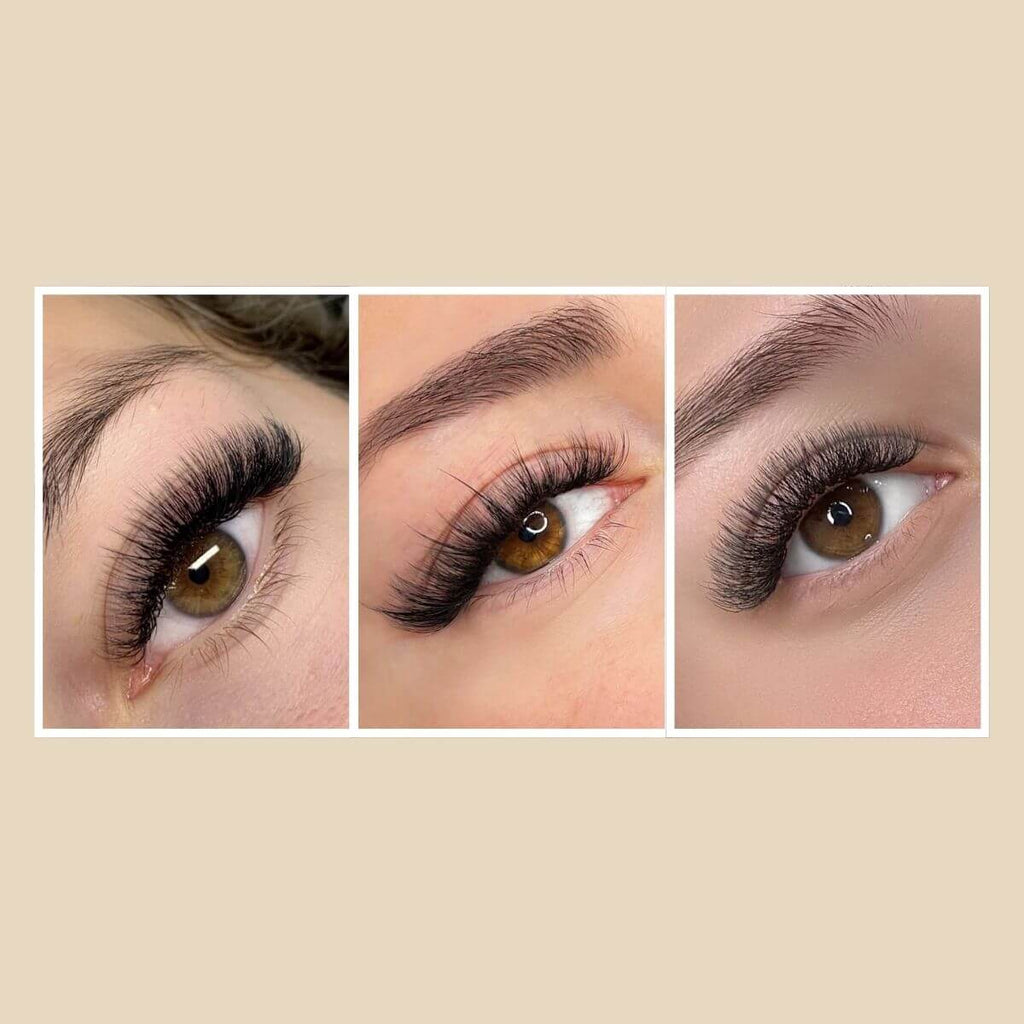
Why Lashes Look Longer After Crying
Four simultaneous effects make lashes appear longer and fuller immediately after crying. All four disappear within one to two hours as tears dry.
-
Wet clumping: Moisture groups individual lashes together, creating the impression of thicker, denser coverage.
-
Glossy finish: Water increases light reflection, making lashes appear darker and more defined.
- Puffy eyelids: Swelling from crying pushes the lash line forward, making lashes look more prominent by contrast.
-
Pupil dilation: Emotional arousal causes mild pupil enlargement, drawing more attention to the eye area and reinforcing the impression of length.
What Tears Are Actually Made Of and Why They Cannot Grow
Lashes
The gap between tear composition and what lash follicles respond to makes this myth easy to disprove. Two factors explain it: what tears contain, and how they reach (or fail to reach) the follicle.
The Chemical Composition of Emotional Tears
Tears contain water, lipids, electrolytes, and lysozyme (an antibacterial enzyme). Emotional tears carry additional components: prolactin, cortisol, and leucine-enkephalin, a natural painkiller. These are present in trace amounts and are flushed from the eye surface almost immediately. They do not penetrate the eyelid skin or reach hair follicles.
| Component | Tears | Effective Lash Serum |
|---|---|---|
| Water | Primary base | Carrier only |
| Lipids | Present (lubrication) | Absent |
| Electrolytes | Present | Absent |
| Prolactin | Trace (emotional tears) | Absent |
| Peptides | Absent | Present (key active) |
| Prostaglandin analogs | Absent | Present (prescription-grade) |
| Biotin derivatives | Absent | Present (OTC formulas) |
Lash serums work because active ingredients are formulated to contact and act on the follicle directly. Tears reach the eye surface and nothing further.
How the Lash Growth Cycle Actually Works
Lash follicles follow a fixed three-phase cycle. No surface moisture can interrupt or extend it.
-
Anagen (growth phase): Lashes grow actively for 30 to 70 days. The length of this phase determines maximum lash length.
-
Catagen (transition phase): The follicle shrinks and lash growth stops. This lasts approximately two to three weeks.
- Telogen (resting phase): The lash sits in the follicle for several months before shedding naturally.External moisture cannot push a follicle from telogen into anagen or extend the anagen phase. There is no delivery mechanism for it to do so.
One detail worth knowing: research suggests prolactin may accelerate the shift from anagen to catagen, though this finding comes primarily from scalp hair studies and has not been directly replicated in eyelash follicles. If the mechanism does apply to lashes, high-frequency emotional crying could theoretically have a mild negative effect on growth, not a positive one.
Could Crying Ever Indirectly Benefit Your Lashes?
There is one narrow indirect pathway worth acknowledging. It does not involve tears themselves, but it explains why some clients report improved lash density after emotionally difficult periods.
The Stress-Cortisol-Lash Connection
Chronically elevated cortisol is associated with telogen effluvium, a condition where follicles shift prematurely into the resting phase. This mechanism applies to lashes as well as scalp hair.
Crying as an emotional release can temporarily lower cortisol. If a client uses crying as part of managing ongoing stress, and that stress reduction supports better sleep and nutrition over time, their lash health may improve. The driver is the lifestyle improvement, not the act of crying or the tears.
Clients who say "my lashes got better after a hard time when I cried a lot" are likely noticing a change in overall health, not an effect from crying itself. Their overall health shifted as circumstances changed.
The Eye Hygiene Angle
Tears flush debris and bacteria from the lash line. A cleaner lash line supports a marginally healthier follicular environment. This does not replace a proper lash cleanser, especially for clients with extensions. It does mean that crying is not inherently harmful to lash hygiene, which some clients worry about unnecessarily.
Do Tears Damage Lash Extensions?
The answer depends on where your client is in the adhesive curing timeline and what service they received. The risk profile is different for extensions during the curing window, extensions after full cure, and lash lifts.
Do Tears Damage Extensions During the Curing Window?
Lash adhesive typically requires 24 to 48 hours to fully cure, though the exact window varies by formula and environmental humidity. If a lash bonder was applied at the end of the service, this window shortens substantially, and some formulas allow safe moisture contact within minutes of application. Without a bonder, moisture exposure during the curing period speeds up the hardening process but produces a weaker bond than a full, undisturbed cure.
If your client cries during the curing window, the water and salt content in tears can reduce the final bond strength. This shortens retention, not catastrophically from a single exposure, but noticeably if it happens multiple times in the first 24 hours.
Adjust your aftercare language based on whether a bonder was used. For clients who did not receive one: "The first 48 hours determine how long your lashes last. Keep moisture away during that window." For clients who did, confirm the specific timeframe based on the product you applied.
Do Tears Damage Extensions After the Adhesive Fully Cures?
No. Once the adhesive is fully cured, it is waterproof. Tears themselves will not dissolve or structurally damage the bond.
The risk shifts to behavior. These actions cause mechanical stress at the lash root, regardless of the curing stage:
- Wiping tears laterally with a tissue across the lash line
- Rubbing the eye with fingers
- Pressing down and dragging across the lower lid
Teach every client the dabbing technique: use a fingertip to press gently downward on the lower lid, absorbing tears without lateral friction. If they wear eye makeup, they should remove it with an oil-free remover before dabbing.

Do Tears Damage a Lash Lift?
Yes, during the post-treatment window. A lash lift restructures the internal protein bonds inside each lash hair. Moisture can interfere with the stabilization of those bonds before they fully reset.
Professional lash training guidelines consistently recommend avoiding water, steam, and tears for 24 to 48 hours after a lash lift. After that window, occasional crying poses no structural risk.
Some clients report stiff or crusty lashes after crying post-lift. This is typically dried tear residue combined with lid secretions, not a product failure. A dampened lint-free applicator clears it gently. Dry wiping compresses the residue and makes it worse.
How to Handle a Client Who Cries During or After a Lash Appointment
Clients cry on the table more often than most lash artists expect. Your response affects both adhesive performance and your professional relationship with that client.
What to Do If a Client Cries During the Service
Emotional clients arrive pre-stressed for many reasons: wedding preparation, a breakup, exhaustion, or anxiety about the service itself. On the technical side, an open adhesive drop is sensitive to ambient humidity. A client crying for an extended period raises the moisture level in your workspace, shortening the working time of your adhesive and potentially affecting its viscosity.
- Pause the service if tears are actively reaching the lash line.
- Use a lint-free cotton pad to absorb moisture from the outer corners.
- Give the client a moment before continuing. Rushing increases tear production and adhesive exposure.
- Check whether your current working drop is still performing correctly before resuming.
How to Adjust Aftercare for Emotionally Reactive Clients
Clients who are high-stress or emotionally reactive need a slightly different aftercare conversation.
During the curing window: if they feel emotional after leaving the studio, dabbing is the only acceptable response to tears. A tissue positioned below the lower lash line can catch tears before they reach the extensions. If a bonder was applied during the service, remind clients of the shorter timeframe you confirmed at checkout, so they are not unnecessarily restrictive beyond what their aftercare requires.
For clients with chronic stress and high tear tendency, mention briefly that sustained cortisol elevation can affect natural lash density over time. Encourage attention to sleep and nutrition as baseline lash health support.
When selecting adhesive for these clients, drying time is a key specification. A faster-drying formula with stronger humidity resistance reduces the impact of incidental moisture during and after the service.
What Actually Promotes Natural Lash Growth
Three categories of intervention have documented effects on lash health. These give you credible talking points for clients who want longer, fuller natural lashes.
The Evidence-Based Growth Levers
Clinical lash serums containing prostaglandin analogs or peptide complexes extend the anagen phase. Prescription formulas have the strongest documented effect. Over-the-counter peptide serums produce more modest results, with visible improvement typically appearing after six to twelve weeks of consistent use.
Nutritional support matters more than most clients realize. Biotin, iron, zinc, and omega-3 fatty acids have documented roles in hair follicle function. Iron deficiency and thyroid dysfunction are among the most common causes of lash thinning in adult clients. If a client's natural lashes are deteriorating despite good extension care, a basic blood panel is worth suggesting.
Mechanical protection is the most underrated factor. Avoiding eye rubbing, using oil-free removers, and reducing waterproof mascara use prevent premature lash loss at the root. No serum compensates for consistent mechanical damage.
How Lash Artists Can Set Realistic Client Expectations
The anagen phase lasts 30 to 70 days. A full visible improvement cycle takes six to twelve weeks. That timeline is the first thing clients need to hear before they start any growth protocol.
When a client asks for faster results, the accurate answer is: no method bypasses the growth cycle. Your role is to reduce lash loss and support the conditions for healthy growth.
Answer Your Clients' Questions with Confidence
Crying does not make eyelashes longer. The effect clients observe is temporary, optical, and fully explained by moisture. The more relevant question for lash professionals is how tears interact with adhesive and lash lift bonds, and how to manage clients who cry during or after an appointment. Clear aftercare language, correct dabbing technique, and adhesive selection based on client tear tendency are the practical tools that protect your work. For building genuine natural lash growth, redirect clients to clinical serums, targeted nutrition, and protective habits.
FAQs
Q1. Can a Client Shower After Lash Extensions If She Cries in the Shower?
Yes, after the 24 to 48 hour curing window. Steam and water pressure in the shower add moisture stress on top of tears. During the curing window, steam, water pressure, and tears should all be avoided.
Q2. Do Different Lash Adhesive Formulas React to Tears Differently?
Yes. Formulas with shorter drying times and higher humidity resistance are less affected by incidental tear exposure. For clients with watery eyes, adhesive drying time is a key selection factor, not just curl or diameter preference.
Q3. Will Crying After a Lash Tint Affect the Color?
Yes, during the first 24 hours. Tear exposure can cause uneven fading or patchy results before the tint fully sets. Advise clients to avoid eye moisture, including tears, for at least 24 hours post-tinting.
Q4. Can Clients With Dry Eye Wear Lash Extensions?
Generally yes, with careful adhesive selection. Clients with dry eye tend to produce reflex tears unpredictably, which increases the risk of moisture exposure. A fast-drying, low-fume adhesive reduces irritation and minimizes reflex tearing during the service.
Q5. Does Frequent Crying Affect Retention Across Multiple Fills?
Yes, cumulatively. Clients who cry regularly and wipe rather than dab experience consistent mechanical stress at the lash root. Retention shortens fill to fill. Reinforcing the dabbing technique at every appointment reduces this pattern over time.
Leave a comment