


Cluster Lashes vs Lash Extensions: Should You Offer Both?

See the shocking difference between cluster lashes and extensions. Learn why one can ruin natural lashes and how to educate your clients effectively.
Cluster lashes are trending fast, but many clients—and even some new lash artists—still confuse them with professional lash extensions. The two might look similar at first glance, but the differences in materials, application, and lash safety are major. As more people try DIY lash solutions or request quick-fix lash looks, it’s important to know what you’re working with and how it may affect your services. For lash artists aiming to protect client trust and lash health, being clear on where cluster lashes fit into your business makes a big difference.
What Are Cluster Lashes?
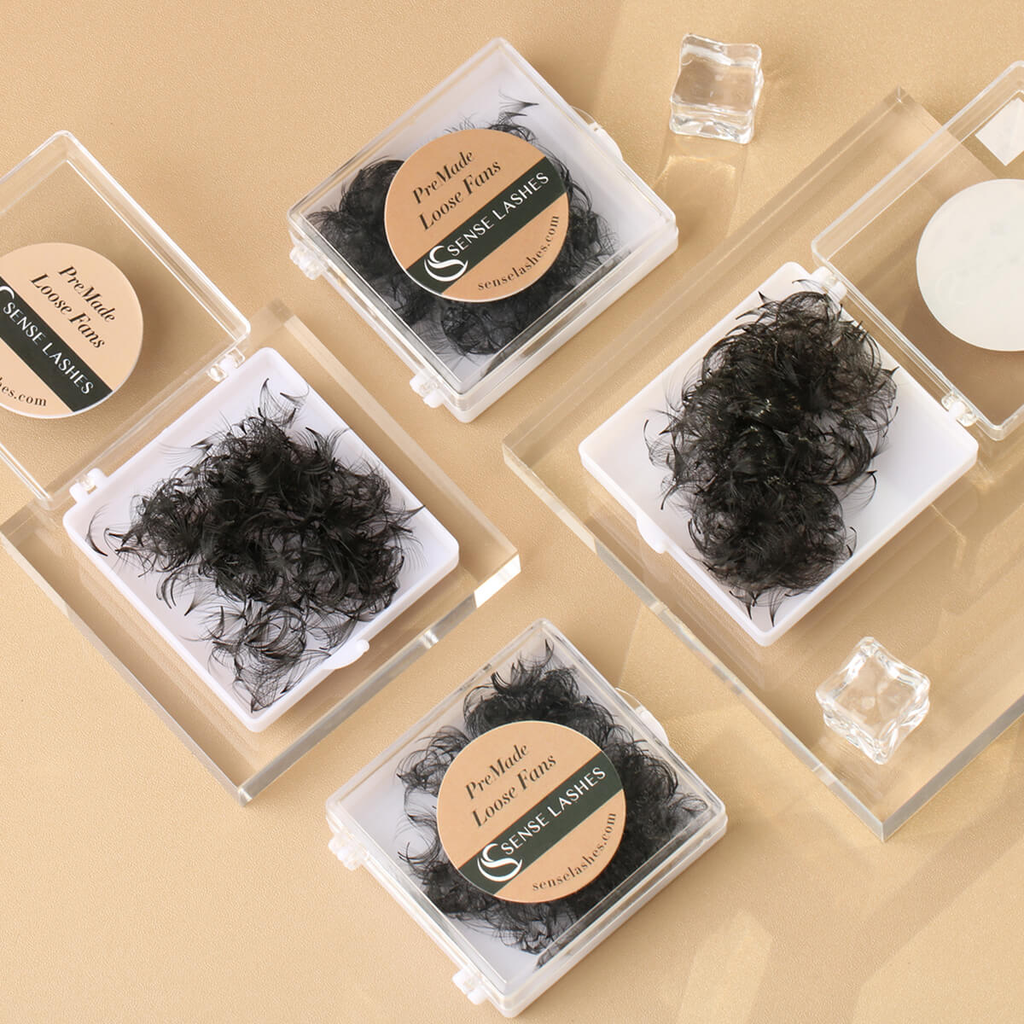
Cluster lashes are pre-made bundles of 3–8 lash strands glued together at the base. They're a quick, temporary option for adding volume—think events or weekend wear, not everyday use.
Key differences from extensions:
- Application: Glued directly to the skin along the lash line (not to individual lashes)
- Material: Made from PET plastic—cheaper but stiffer than the PBT fiber used in professional extensions
- Adhesive: Uses weak, water-soluble glue that's easy to remove but won't last long
- Wear time: 1–2 days max
How they compare to other options: Clusters offer more control than strip lashes—you can place them just where you want, like the outer corners. But they're still a DIY solution. They don't give you the customized fit, seamless look, or lasting wear that professional extensions do.
Cluster lashes are a step up from strips in flexibility, but they're nowhere close to professional extensions in quality, safety, or longevity.
Why Are Cluster Lashes Not the Same as Lash Extensions?
To clients, cluster lashes and lash extensions might look similar. But as a lash artist, you know the difference matters—a lot. The materials, methods, and results are worlds apart. Treating cluster lashes and lash extensions as the same can damage your clients' lashes and hurt your reputation. Here's what sets them apart:
| Factor | Cluster Lashes | Lash Extensions |
| Application | Glued directly onto the skin | Applied one-by-one to individual natural lashes |
| Adhesive Type | Water-based or latex (temporary) | Professional cyanoacrylate (long-lasting) |
| Removal | Warm water or makeup remover | Professional removal solution |
| Lash Base | Thick and flat—sits on skin | Tapered and lightweight—blends with natural lash |
| Material | PET plastic (stiffer, less natural) | PBT fiber (soft, flexible, heat-resistant) |
| Weight | Heavier—strains multiple lashes | Featherlight—no strain on natural lashes |
| Retention | 1–2 days | 2–4 weeks (with proper care) |
| Maintenance | Single use, no fills | Regular fills extend wear indefinitely |
| Safety Risk | Higher—can cause breakage, irritation, damage | Lower—safe when applied by trained professional |
| Best For | Special events, short-term wear | Everyday wear, long-term beauty routine |
| Lash Health Impact | Can damage with frequent use or improper removal | Supports natural lash health with proper application |
Cluster lashes and lash extensions aren't two versions of the same thing. They're entirely different services with different purposes, risks, and results.
Do Cluster Lashes Damage Natural Lashes?
Yes, cluster lashes can damage natural lashes, especially when applied or removed incorrectly. Unlike lash extensions that are isolated and bonded to individual lashes, clusters stick to the skin and often grip multiple lashes at once. This can cause tension, breakage, and long-term lash thinning.
Pulling Out Natural Lashes During Removal
Many people remove cluster lashes by hand or with basic makeup remover, which may loosen the adhesive but not release the lashes cleanly. Tugging or peeling them off can pull out multiple natural lashes at once. Since clusters often attach to a few lashes at the same time, the risk of lash loss is much higher than with professional extensions.
Improper Adhesion Causes Follicle Stress
Cluster lashes don’t bond to individual lashes—they sit on the skin and often press down on the natural lash line. This creates uneven tension across the follicles. When clusters shift, twist, or are applied too close to the roots, they can weaken the lash bed and disrupt healthy lash growth cycles.
Unsafe Tools and Glue Used at Home
DIY cluster lash kits often come with non-sterile tools and water-soluble glues. These glues aren’t formulated for long-term lash wear and can introduce bacteria if applied improperly. Without proper sanitation and technique, users risk irritation, infection, or allergic reactions.
What Happens with Repeated Use?
Using cluster lashes often—especially without proper breaks—can cause permanent lash thinning or bald spots along the lash line. Because clusters cover several lashes at once and weigh more than professional extensions, they place more pressure on fragile lash hairs. Over time, the lash line may appear patchy or struggle to grow new lashes.
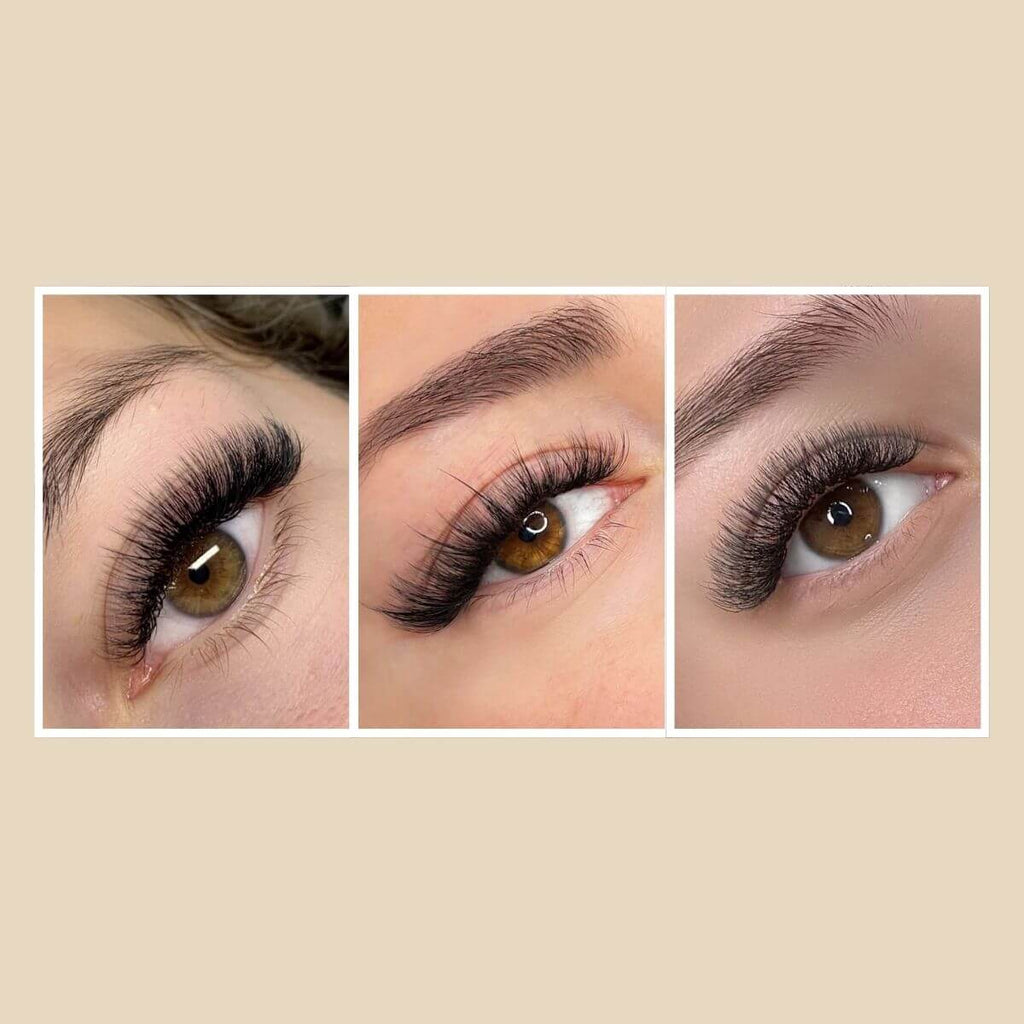
If a client insists on wearing cluster lashes regularly, try showing them a side-by-side comparison photo of long-term lash extension wear vs repeated cluster lash use. Healthy, full natural lashes with well-maintained extensions often contrast sharply with the sparse or damaged lash lines seen after heavy cluster lash use.
Why Do Clients Confuse the Two And How to Explain It Clearly?
Many clients get confused because of social media. Short videos often show lash transformations without explaining the method, and terms like “DIY extensions” or “salon look” make cluster lashes sound more professional than they are. Add in unclear product labels, and it’s easy to see why clients think clusters and extensions are the same.
As a lash artist, it’s your job to clear that up. Explain that extensions are applied lash by lash, last for weeks, and protect natural lashes—while clusters sit on the skin, last a day or two, and are only meant for short-term wear.
Tips for Explaining the Difference:
- Use visual guides in your studio or service menu to show the difference in materials, method, and wear time.
- Offer a quick consult for first-time or walk-in clients. A few minutes of info goes a long way.
- Keep it simple. Say something like: “Extensions attach to one lash and stay for weeks. Clusters go on the skin and come off fast—they’re great for events, not everyday use.”
Clear info builds trust—and helps your clients make better choices.
Should You Offer Cluster Lashes as a Lash Tech?
You can — but only if they make sense for your clients and your brand. Cluster lashes are great in some situations and totally wrong in others, so treat them as a niche add-on, not a main service.
When Cluster Lashes Can Make Sense
- Quick appointments: You can finish a set in about 20–30 minutes, which is handy for last-minute bookings or small gaps in your day.
- Short-term option for sensitive clients: If someone reacts to classic or volume sets, clusters can work as a one-off, special-event solution.
- Event-only clients: For weddings, parties, or photoshoots, clusters give a fuller look for a day or two.
- Retail opportunity: You can offer DIY cluster kits with clear instructions for safe use and removal.
When They Might Not Be Worth It
- They compete with higher-value services: Some clients may choose cheap, quick clusters instead of full sets and refills.
- Very short wear time: Most cluster sets only look good for 1–2 days, which can lead to disappointment if expectations aren’t set.
- Risk of damage: If clients sleep in them all week or rip them off, their natural lashes can suffer — and they may blame your work.
Before adding clusters, ask yourself: Do my clients actually want quick, temporary lashes? Does this fit my “premium” image? And can I spare the time in my schedule without losing bigger bookings?
Cluster lashes can be a useful add-on for the right clients, as long as you position them clearly as a short-term, non-replacement option for proper lash extensions.
If You Do Offer Cluster Lashes, Set the Right Expectations
If you decide to offer cluster lashes, be clear about what they are—and what they’re not. Cluster lashes are for short-term wear only, not for everyday use. Make sure your clients know they’re best for special events or weekend looks, not a replacement for professional lash extensions.
Make It Clear They’re Temporary
Tell clients upfront that express cluster lashes are meant to last 1–2 days. Set the expectation that they won’t hold up like lash extensions and aren’t designed for long wear or daily activities.
Always Talk About Safety
Explain how cluster lash glue is different and not meant for long-term wear. Go over how to remove them safely—no pulling or peeling. Remind clients that incorrect removal can damage their natural lashes.
Keep Services Separate
Create a separate section in your service menu for cluster lashes. Label it clearly as a temporary or express service, and avoid using the word “extensions” to prevent any confusion.
Use Smart Tools to Protect Clients (and Your Business)
- Have clients sign a waiver form for cluster services, especially if they plan to apply or remove them on their own.
- Give written aftercare instructions—printed cards or automated texts/emails work well.
- Track how often repeat clients get clusters. If they start coming in too often, recommend a break to protect their natural lashes.
Setting clear lash service expectations helps prevent damage, confusion, and frustration—while keeping your reputation and client trust strong.
Offering Cluster Lashes Without Confusing Clients
Cluster lashes are quick, affordable, and popular—but only when used the right way. They’re not a long-term solution, and they don’t replace proper extensions. If you keep the messaging clear and put lash safety first, they can fit nicely into your service list. Just make sure your clients see them for what they are: short-term lashes for short-term wear. That simple shift keeps your reputation strong and your clients happy.
Lash Artists' FAQ: Cluster Lashes vs Extensions
Q1: Are cluster lashes OK for daily wear?
No. Cluster lashes are for short-term wear only—usually 1 day, maybe 2. Wearing them every day can pull on the natural lashes and lead to breakage and thinning over time.
Q2: Can I use professional lash extension glue with cluster lashes?
You shouldn’t. Pro extension adhesive is made for individual extensions on isolated natural lashes, not for heavier clusters sitting on multiple lashes. Using it with clusters can cause irritation, poor isolation, and serious lash damage when they’re removed.
Q3: Are lash extensions safer than clusters?
Yes—when applied correctly. Lash extensions are isolated one by one and bonded with lash-safe adhesive, so each natural lash can grow and shed normally. This makes them a better choice for long-term wear than cluster lashes.
Q4: Can clients reuse cluster lashes?
No. Once clusters have been worn, they’re covered in glue and natural oils. Cleaning them properly is almost impossible, and reusing them increases the risk of infection, irritation, and poor retention.
Q5: What do I say to a client who loves clusters but wants “extension-level” results?
Be honest. Explain that cluster lashes are quick, event-only lashes, while lash extensions are customized, long-wear sets. Ask how often they want to wear lashes, how natural or glam they like, and guide them toward the option that best fits their lifestyle and lash health.
Leave a comment